
How Long Do Dental Crowns Last?
June 11, 2026
Dental Implants vs Bridges: Which Fits You?
June 15, 2026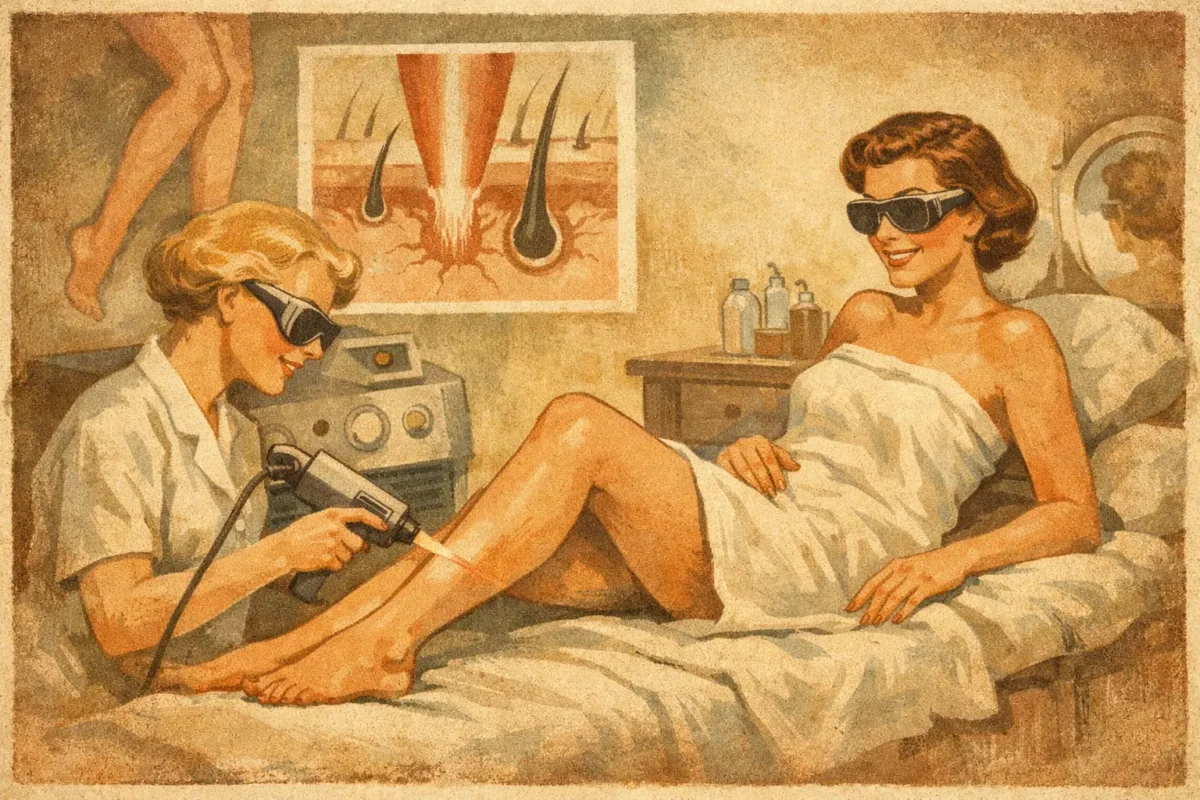
If shaving feels like a chore that never stays done for long, and waxing leaves your skin irritated before your week even starts, this laser hair removal guide is for you. Many people are not looking for perfection – they want a simpler routine, smoother skin, and a treatment plan that feels safe, clear, and worth the investment. That is exactly where good guidance matters.
Laser hair removal can be a very effective way to reduce unwanted hair, but results depend on more than the machine itself. Your skin tone, hair color, treatment area, schedule, and aftercare all play a part. When patients understand what the treatment can and cannot do, they tend to feel more comfortable and more confident from the first session onward.
What laser hair removal actually does
Laser hair removal uses concentrated light energy to target pigment in the hair follicle. The heat from that energy damages the follicle enough to slow future growth. This is why treatment works best on hair that contains enough pigment for the laser to identify clearly.
It is helpful to set expectations early. Laser hair removal is best understood as long-term hair reduction, not always total permanent hair removal. Many patients see a significant drop in growth, finer regrowth, and less frequent maintenance. Some areas respond quickly, while others need more patience.
That difference often comes down to the hair growth cycle. Not every hair is active at the same time, so the laser can only treat follicles effectively during the right stage of growth. That is why multiple sessions are needed, even when you notice a visible improvement after the first few appointments.
Who this laser hair removal guide is really for
This treatment can suit both women and men who want a lower-maintenance solution for unwanted hair on the face or body. Common treatment areas include the underarms, legs, arms, bikini line, chest, back, upper lip, and chin. It can be especially appealing for busy professionals and anyone tired of building shaving or waxing into their weekly routine.
It can also help people who struggle with ingrown hairs or irritation from traditional hair removal methods. For some patients, that skin comfort is just as important as the cosmetic result. Smoother regrowth and fewer bumps can make a noticeable difference in daily confidence.
Still, suitability is personal. A proper consultation matters because the best approach depends on your skin type, hair texture, medical history, and treatment goals. A provider should assess those details before recommending a plan.
What to expect before your first session
A good first appointment usually starts with questions, not lasers. Your provider should ask about your skin concerns, medications, sun exposure, previous hair removal methods, and any history of sensitivity. This step helps protect your skin and improve your treatment outcome.
In the days before treatment, you are usually advised to shave the area rather than wax, pluck, or thread. The reason is simple – the follicle needs to be present for the laser to target it. If the hair has been pulled out from the root, the treatment becomes less effective.
You should also avoid excessive sun exposure before your session. Tanned or recently sunburned skin may be more reactive, and that can affect timing or settings. Clean skin on the day of treatment is usually best, without heavy creams, deodorant, makeup, or self-tanner on the treatment area.
Does laser hair removal hurt?
This is one of the first questions most patients ask, and the honest answer is that it depends on your pain tolerance, the area being treated, and the type of device being used. Many people describe the sensation as a quick snap against the skin, similar to a rubber band. Some areas feel very manageable, while others are more sensitive.
The good news is that treatment is usually fast, and modern systems are designed with comfort in mind. Smaller areas such as the upper lip or underarms may take only a few minutes. Larger areas such as the legs or back take longer but are still very manageable for most patients.
Comfort also improves when the treatment is performed by trained professionals who adjust settings carefully rather than using a one-size-fits-all approach. Personalized treatment is not just a luxury – it is part of safe, effective care.
How many sessions will you need?
Most patients need a series of sessions spaced several weeks apart. The exact number varies, but six to eight sessions is a common starting range for many areas. Some patients need fewer, while others need more because of hormonal factors, dense growth, or the body area being treated.
Facial hair, for example, can sometimes require more maintenance than underarm or lower leg hair. Hormone-sensitive areas may continue to produce new growth over time, which means touch-up sessions can still be useful even after the main course is complete.
This is where realistic expectations help. A good treatment plan is not about promising overnight results. It is about creating steady improvement that fits your skin, your schedule, and your long-term goals.
What happens after treatment
Right after a session, the skin may look slightly pink or feel warm, similar to mild sun exposure. That usually settles quickly. Some patients notice that hair appears to keep growing after treatment, but what is often happening is shedding. The treated hairs gradually work their way out over the following days or weeks.
Aftercare is straightforward, but it matters. Gentle skin care, sun protection, and avoiding heat-heavy activities for a short period can help reduce irritation. Your provider may advise you to skip hot showers, saunas, intense workouts, or active skin products for a day or two depending on the area treated.
This period is not usually disruptive, which is part of the appeal for patients who want visible improvement without a long recovery. You can often return to your normal routine quickly, with just a few smart precautions.
When laser hair removal may not be the right choice
A balanced laser hair removal guide should also make room for limits. Not every hair responds equally well. Very light blond, gray, white, or red hair may be harder for some laser systems to target because there is less pigment to attract the energy.
Timing can also matter. If you have an active skin infection, significant irritation in the area, or recent sunburn, treatment may need to wait. Certain medications or medical conditions may call for extra caution as well. That is why consultation is never just a formality.
Pregnancy policies can vary by provider, and while some patients ask about continuing treatment during pregnancy, many clinics prefer to postpone elective laser services out of caution. Clear medical guidance is always the safest route.
Choosing the right provider matters as much as the treatment
Results are shaped by more than technology. The experience, training, and judgment of the team treating you matter just as much. A quality provider should explain the process clearly, review risks honestly, tailor settings to your skin and hair profile, and make space for your questions.
That level of care is especially important if you are treating visible areas such as the face or planning multiple sessions over time. You want a clinic that treats laser hair removal as part of a bigger picture of skin health, comfort, and confidence – not just a quick appointment on a busy schedule.
At Zyva Clinics, that patient-first mindset is central to care. For many patients, being able to access aesthetic treatments in a professional clinical setting adds peace of mind. It makes the experience feel less transactional and more personal, which is often exactly what first-timers need.
Is it worth it?
For many people, yes – especially when they are tired of constant upkeep. The value is not only in hair reduction. It is also in saving time, cutting down on skin irritation from shaving or waxing, and feeling more comfortable in your skin day to day.
That said, worth is personal. If you want a one-and-done treatment, laser may feel frustrating because it requires consistency. If you are looking for a longer-term plan with visible progress and less maintenance over time, it often feels like a smart investment.
The best place to start is not with a promise of perfect skin. It is with a conversation about what you want, what your skin needs, and what kind of result will genuinely make your routine easier. When treatment is personalized and expectations are clear, smoother skin tends to follow naturally.