
How to Maintain Dental Implants Daily
May 28, 2026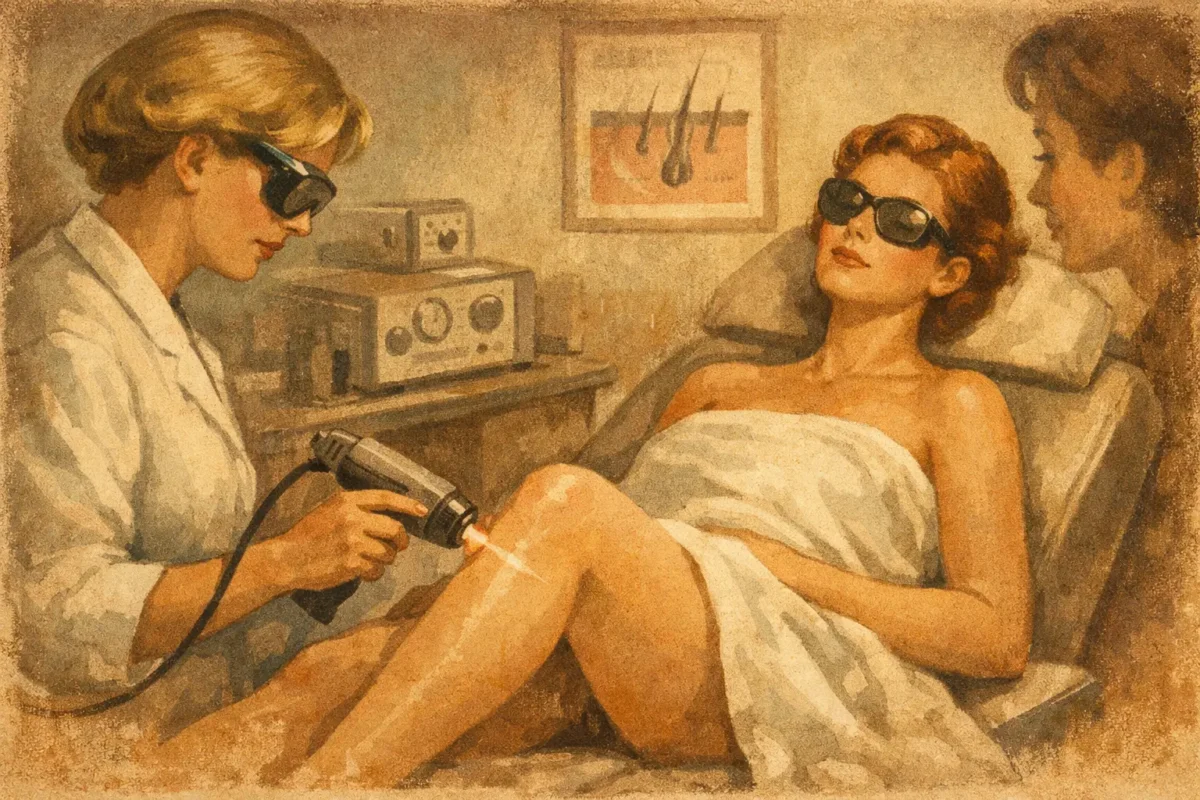
A lot of people ask the same question before booking their first session: is laser hair removal safe? It is a fair question, especially if you are treating visible areas like the face, underarms, bikini line, or legs and want smooth skin without risking burns, irritation, or uneven results. The short answer is yes, laser hair removal is generally safe when it is done by trained professionals, with the right device, the right settings, and a proper consultation first.
That last part matters more than many people realize. Laser hair removal is not a one-size-fits-all treatment. Your skin tone, hair color, medical history, current medications, and even recent sun exposure can affect both safety and results. A good clinic does not rush past those details. It uses them to build a treatment plan that protects your skin while giving you the best chance of long-term hair reduction.
Is laser hair removal safe for every skin type?
Laser hair removal can be safe for many skin types, but it is not identical for everyone. The treatment works by targeting pigment in the hair follicle. That means the laser needs to distinguish between the pigment in the hair and the pigment in the surrounding skin. In lighter skin with darker hair, that contrast is easier. In deeper skin tones, treatment can still be very effective, but the device choice and settings become even more important.
This is where expert assessment makes a real difference. Older or poorly matched laser systems may increase the chance of side effects in darker skin tones, including hyperpigmentation or irritation. Modern technology, used by experienced providers, can make treatment much safer and more precise across a wider range of skin tones.
Hair color also affects suitability. Dark hair usually responds best because it contains more pigment for the laser to target. Very light blonde, gray, white, or red hair can be harder to treat effectively. That does not always make treatment unsafe, but it may make it less successful. Safety and effectiveness are related, but they are not exactly the same thing.
How laser hair removal works
Laser hair removal uses concentrated light energy to heat the hair follicle and reduce its ability to regrow hair. The goal is to damage the follicle enough to slow future growth without damaging the surrounding skin.
Because hair grows in cycles, one treatment is not enough. Only hairs in the active growth phase respond well during a session, which is why most patients need a series of treatments spaced out over time. This is also part of the safety conversation. Trying to rush the process with overly aggressive settings is not the answer. A careful schedule and medically appropriate approach tend to give better outcomes with less irritation.
What side effects are normal?
When people worry about whether laser hair removal is safe, they are often thinking about side effects. Mild side effects are common and usually temporary. You may notice redness, slight swelling around the follicles, or a sensation similar to a light sunburn for a few hours after treatment. Some areas, especially sensitive zones, can feel warm or tender for a short time.
These effects are generally expected, not signs that something has gone wrong. Most settle quickly with proper aftercare. Cooling the skin, avoiding heat, and following provider instructions can help.
What should raise more concern is blistering, prolonged pain, crusting, or noticeable pigment changes that do not improve. Those reactions are less common and often linked to incorrect settings, poor technique, recent tanning, or inadequate pre-treatment screening. This is why the treatment environment matters so much. Safe laser hair removal is not only about the machine. It is about the judgment behind it.
Who should be more cautious?
Laser hair removal is safe for many healthy adults, but there are situations where extra caution is needed or treatment may need to be delayed. If you are pregnant, have an active skin infection, a sunburn, a history of light-triggered seizures, or a condition that affects healing, your provider may advise waiting or exploring alternatives.
Certain medications can also increase sensitivity to light. Some acne medications, antibiotics, and other prescriptions may make your skin more reactive during laser treatment. This is one reason a full consultation should include a detailed medical review. It is better to postpone than to push forward under the wrong conditions.
People with hormonal conditions such as PCOS may still be good candidates, but they should understand that maintenance sessions are often needed. In those cases, the question is not just is laser hair removal safe, but also what kind of long-term plan will give realistic, satisfying results.
The biggest safety factors to look for
If you want laser hair removal to be safe, effective, and worth your time, the clinic you choose matters. A proper consultation should come before the first treatment, not after a patch of skin has already been exposed to the laser.
A safe treatment process usually includes a review of your medical history, an assessment of your skin and hair type, clear pre- and post-care instructions, and a test patch when appropriate. You should also feel comfortable asking what type of laser is being used and why it suits your skin.
Good providers are transparent. They do not promise instant perfection or tell every patient they are an ideal candidate. Instead, they explain what is realistic, what the risks are, and how they will reduce those risks.
Pre-treatment habits that affect safety
What you do before your appointment can influence how your skin responds. Sun exposure is one of the biggest issues. Tanned skin has more pigment, which can make laser settings trickier and increase the risk of irritation or discoloration. That is why most clinics recommend avoiding direct sun and self-tanners before treatment.
You are also usually advised to shave the area beforehand, but not wax, tweeze, or thread. The follicle needs to be present under the skin for the laser to target it. Removing the hair from the root can make the session less effective.
Skipping harsh exfoliants, strong acids, or retinoids near the treatment area may also be recommended, depending on your skin and the area being treated. These details can sound small, but they are part of keeping treatment safe and comfortable.
What aftercare really does
Aftercare is not just an extra handout. It helps protect the skin while it settles. After laser hair removal, the treated area is more sensitive to heat, friction, and UV exposure. Hot showers, saunas, intense workouts, and direct sun may need to be avoided briefly.
Gentle skin care is usually best for the first day or two. That means mild cleansing, light moisturizing, and avoiding anything abrasive. If your provider recommends a soothing cream or cooling gel, use it as directed.
The goal is simple: calm the skin, reduce irritation, and avoid anything that could trigger inflammation or pigmentation issues. Patients who follow aftercare advice closely often find recovery easier and more predictable.
Is at-home laser hair removal safe?
This is where the answer becomes more mixed. At-home devices can be safe for some users, but they are generally less powerful than in-clinic systems and rely heavily on the user following instructions exactly. That lower strength can reduce risk, but it can also reduce results.
The bigger issue is that home devices cannot replace professional assessment. They cannot evaluate suspicious skin lesions, medication interactions, hormonal hair growth patterns, or whether your skin tone and hair type are a good match for the device. If you use one improperly, especially on the wrong setting or the wrong area, you can still irritate or injure the skin.
For patients who want the highest level of reassurance, especially on the face or intimate areas, professional treatment tends to be the safer route.
Why the right clinic changes the answer
When people ask is laser hair removal safe, the real answer is often this: it is safe in the right hands. Skilled providers know when to treat, when to adjust, and when to say not yet. They understand that comfort, visible results, and skin protection belong together.
At a clinic that takes consultation seriously, laser hair removal is part of a personalized care plan, not a rushed beauty service. That means your skin is evaluated properly, your concerns are heard, and your treatment is adjusted over time as your skin responds. At Zyva Clinics, that patient-first approach is central to how care is delivered.
If you are considering laser hair removal, confidence should come from facts, not guesswork. Ask questions, choose experienced professionals, and give your skin the level of care it deserves. Safe treatment starts with being informed, and it gets even better when you feel genuinely looked after.