
Are Clear Aligners Worth It for Adults?
June 9, 2026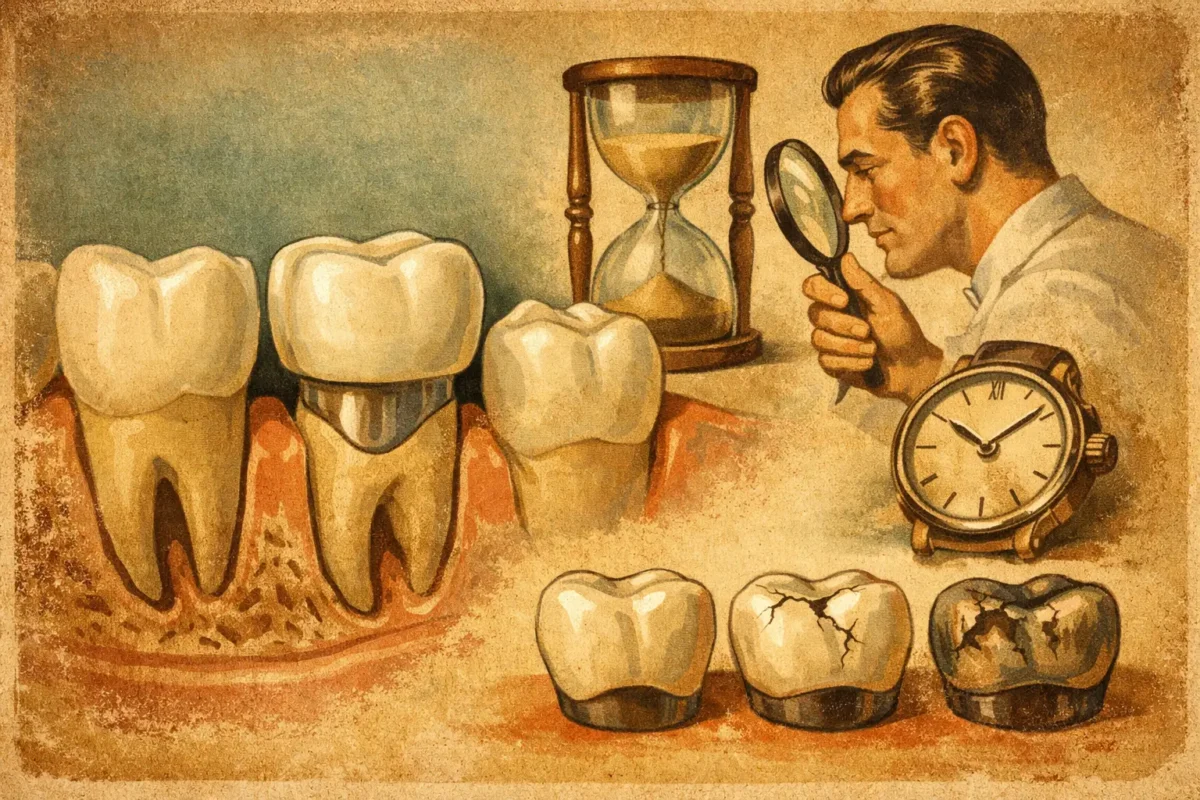
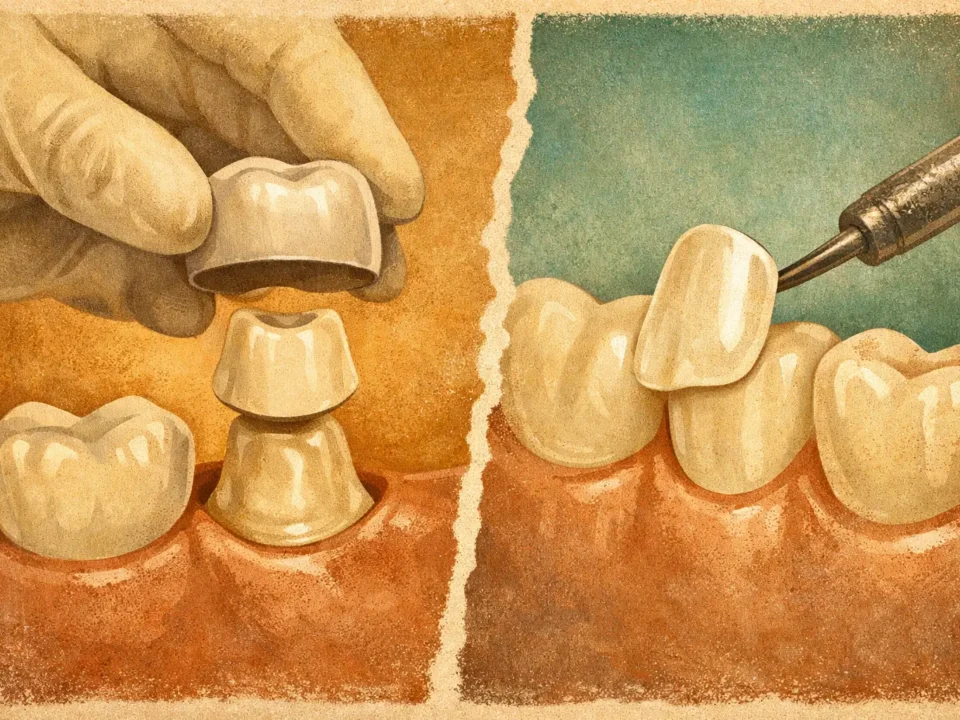
A dental crown can make a damaged tooth feel normal again – comfortable to bite on, natural to look at, and strong enough to support your smile. One of the first questions patients ask is how long do dental crowns last, and the honest answer is that most crowns last anywhere from 5 to 15 years, with many lasting longer when they are well made and well cared for.
That range is wide for a reason. Crowns do not come with a fixed expiration date. Their lifespan depends on the material, where the crown sits in your mouth, how you bite, and how consistently you protect your teeth and gums over time. If you are investing in your smile, it helps to know what affects that timeline and what you can do to get the most from your treatment.
How long do dental crowns last on average?
For many adults, a dental crown lasts around 10 to 15 years. Some need replacement earlier, especially if the tooth underneath has new decay, the crown becomes loose, or a person grinds their teeth at night. Others keep the same crown for 20 years or more with excellent home care and regular dental visits.
The material matters, but it is not the only factor. A beautifully placed crown made from a strong material can still fail sooner if it is exposed to heavy clenching, poor brushing habits, or repeated hard chewing. On the other hand, a crown in a lower-pressure area of the mouth may last much longer than expected.
This is why dentists usually talk about longevity as a range rather than a promise. Crowns are durable, but they still live in a demanding environment. Every day they handle chewing forces, temperature changes, and normal wear.
What affects how long dental crowns last?
The biggest factor is often where the crown is placed. Back teeth do most of the heavy chewing, so crowns on molars tend to experience more pressure than crowns on front teeth. If you have a habit of clenching during stress or grinding while sleeping, that extra force can shorten the life of even a high-quality crown.
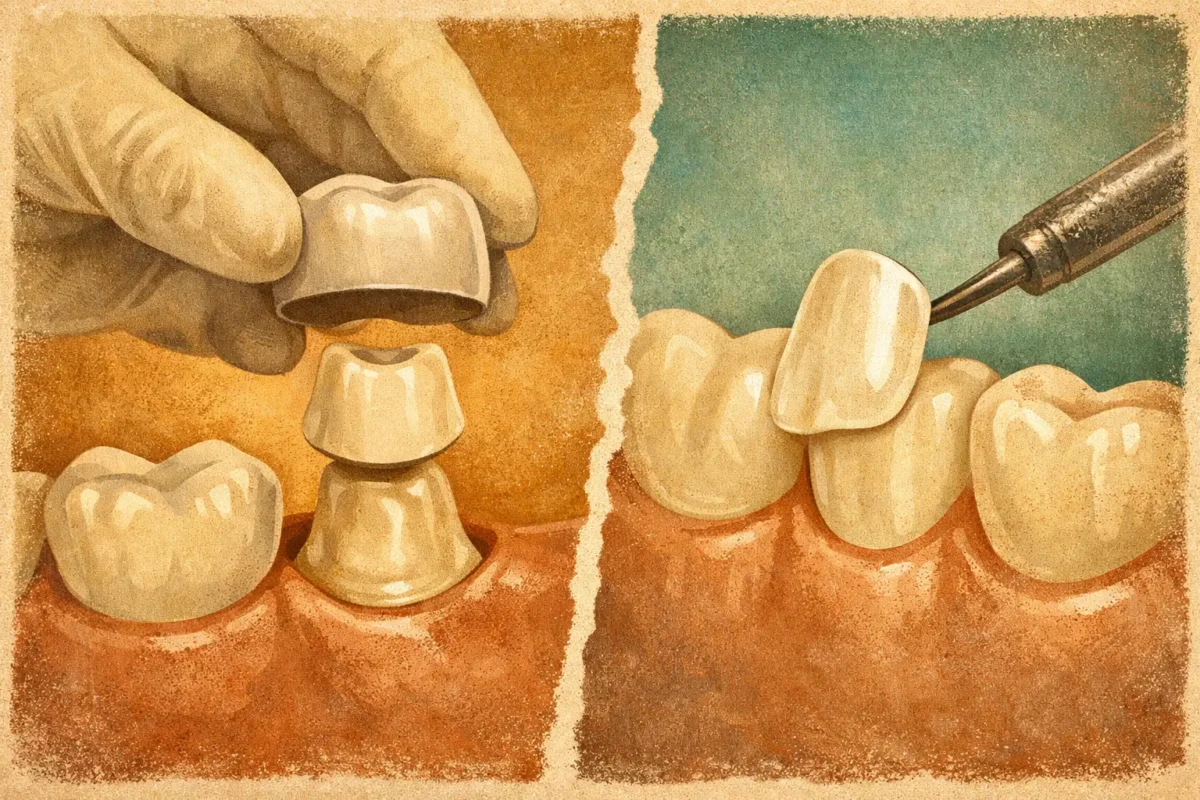
Material choice also plays a major role. Porcelain and ceramic crowns are popular because they look natural, especially on visible teeth. Zirconia is known for strength and durability, which makes it a common option for areas that need to handle more pressure. Porcelain-fused-to-metal crowns can offer a balance of appearance and strength, though the best choice depends on your bite, cosmetic goals, and the tooth being treated.
The health of the tooth underneath the crown matters just as much as the crown itself. A crown covers and protects the visible part of the tooth, but it does not make the tooth immune to decay. If plaque builds up around the edges near the gumline, cavities can still form where the crown meets the natural tooth.
Fit is another detail that should never be overlooked. A crown that fits precisely helps protect the tooth, supports a balanced bite, and reduces the risk of food trapping or irritation. If the bite is off, the crown may take more force than it should, which can lead to discomfort, wear, or damage over time.
Crown materials and expected lifespan
Not every crown is designed for the same job. All-ceramic and porcelain crowns are often chosen for front teeth because they blend beautifully with natural enamel. With good care, they can last well over a decade, but they may be more prone to chipping than some stronger materials in high-pressure areas.
Zirconia crowns are widely valued for their durability. They are a strong option for patients who want both function and a natural appearance, especially on back teeth. In many cases, zirconia crowns hold up very well over time, particularly when the bite is managed properly.
Metal-based crowns have a long history of durability. They may not be the first choice for a visible tooth, but they often perform extremely well in the back of the mouth where appearance is less of a concern. Porcelain-fused-to-metal crowns remain a practical middle ground for some patients, although the porcelain layer can chip in certain cases.
There is no single best material for everyone. The right crown is the one that matches your tooth, your smile goals, and the way your mouth functions day to day.
Signs a dental crown may need replacement
A crown does not always break dramatically when something is wrong. Sometimes the signs are subtle at first. You may notice sensitivity when biting, discomfort around the gumline, or a feeling that the crown no longer fits quite right.
Visible wear, cracks, chips, or a loose feeling should always be checked. In some cases, the crown itself is still intact, but the cement holding it in place has weakened. In others, there may be decay under the crown that needs attention before the tooth is further compromised.
Changes in the surrounding gum tissue can also be a clue. If the area around a crown becomes inflamed, traps food easily, or starts to recede, your dentist may want to evaluate the crown’s fit and the health of the underlying tooth.
The key point is this: do not wait for severe pain. Early evaluation can often prevent a small issue from turning into a more complex treatment.
How to make your crown last longer
Good daily care makes a real difference. Brush twice a day with a fluoride toothpaste, floss carefully around the crown, and keep plaque from building up near the margin where the crown meets the tooth. That area is especially important because it is one of the most common places for future decay to start.
Try not to use crowned teeth as tools. Biting nails, opening packaging, and chewing on ice can put unnecessary stress on the restoration. Even if the crown feels strong, repeated habits like these can cause cracks or wear over time.
If you grind your teeth at night, a custom night guard can help protect both your crown and your natural teeth. This is one of the most valuable ways to extend the life of dental work, especially for patients who clench without realizing it.
Regular checkups matter just as much as home care. Your dentist can monitor the crown, assess the bite, clean around hard-to-reach areas, and catch early signs of wear before they become expensive problems. At a practice like Zyva Clinics, that kind of ongoing care is part of helping patients protect both oral health and smile confidence for the long term.
Do some crowns fail early?
Yes, and early failure does not always mean the crown was poor quality. Sometimes the issue is trauma, such as biting something unexpectedly hard or taking a hit to the mouth. Sometimes it is decay around the edge of the crown. Sometimes the problem is a heavy bite that slowly places too much pressure on one area.
There are also cases where a crown needs replacement because the tooth itself changes. Gum recession, root problems, or fractures in the natural tooth can all affect the future of the restoration. That is why a crown should be seen as part of an overall dental care plan, not just a one-time fix.
This can feel frustrating, especially if you expected the crown to last forever. But dental treatment works best when expectations are realistic. A crown is a strong, reliable restoration, yet it still depends on the health of the surrounding structures.
Is a dental crown worth it if it may need replacing later?
For many patients, absolutely. A crown can restore strength, protect a weakened tooth, improve appearance, and help you chew comfortably again. It often prevents a more serious problem, such as a cracked tooth worsening or a heavily damaged tooth becoming impossible to save.
Yes, there may be maintenance over time. But that is true for many aspects of health and appearance. The goal is not perfection forever. The goal is to preserve your teeth, support your comfort, and keep your smile functioning and looking its best for as long as possible.
If you are considering a crown, the most useful question may not be only how long it will last. It may be how well it is planned, how well it fits your needs, and how confidently you can maintain it. With the right material, careful placement, and consistent aftercare, a dental crown can serve you very well for many years – and that kind of lasting support can make a real difference every time you smile.