
Teeth Whitening for Sensitive Teeth
May 20, 2026
7 Best Anti Aging Skin Treatments
May 24, 2026
Bleeding when you brush is easy to dismiss. Many people assume it means they brushed too hard, skipped flossing for a few days, or just have sensitive gums. In reality, it is often one of the first signs that your gums need more attention. If you are wondering how to prevent gum disease, the answer starts earlier than most people think – and it has everything to do with small daily habits.
Gum disease does not usually begin with dramatic pain. It tends to build quietly through plaque, inflammation, and neglected areas around the gumline. That is why prevention matters so much. When your gums stay healthy, your smile looks cleaner, your breath feels fresher, and your teeth have the support they need for the long term.
Why gum health affects more than your smile
Healthy gums are the foundation of a confident smile. They frame your teeth, support them, and protect the deeper structures underneath. When gums are irritated or infected, the problem is not only cosmetic. Swelling, tenderness, bleeding, and bad breath can affect your comfort every day, and untreated disease can eventually lead to gum recession, loose teeth, and tooth loss.
For many adults, this is also a confidence issue. If your gums look red or puffy, or your breath never feels fresh, you may become more self-conscious in conversations, meetings, or close social settings. Preventive care is not just about avoiding future treatment. It is also about protecting the healthy, polished appearance that helps you feel comfortable smiling.
How to prevent gum disease at home
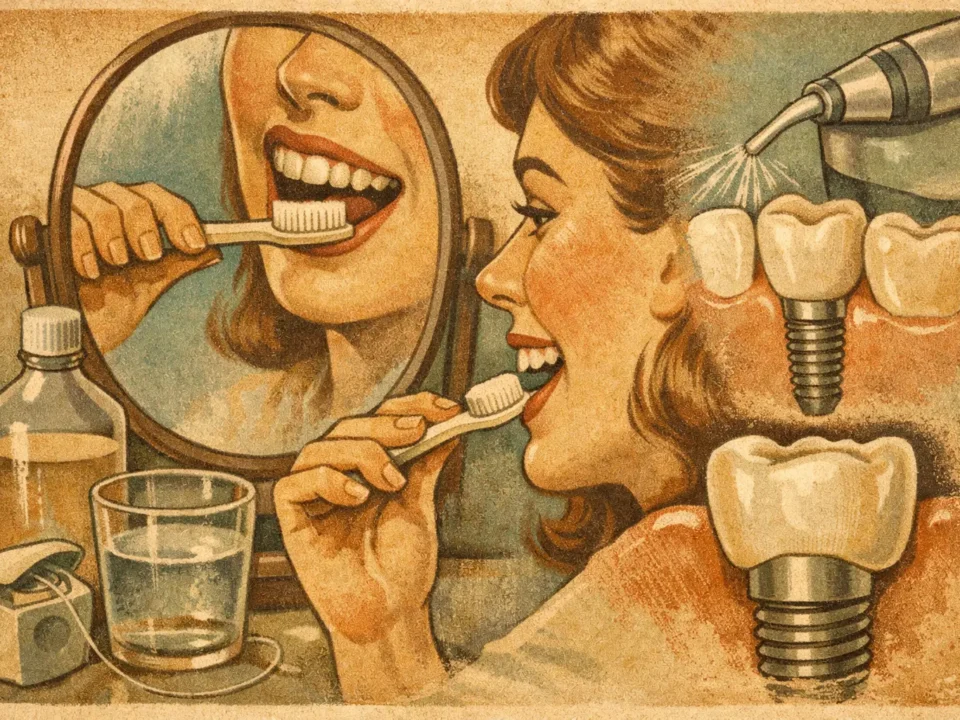
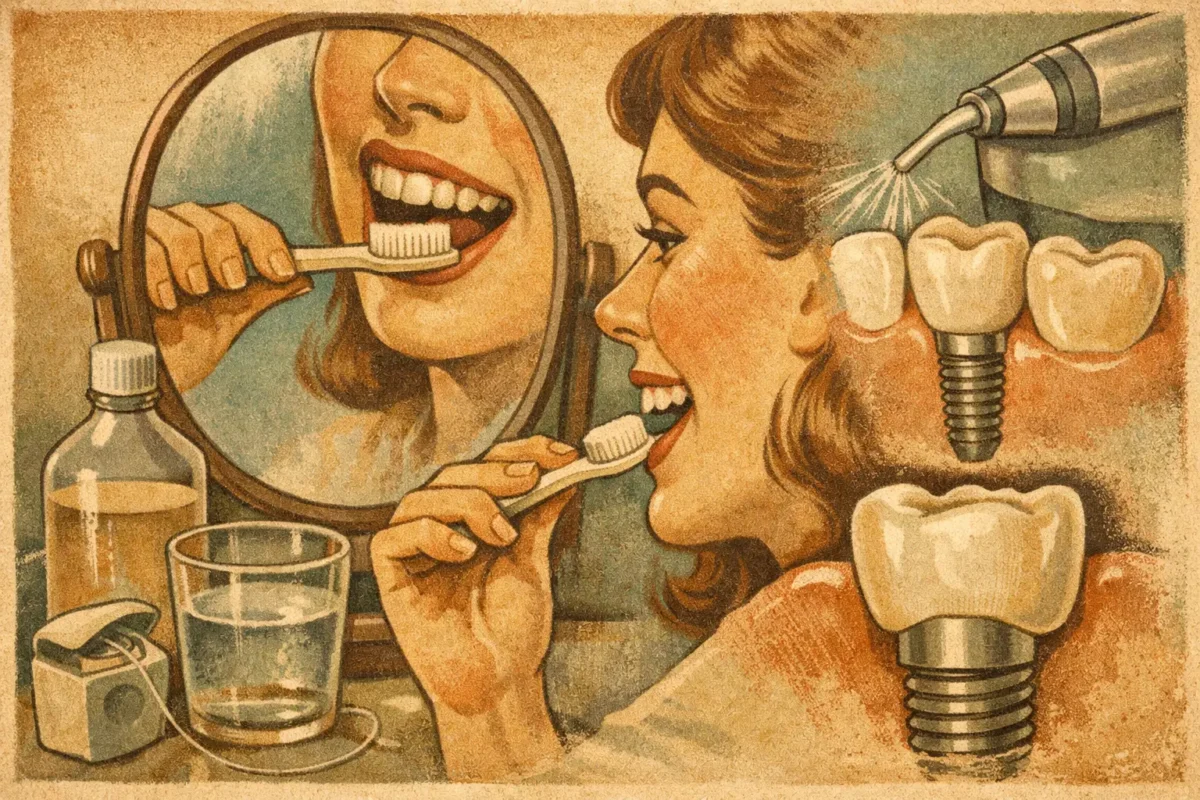
The basics still matter, but technique matters just as much as frequency. Brushing twice a day is essential, but quick, aggressive brushing is not the goal. A soft-bristled toothbrush and gentle circular motions along the gumline do a better job than hard scrubbing. If you brush too forcefully, you can irritate the gums and wear down enamel over time.
Flossing is where many people struggle. Yet this is one of the most effective ways to remove plaque and food debris from the tight spaces your toothbrush cannot reach. If traditional floss feels awkward, floss picks, interdental brushes, or a water flosser may be easier to stick with. The best option is usually the one you will use consistently.
Mouthwash can help, but it should support your routine rather than replace it. An antibacterial or anti-gingivitis rinse may reduce bacteria and freshen breath, especially if you are prone to plaque buildup. Still, mouthwash cannot clean between teeth or remove hardened tartar. It works best as part of a complete routine, not as a shortcut.
Your toothpaste matters too. A fluoride toothpaste helps protect teeth, and some formulas are designed specifically for gum care. If your gums bleed easily or feel tender, using a gum-focused toothpaste may help reduce irritation, though results depend on the underlying cause.
The daily habits that quietly raise your risk
Some people brush and floss regularly but still deal with gum problems. That is because prevention is not only about what you do at the sink. Smoking is a major risk factor because it affects blood flow to the gums and makes it harder for tissues to heal. It can also mask early signs such as bleeding, which means disease may progress without obvious warning.
Diet also plays a role. Frequent sugary snacks and drinks feed the bacteria that contribute to plaque buildup. A dry mouth can make things worse because saliva helps protect your teeth and gums. If you sip coffee all day, breathe through your mouth at night, or take medications that reduce saliva, your gums may need extra attention.
Stress can contribute as well. It may not directly cause gum disease, but it often changes routines. When people are tired or overwhelmed, flossing tends to slip, appointments get delayed, and inflammation in the body can become harder to manage. Prevention works best when it is realistic enough to maintain even during busy weeks.
Early signs you should not ignore
One of the most common mistakes is waiting for pain. Gum disease often starts as gingivitis, a mild and reversible stage that may cause bleeding, redness, swelling, or bad breath. At this point, professional cleaning and better home care can often restore gum health.
If it progresses into periodontitis, the stakes change. You may notice gum recession, deeper pockets around the teeth, increased sensitivity, or teeth that start to feel less stable. Treatment can still help, but it becomes more involved. That is why early action matters.
If your gums bleed often, even lightly, it is worth getting checked. Occasional irritation can happen, especially if you have not flossed in a while, but regular bleeding is not something to normalize.
Professional cleanings are part of prevention
If you want a real answer to how to prevent gum disease, it includes professional dental visits. Even excellent brushing at home cannot remove tartar once plaque hardens. That buildup often collects along and below the gumline, where it continues to irritate the tissues.
Routine cleanings remove plaque and tartar in areas that are difficult to manage on your own. They also give your dental team the chance to catch early changes before they turn into bigger issues. Sometimes patients feel their teeth are fine because they are not in pain, but a preventive visit reveals inflammation that has been developing quietly.
How often you need cleanings depends on your risk level. For some adults, twice a year is enough. For others, especially smokers, patients with diabetes, or anyone with a history of gum disease, more frequent visits may be recommended. This is one of those situations where it depends on your mouth, not just a general rule.
If you have braces, aligners, crowns, or implants
Certain dental treatments can change how you clean your teeth and gums. Braces create more places for plaque to collect, so brushing and flossing need extra attention. Clear aligners are removable, which helps, but only if you clean your teeth before putting them back in. Otherwise, you trap bacteria and food particles against the teeth and gums.
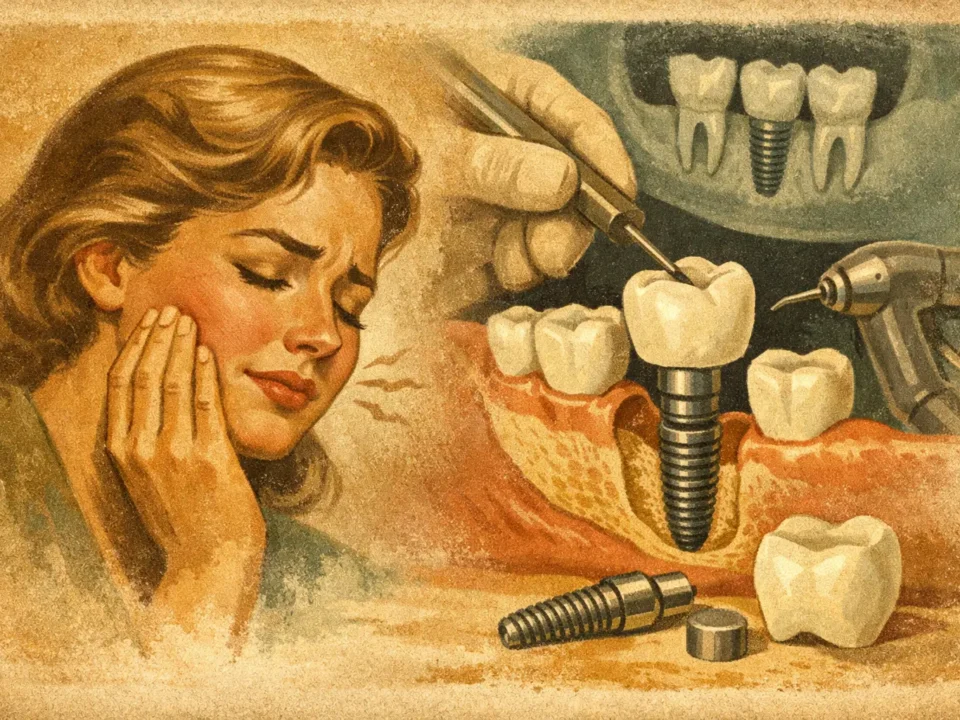
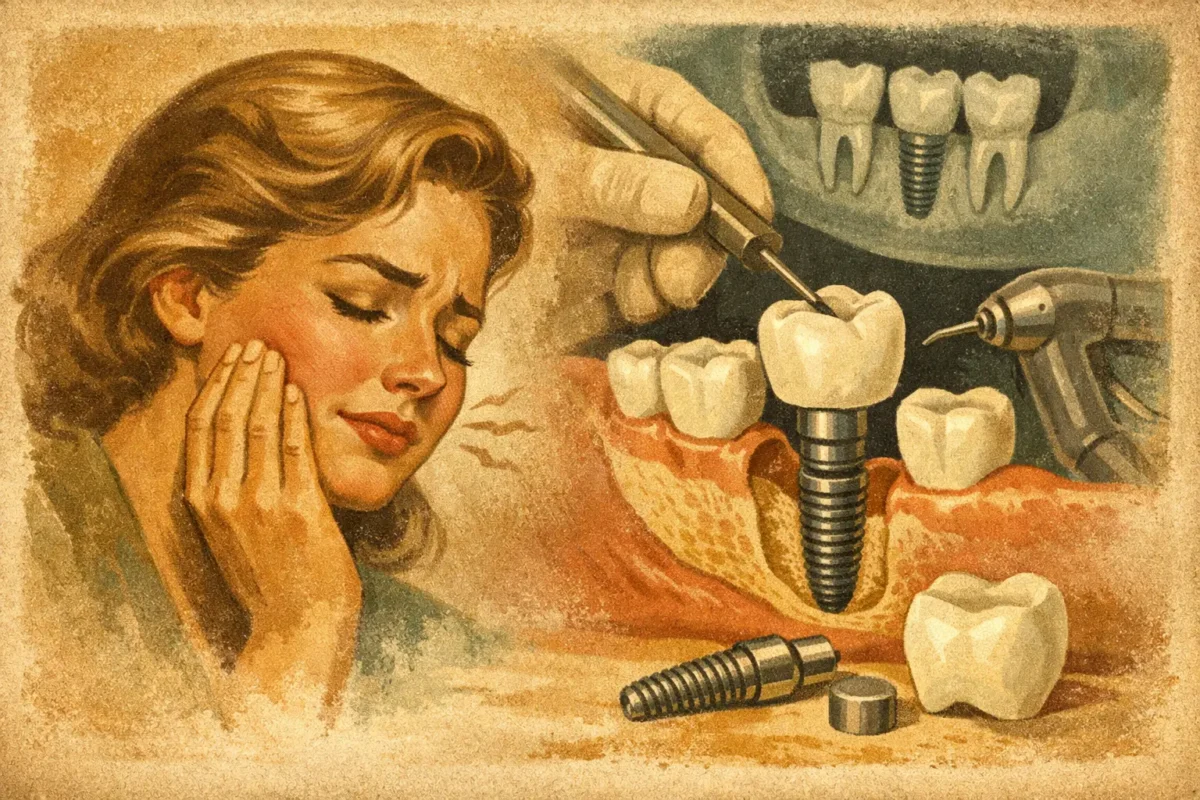
Crowns and implants also require excellent gum care. They can look beautiful, but the surrounding tissues still need to stay healthy. Bleeding around an implant or crown should never be ignored. Restorative and cosmetic dental work lasts better when the gums underneath are stable and well maintained.
This is where personalized guidance makes a difference. At Zyva Clinics, preventive dental care is part of a broader confidence-focused approach, because a healthy smile looks better, feels better, and supports every other step you may take for your appearance and well-being.
Simple ways to make prevention easier
The best routine is one you can keep. If nighttime flossing feels impossible, move it to an earlier time. If you forget to change your toothbrush, set a reminder every three months. If your gums are sensitive, ask your dentist whether a softer brush, different flossing tool, or medicated rinse would help.
It also helps to connect the habit to a visible benefit. Gum care is not only about avoiding disease years from now. It helps reduce bad breath, keeps your smile looking cleaner, and supports the kind of polished appearance many adults want in both personal and professional settings.
For families, consistency matters even more. Children often learn oral care by watching adults, and shared preventive habits can make dental visits less stressful for everyone. A household that treats routine care as normal tends to catch problems earlier.
When to schedule an appointment
If your gums bleed, feel swollen, look darker red than usual, or have started pulling away from your teeth, do not wait for it to get worse. The same goes for persistent bad breath or tenderness that keeps coming back. These signs do not always mean advanced disease, but they do mean your gums need attention.
A professional exam can tell you whether the issue is mild irritation, early gingivitis, or something more established. That clarity matters. It allows you to stop guessing, start the right care plan, and protect your smile before a simple problem becomes a more expensive one.
Healthy gums rarely happen by accident. They are the result of steady care, smart habits, and getting support early when something feels off. A little attention now can protect not just your teeth, but the comfort and confidence that come with a smile you feel good sharing.