
7 Best Anti Aging Skin Treatments
May 24, 2026
How to Maintain Dental Implants Daily
May 28, 2026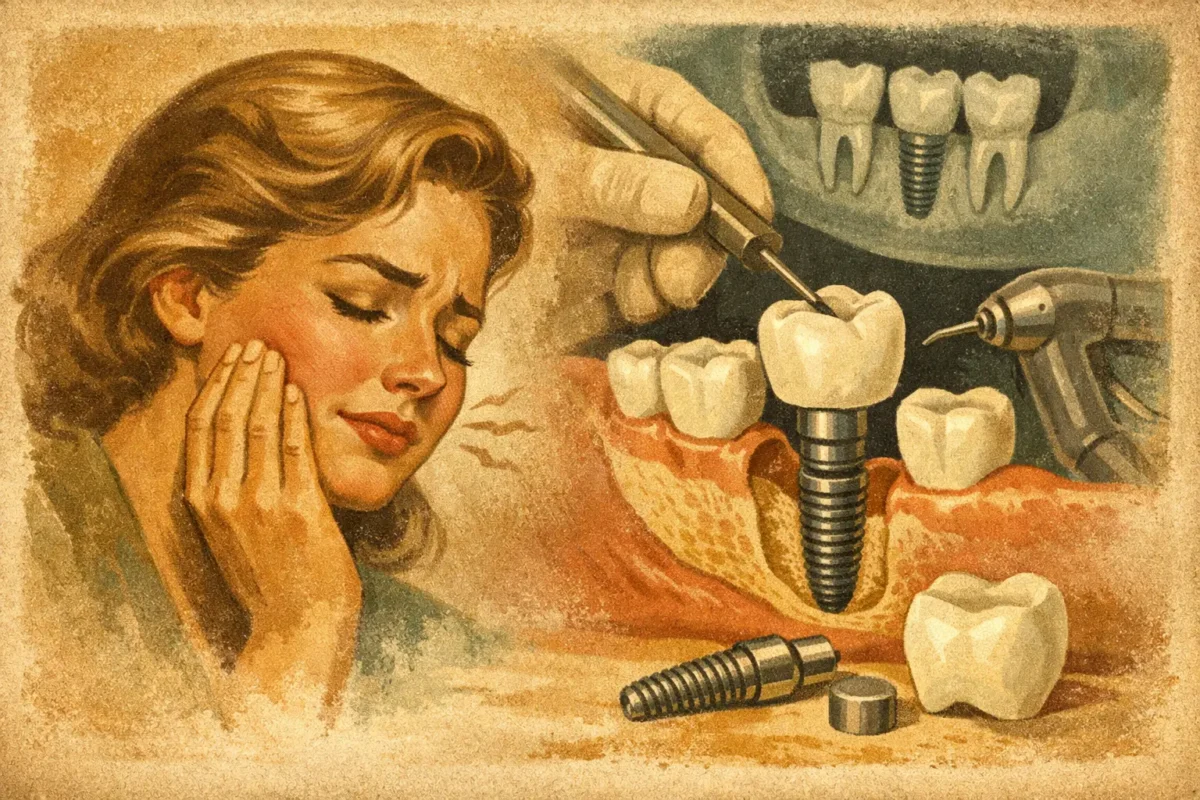
Most people do not ask about dental implants because they are curious about titanium posts or healing timelines. They ask because they are worried. Are dental implants painful is usually another way of saying, Will this hurt more than I can handle? The reassuring answer is that most patients feel far less pain than they expected, especially during the procedure itself.
That said, comfort is not one-size-fits-all. Your experience depends on your pain tolerance, the condition of your gums and bone, whether an extraction is involved, and how carefully the treatment is planned. Good implant care should feel guided, well managed, and never rushed.
Are dental implants painful during the procedure?
The implant procedure is typically not painful while it is happening because the area is numbed with local anesthesia. You may feel pressure, movement, or vibration, but you should not feel sharp pain. For many patients, that is the biggest surprise. The anticipation is often worse than the actual appointment.
If you have ever had a filling, crown prep, or tooth extraction, the sensation is usually similar in one key way: numbness does the heavy lifting. The difference is that implant treatment may take longer and involve more pressure. That can sound unsettling, but pressure is not the same as pain.
For patients who feel especially nervous, anxiety can make every sensation seem stronger. That is why a calm clinical setting, clear communication, and a personalized treatment plan matter so much. When you know what is happening and why, the procedure tends to feel much more manageable.
What hurts more – the implant or the recovery?
For most people, recovery is where discomfort shows up, not the placement itself. Once the numbness fades, it is normal to feel soreness, mild swelling, and tenderness around the treated area. This is part of your body’s healing response.
In many cases, patients describe it as less intense than they imagined and sometimes easier than a tooth extraction. That may sound surprising, but a failing or infected tooth can create more pain than a clean, carefully planned implant procedure. If the implant is placed into healthy bone and the surrounding tissue is handled gently, healing can be relatively smooth.
Still, there are trade-offs. A single straightforward implant usually feels easier than a case that includes bone grafting, sinus work, or multiple implants. If extra procedures are needed, you may have more swelling or a longer recovery window. That does not mean something is wrong. It simply means the treatment is more involved.
What you may feel in the first few days
Most discomfort peaks within the first 48 to 72 hours. You may notice soreness when chewing, mild bruising in the gums or cheek, and a feeling of tightness near the implant site. Some patients also have jaw fatigue from keeping their mouth open during treatment.
This stage is usually temporary and manageable with the aftercare instructions your dentist provides. Rest, soft foods, and avoiding pressure on the area make a real difference. Recovery tends to be easier when patients follow instructions closely instead of testing the area too soon.
When pain is not normal
Some tenderness is expected. Severe throbbing pain, worsening swelling after several days, fever, pus, or a bad taste in the mouth are not signs to ignore. Those symptoms can point to infection, bite pressure, or another issue that needs prompt attention.
This is one reason expert planning matters as much as the implant itself. Comfort is not only about the day of surgery. It is also about follow-up care, bite checks, and making sure healing stays on track.
Why some people feel more discomfort than others
Two patients can have the same procedure and describe it very differently. One says it was easy. The other says it was stressful. That does not mean one of them is exaggerating. Pain is personal, and several factors shape it.
Existing inflammation is a big one. If the tooth being replaced had infection, gum irritation, or bone loss, the area may already be sensitive before treatment begins. The complexity of the case also matters. Replacing one front tooth is different from rebuilding support in the back of the mouth where chewing pressure is stronger.
General health plays a role too. Smoking, uncontrolled diabetes, poor sleep, and high stress can all affect healing. Even clenching or grinding your teeth can increase soreness afterward because the implant area is exposed to more pressure than it should be.
That is why a personalized consultation is so important. A thoughtful dental team does not just ask where the missing tooth is. They look at your gums, bone levels, bite, habits, and medical history to plan for comfort from the beginning.
How dentists keep implant treatment comfortable
Comfort starts before the procedure. Detailed imaging helps your dentist place the implant accurately, which reduces unnecessary trauma to nearby tissues. Precise planning often means less swelling, better healing, and a smoother overall experience.
During treatment, local anesthesia is used to numb the area thoroughly. If needed, additional comfort measures may be discussed for patients who feel anxious or have a low pain threshold. The goal is simple: you should feel cared for, informed, and comfortable enough to move through the appointment with confidence.
After treatment, good guidance matters just as much. Patients need to know what is normal, what foods to avoid, how to keep the area clean, and when to call the clinic. At Zyva Clinics, this kind of personalized support is part of what helps patients feel reassured, not just treated.
Are dental implants painful compared to other dental treatments?
This is where expectations can shift in a helpful way. Many patients assume implants must be more painful than root canals, extractions, or crowns because they sound more serious. In reality, the experience is often more comfortable than people fear.
An infected tooth can create constant pain before treatment even starts. A difficult extraction can leave the area more tender than an implant placed under controlled conditions. A root canal can relieve pain, but the inflammation leading up to it may have already made the tooth very sore. Implant treatment, by contrast, is often done in a stable, planned environment.
Of course, comparisons are never perfect. If your implant case includes grafting or multiple surgical sites, recovery may feel more demanding than a simple filling or crown. But when patients ask whether implants are painful, the better answer is usually this: they are more manageable than the name sounds.
What helps recovery feel easier
Small choices after treatment can have a big impact on comfort. Eating soft foods, skipping very hot drinks for a short time, and avoiding smoking all support healing. So does keeping the mouth clean without brushing aggressively over the surgical site.
It also helps to protect the area from pressure. Chewing on the opposite side, avoiding crunchy foods, and not poking the site with your tongue may sound minor, but these habits can reduce irritation. If you grind your teeth, your dentist may recommend extra protection so healing is not disrupted.
Just as important is giving yourself realistic expectations. You do not need to feel perfect the next morning. Mild soreness does not mean failure. Healing is a process, and a little patience usually pays off with a stable, natural-feeling result.
The bigger picture – pain versus long-term confidence
A lot of people stay stuck because they focus on a few days of possible discomfort and forget the daily frustration of living with a missing tooth. Gaps can affect chewing, speech, confidence, and the way your bite functions over time. For many patients, the short recovery period is worth the long-term comfort and appearance that implants can offer.
That is especially true when treatment is handled with care. Modern implant dentistry is designed to be precise, predictable, and as comfortable as possible. The best experience comes from working with a team that respects both sides of the decision: your health needs and your understandable fears.
If you are hesitating, that does not mean you are not ready. It usually means you want honest answers. And the honest answer is this: dental implants can cause some soreness, but severe pain is not the standard experience. With the right planning and support, most patients get through the process more comfortably than they expected and feel very glad they did.