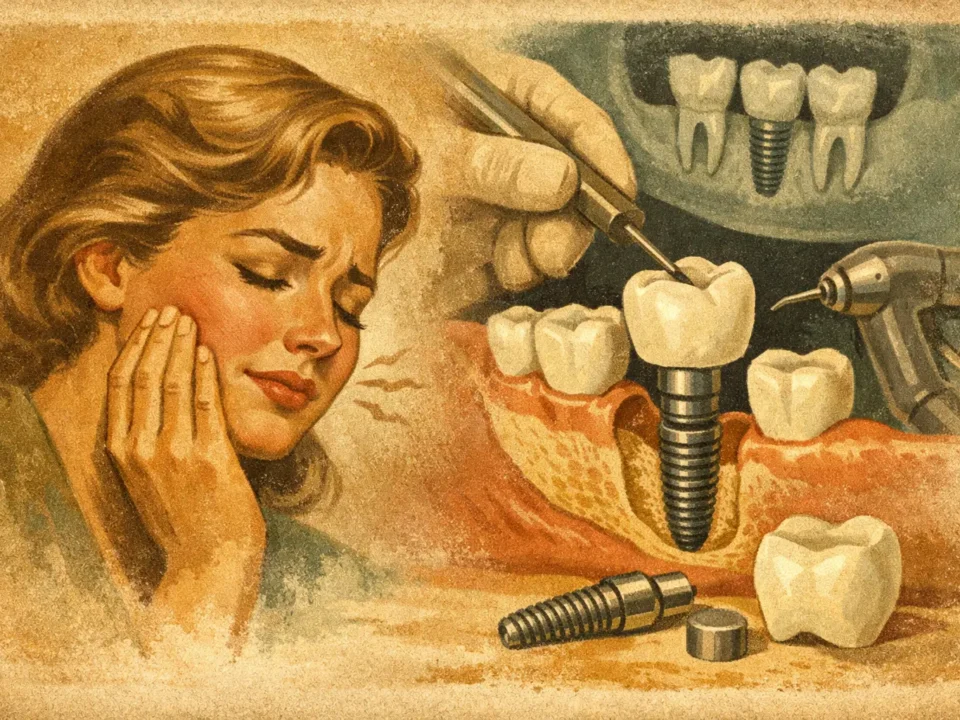
Are Dental Implants Painful? What to Expect
May 26, 2026
Is Laser Hair Removal Safe? What to Know
May 30, 2026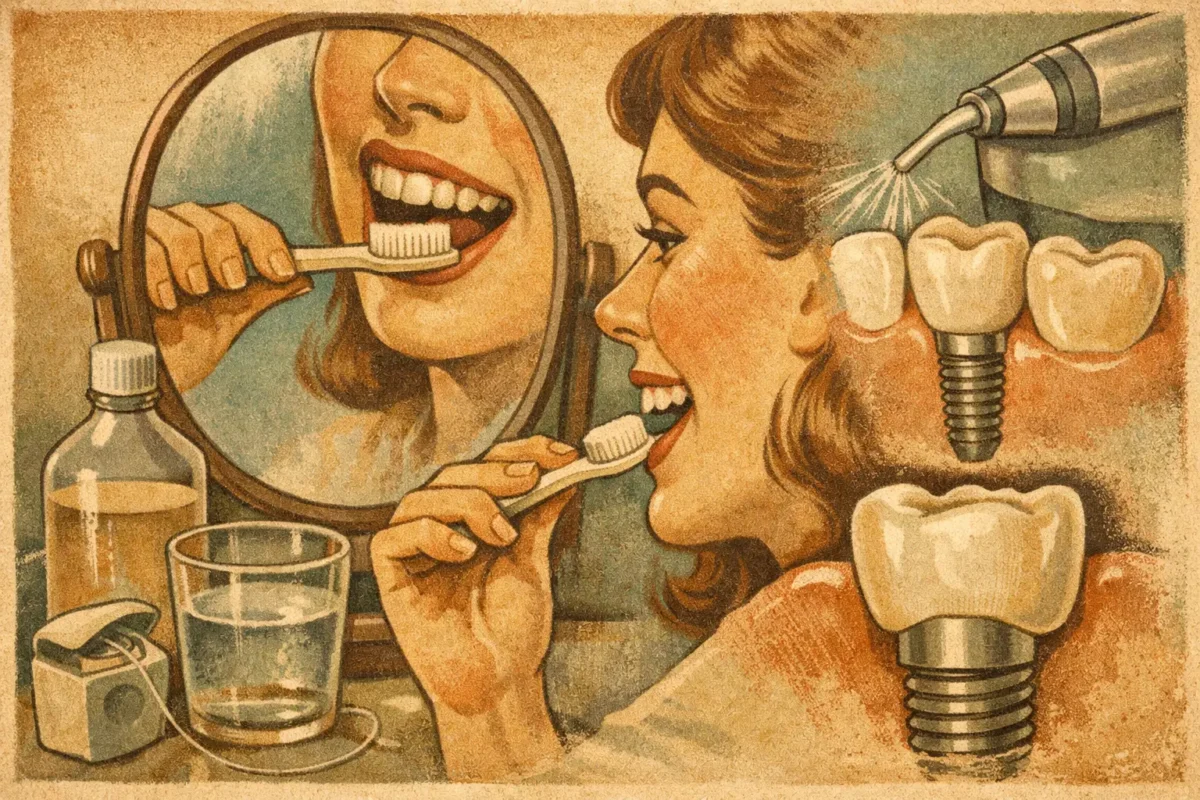
A dental implant can look and feel so natural that it is easy to forget it still needs consistent care. That is often where small problems begin. If you are wondering how to maintain dental implants, the good news is that the routine is usually simple, comfortable, and very manageable when you know what matters most.
Dental implants are designed to be long-lasting, but they are not maintenance-free. The implant itself cannot get a cavity, yet the gum and bone around it still need protection every day. Healthy tissue is what keeps an implant stable, comfortable, and beautiful over time. For many patients, the goal is not just keeping the implant in place – it is keeping the whole smile looking clean, natural, and confident.
How to maintain dental implants at home
The most effective home care starts with consistency. Brushing twice a day helps remove plaque before it irritates the gums around the implant. A soft-bristled toothbrush is usually the best choice because it cleans well without being too harsh on delicate tissue. Gentle technique matters more than aggressive scrubbing. If your gums feel sore after brushing, the pressure may be too strong.
Flossing is just as important, even if it feels awkward at first around an implant crown or bridge. The area where the restoration meets the gum line can trap food and plaque, and that buildup may lead to inflammation if it is ignored. Some patients do well with standard floss, while others find implant-specific floss, interdental brushes, or a water flosser easier to use. It depends on the design of the implant restoration and how much space you have between teeth.
An antibacterial or alcohol-free mouth rinse may also help reduce bacteria, especially if you are prone to gum irritation. That said, mouthwash should support brushing and flossing, not replace them. Mechanical cleaning is still the main part of long-term implant care.
Why gum health matters more than many people realize
One of the biggest misunderstandings about implants is thinking they are immune to oral health problems. While the titanium post does not decay, the surrounding gum can still become inflamed. If plaque stays along the gum line, it can lead to peri-implant mucositis, which is similar to early gum disease. If it progresses further, it may affect the bone supporting the implant.
This is why learning how to maintain dental implants is really about protecting the tissue around them. Bleeding when brushing, tenderness, swelling, or a bad taste in the mouth are not signs to wait and see. They are signs to schedule an exam. Early treatment is much simpler than repairing damage after bone loss begins.
Patients who have a history of gum disease need to be especially careful. That does not mean implants are a bad option. It just means the maintenance plan should be more personalized and more closely monitored.
The habits that help implants last longer
Daily cleaning is essential, but a few lifestyle choices can make a real difference too. Smoking is one of the biggest risk factors for implant complications because it affects healing and can reduce blood flow to the gums. Patients who smoke do not automatically lose their implants, but the long-term risk is higher, and the tissues often respond less predictably.
Teeth grinding is another issue that often goes unnoticed. Excess force can place stress on an implant crown and the surrounding structures. If you clench or grind at night, a custom night guard may help protect both your implants and your natural teeth. This is especially important if you have multiple restorations or a full smile makeover.
Your diet matters as well, particularly in the early healing phase after placement. Hard foods, sticky foods, or chewing ice can place unnecessary pressure on the area. Once healing is complete, most patients return to a normal diet, but that still does not make habits like biting pens or opening packaging with your teeth a good idea.
What professional maintenance looks like
Even excellent home care does not replace regular dental visits. Professional checkups allow your dentist to monitor the implant, examine the gums, and take X-rays when needed to confirm the surrounding bone remains healthy. These appointments are also important because implant problems are not always painful in the beginning.
Professional cleanings may include tools and techniques selected specifically for implants. The goal is to remove plaque and hardened deposits without scratching the implant surface or damaging the restoration. If you have an implant-supported bridge or denture, your dentist may also check the fit, bite, and any parts that may need adjustment over time.
For many patients, cleanings every six months are enough. For others, especially those with a history of gum disease, smoking, diabetes, or more complex restorative work, visits may need to be more frequent. Good implant care is never one-size-fits-all. Personalized follow-up is often what keeps a strong result looking and feeling excellent for years.
Signs your dental implant needs attention
A healthy implant should feel secure and comfortable. If something changes, it is worth getting checked rather than waiting for it to settle on its own. Warning signs can include redness around the implant, bleeding during brushing, persistent bad breath, pressure when chewing, or a feeling that the crown is moving.
It is also possible for the crown, abutment, or bite alignment to need adjustment without the implant itself failing. That is why unusual sensations should not cause panic, but they should prompt a visit. The earlier an issue is identified, the more conservative the solution usually is.
Many patients feel reassured when they hear that needing maintenance does not mean something has gone wrong with the entire treatment. Sometimes the problem is simply plaque buildup, irritation from trapped food, or wear on a restoration component. Small corrections can protect a much bigger investment in your smile.
Choosing the right products for implant care
Patients often assume they need a long shopping list after implant treatment, but that is not usually the case. A soft toothbrush, floss or interdental cleaner, and a suitable toothpaste are the foundation. Non-abrasive toothpaste is often preferred because very harsh formulas can wear down the surface shine of some restorations over time.
If you use an electric toothbrush, ask your dentist whether your brush head and technique are appropriate for your implant restoration. Many electric brushes are excellent, but pressure still matters. The right tool is the one you will use properly every day.
Water flossers can be especially helpful for patients with implant bridges, limited dexterity, or areas that are difficult to clean with string floss alone. They are convenient, but they work best when used as part of a complete routine rather than as the only cleaning step.
Confidence comes from maintenance, not just treatment
Dental implants do more than replace missing teeth. They restore comfort while eating, support speech, and often bring back a sense of confidence that patients have missed for a long time. But the confidence people love after treatment is closely tied to maintenance. Clean, healthy gums and regular follow-up help the result stay natural and strong.
At a clinic like Zyva Clinics, where smile care is part of a broader approach to confidence and self-care, that long-term mindset matters. Looking good and feeling healthy are not separate goals. They support each other.
If you treat your implant like a part of your daily wellness routine instead of a one-time fix, you give it the best chance to serve you beautifully for years. A few careful minutes each day, plus regular professional care, can protect the comfort, appearance, and peace of mind that made the treatment worth it in the first place.