Teeth Whitening and Cleaning Cost Explained
May 2, 2026
Teeth Whitening, Scaling and Polishing
May 4, 2026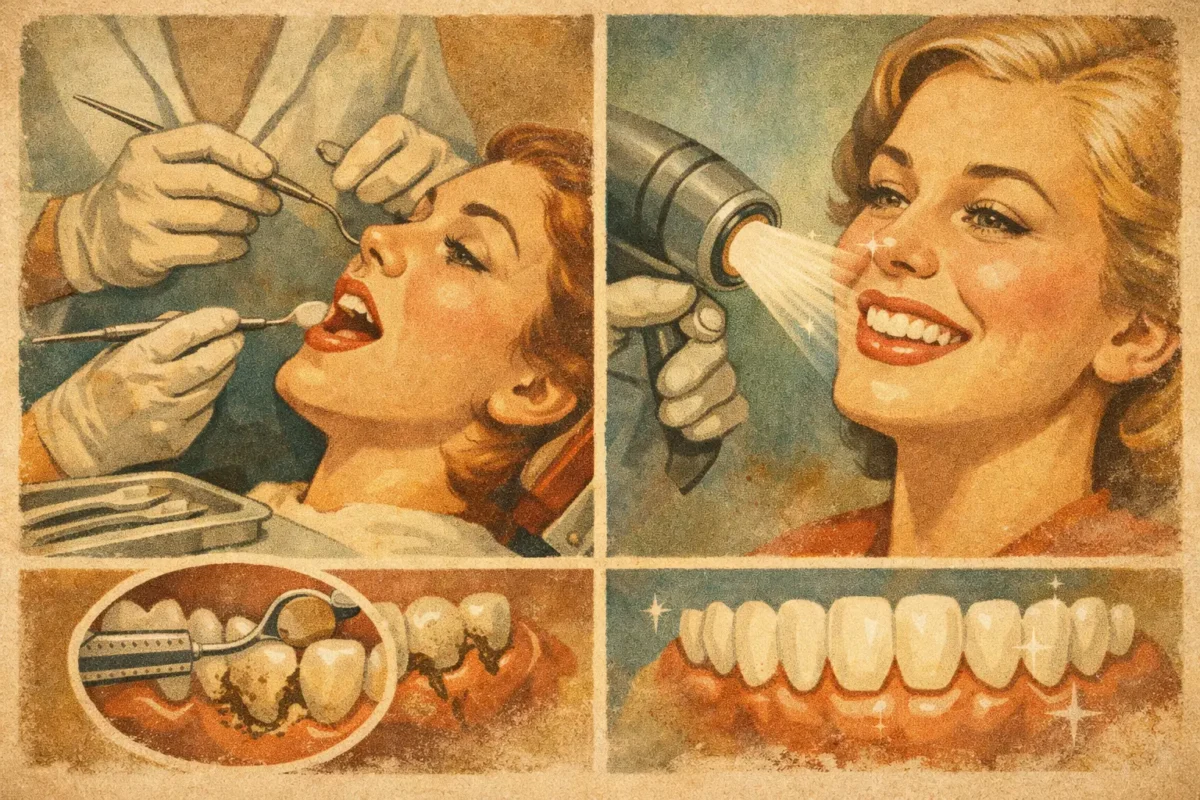
A lot of people book a dental visit asking for whitening when what they really need is a cleaning first. Others assume a regular cleaning will brighten stained teeth, then feel disappointed when the mirror shows the same yellow tone. Understanding the teeth whitening and cleaning difference helps you choose the right treatment, avoid unrealistic expectations, and get results that actually match your goals.
What is the teeth whitening and cleaning difference?
The simplest way to understand the teeth whitening and cleaning difference is this: dental cleaning focuses on health, while teeth whitening focuses on color.
A professional cleaning removes plaque, tartar, and surface buildup that collect on the teeth and around the gumline. It is a preventive treatment designed to support oral health, reduce the risk of gum disease, and help your teeth feel smooth and fresh.
Teeth whitening is a cosmetic treatment that lightens the shade of your natural teeth. It targets staining and discoloration within the enamel and dentin using whitening agents designed to make teeth appear visibly brighter.
Both treatments can improve how your smile looks, but they do it in very different ways. That difference matters because one treatment cannot fully replace the other.
What happens during a professional dental cleaning?
During a professional cleaning, your dental team removes plaque and hardened tartar that brushing and flossing at home cannot fully handle. Special instruments are used to clean around the teeth, especially near the gums and in areas that are easy to miss during daily care.
After the buildup is removed, the teeth are often polished to reduce surface stains and leave the mouth feeling cleaner. In many cases, this polishing can make teeth look a little brighter. That is where some of the confusion starts. A cleaning may improve the appearance of your teeth, but it does not actually change their natural shade.
If your teeth look dull because of coffee residue, tea stains, or plaque buildup, a cleaning can make a noticeable difference. If the color concern is deeper or more widespread, cleaning alone usually will not deliver the brightness you want.
What happens during teeth whitening?
Teeth whitening uses professional-grade whitening materials to break down stains and lighten the tooth shade beyond what a routine cleaning can do. This treatment is designed for people who want a whiter smile for personal confidence, professional appearance, or a special event.
Whitening works best on natural teeth with yellow-toned staining. Common causes include coffee, tea, red wine, tobacco, aging, and gradual enamel wear. Some people also notice discoloration even with good oral hygiene, simply because teeth naturally darken over time.
Professional whitening is different from using whitening toothpaste or store-bought strips. It is usually stronger, more controlled, and tailored to your needs. That means better oversight, safer application, and more predictable results.
Why cleaning does not replace whitening
This is the key point patients often miss. Cleaning removes what is sitting on the teeth. Whitening changes the color of the teeth themselves.
Think of it this way: if your white shirt has dust on it, brushing off the dust helps. But if the fabric has yellowed over time, you need a different approach. Teeth work in a similar way. Surface buildup can be cleaned away, but internal discoloration needs whitening treatment.
That is why someone can have very clean teeth that are still not very white. It is also why someone with stained buildup may benefit from cleaning before even considering whitening.
Who should get a cleaning?
Almost every adult benefits from routine professional cleanings as part of ongoing preventive care. If you notice plaque buildup, bad breath, gum tenderness, or it has been a while since your last dental visit, cleaning should usually come first.
Cleanings are especially important if you want to protect your gums, maintain existing dental work, and keep small issues from becoming bigger ones. They are not just cosmetic appointments. They are part of keeping your mouth healthy and comfortable long term.
If your main concern is health, maintenance, or that fuzzy feeling on the teeth, cleaning is likely the right place to start.
Who should get whitening?
Whitening is a good option if your teeth are healthy but you feel your smile looks darker, more yellow, or more stained than you would like. It appeals to many adults who want to look more polished at work, feel more confident in photos, or refresh their appearance without more extensive cosmetic treatment.
That said, whitening is not ideal for everyone. If you have untreated cavities, gum irritation, significant sensitivity, or certain types of discoloration, your dentist may recommend addressing those concerns first. Whitening also does not work the same way on crowns, veneers, or fillings, so the final result depends on what is already in your smile.
This is where a personalized consultation matters. The right treatment depends on the condition of your teeth, the type of stain, and the result you want.
Teeth whitening and cleaning difference in results
A cleaning gives you a fresher, cleaner smile. Your teeth may look more polished and slightly brighter because stains and deposits have been removed. The result is a healthier-looking mouth, but not usually a dramatic color change.
Whitening is where noticeable shade improvement happens. The goal is not just cleanliness but brightness. Depending on the starting shade and treatment method, teeth can appear several shades lighter.
The trade-off is that whitening is cosmetic, not preventive. It improves appearance, but it does not remove tartar or treat gum issues. Cleaning supports oral health, but it may not satisfy someone whose main goal is a whiter smile. In many cases, the best plan includes both, just in the right order.
Should you get a cleaning before whitening?
Usually, yes. A cleaning before whitening often makes sense because it removes plaque and tartar that could interfere with even whitening results. It also gives your dental team a clearer view of your oral health and helps identify any problems that should be treated first.
Starting with a clean surface can also help you see your true baseline tooth color. Sometimes patients realize that once the buildup is gone, they need less whitening than they thought. Other times, the cleaning confirms that whitening is the right next step.
For many people, this combination creates the best outcome: first a healthy foundation, then cosmetic enhancement.
Common misunderstandings about cleaning and whitening
One common misunderstanding is that polishing during a cleaning is the same as whitening. It is not. Polishing can remove some surface discoloration, but it will not bleach or lighten the tooth structure.
Another misunderstanding is that whitening can fix every type of stain. Some discoloration responds very well, while gray, medication-related, or trauma-related stains can be harder to treat. That does not always mean whitening is off the table, but expectations need to be realistic.
A third misconception is that if your teeth are healthy, you do not need cleanings. Even people with good home care benefit from professional maintenance. Prevention is part of protecting both your smile and your investment in cosmetic treatment.
Choosing the right treatment for your smile
If you are deciding between cleaning and whitening, start by asking what bothers you most. If your mouth feels unclean, your gums bleed, or it has been too long since your last visit, cleaning is the priority. If your teeth feel healthy but look darker or more stained than you want, whitening may be the better fit.
Sometimes the answer is not either-or. It is both. A thoughtful dental team will not rush you into a cosmetic service if your oral health needs attention first. They will guide you toward the treatment plan that protects your teeth while helping you feel more confident in your smile.
At Zyva Clinics, that kind of personalized care matters because comfort, safety, and visible results all work best together. The goal is not just whiter teeth or cleaner teeth. It is a smile that looks good, feels healthy, and fits you.
When you understand the difference, it becomes much easier to choose with confidence – and that is often the first step toward a smile you feel happy to show every day.