
Teeth Whitening and Cleaning Difference
May 3, 2026
Smile Makeover Treatment Guide
May 6, 2026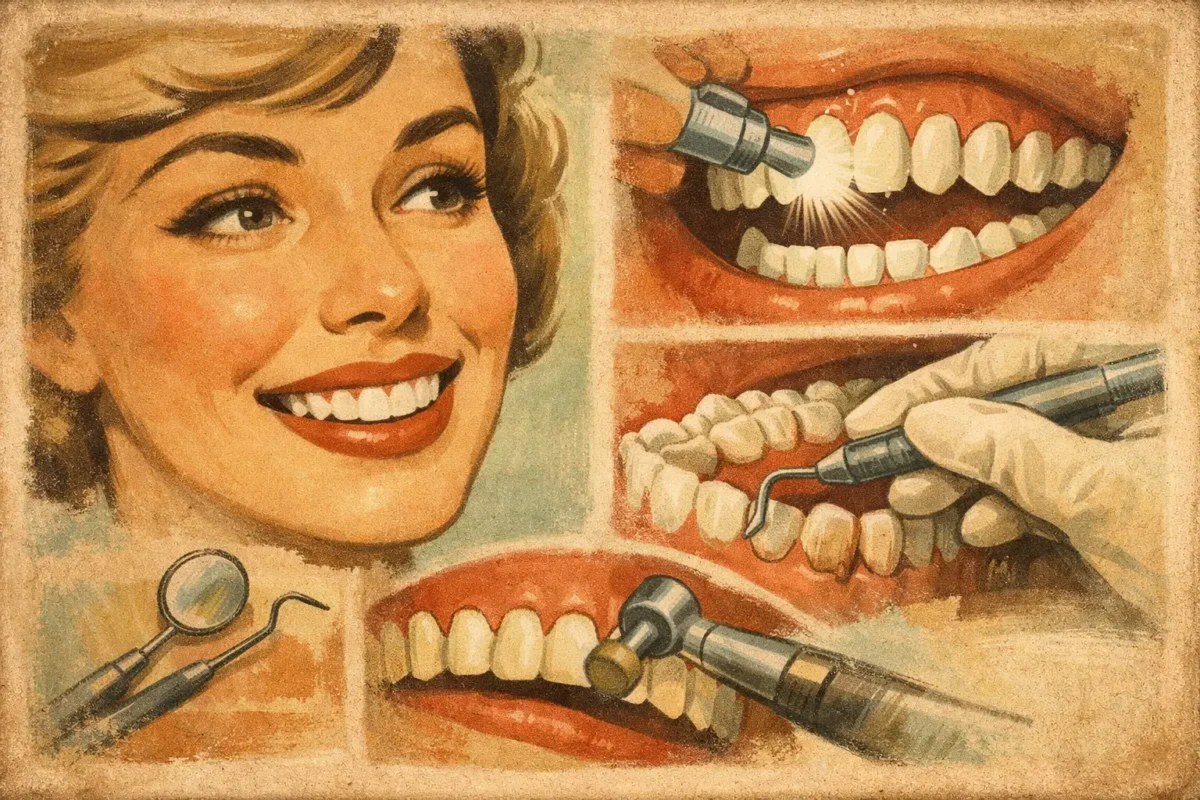
A brighter smile is rarely about whitening alone. In many cases, teeth whitening scaling and polishing work best as part of the same plan, because surface stains, plaque, and tartar can stop teeth from looking as clean and even as they should.
If you have noticed yellowing, tea or coffee stains, or teeth that look dull even after regular brushing, the answer may not be a single treatment. Sometimes the first step is cleaning away buildup. Sometimes whitening comes next. And sometimes polishing is the detail that helps everything look smoother, fresher, and more refined.
What teeth whitening, scaling and polishing actually mean
These three treatments are often grouped together, but they do different jobs.
Scaling is a professional cleaning treatment that removes plaque and tartar from the teeth, especially around the gumline and between teeth. This matters because tartar cannot be removed with brushing alone. If it is left in place, it can contribute to gum irritation, bad breath, and a smile that looks less clean than it really is.
Polishing usually follows scaling. It smooths the tooth surface and helps remove mild external stains. Teeth often feel cleaner and look brighter after polishing, even before any whitening treatment is done.
Teeth whitening is a cosmetic treatment designed to lighten the natural shade of teeth. It targets discoloration and stains that sit deeper than surface buildup. Whitening can make a dramatic difference, but it works best when teeth are already professionally cleaned.
Why these treatments are often recommended together
Many patients come in asking for whitening when what they really need first is a thorough cleaning. That is not a setback. It is actually the safer and more effective route.
When plaque and tartar are sitting on the teeth, whitening results can appear uneven. Some areas may respond better than others, and stains caused by buildup may remain in place. Scaling and polishing create a cleaner surface, which gives whitening treatment a better starting point.
There is also the comfort factor. If gums are inflamed or sensitive because of tartar accumulation, jumping straight into whitening may not be ideal. A dentist may recommend addressing oral health first, then moving on to cosmetic brightening once the mouth is in better condition.
This is where personalized care really matters. The right sequence depends on your teeth, your gum health, your level of staining, and the result you want.
Who may benefit from teeth whitening scaling and polishing
This combination can be a smart option for adults who want both cleaner teeth and a brighter smile. It is especially useful for people with staining from coffee, tea, red wine, tobacco, or strongly pigmented foods.
It may also help if your teeth feel rough, look dull near the gums, or seem darker than you expect despite brushing regularly. In many of these cases, there is both external buildup and color change happening at the same time.
That said, it depends on the cause of discoloration. Yellowing from surface stains often responds well. Deep internal discoloration, old dental restorations, or enamel wear may need a different cosmetic approach. Fillings, crowns, and veneers do not whiten the same way natural teeth do, so treatment planning should always start with a professional evaluation.
What happens during scaling and polishing
Scaling and polishing are routine dental treatments, but they can make a very visible difference.
During scaling, your dental provider removes hardened tartar and plaque using professional instruments. This may be done by hand, with ultrasonic tools, or with a combination of both. The goal is to clean areas that daily brushing and flossing cannot fully manage.
After that, polishing helps smooth the tooth surfaces and lift light external staining. Many patients notice that their teeth immediately feel slicker and cleaner. The smile may already appear fresher at this stage, even without whitening.
If there is significant tartar, gum sensitivity, or early gum disease, the cleaning may be more involved. In those situations, your provider may recommend spacing whitening treatment until the gums have settled. That is part of safe care, not a delay without purpose.
What to expect from teeth whitening
Professional whitening is designed to lift the shade of natural teeth beyond what cleaning alone can do. It can be done in a clinical setting or through professionally supervised take-home systems, depending on your needs and your timeline.
In-office whitening is often chosen by patients who want faster visible results. It is convenient, carefully monitored, and tailored to your level of sensitivity and staining. Take-home options can also be effective, especially for patients who prefer gradual brightening.
Whitening is not one-size-fits-all. Some smiles brighten several shades quickly. Others respond more gradually. Teeth with heavy staining, thin enamel, or existing sensitivity may need a gentler plan. A good dental team will explain what is realistic, what is safe, and how to maintain the result.
The benefits go beyond appearance
A clean, polished, brighter smile can absolutely improve confidence, especially in work, social, and family settings. But there is more to it than appearance.
Scaling supports gum health by removing tartar and reducing irritation around the gumline. Polishing helps create a smoother surface that feels cleaner and may make it harder for plaque to cling as quickly. Whitening, while cosmetic, can motivate many patients to take better ongoing care of their teeth because they want to protect the result.
That mix of health and confidence is why these treatments pair so well. You are not choosing between oral care and appearance. You are often improving both at the same time.
When whitening should wait
There are times when a dentist may advise against immediate whitening, even if you want brighter teeth right away.
If you have untreated cavities, active gum disease, exposed roots, or significant tooth sensitivity, it is usually better to address those concerns first. Whitening on unhealthy or irritated teeth is not the right starting point. Likewise, if your discoloration comes from a damaged tooth or a restoration mismatch, whitening may not solve the issue on its own.
Pregnancy, recent dental work, and certain medical considerations may also affect timing. This is why consultation matters. The safest path is not always the fastest one, but it is the one that protects your long-term results.
How long results last
Scaling and polishing results are immediate in terms of cleanliness, but maintenance is key. Tartar can build up again over time, and mild staining can return depending on your habits.
Whitening results also vary. If you drink coffee daily, smoke, or frequently consume dark beverages, touch-ups may be needed sooner. If you maintain good home care and are mindful of stain-causing foods and drinks, brightness can last much longer.
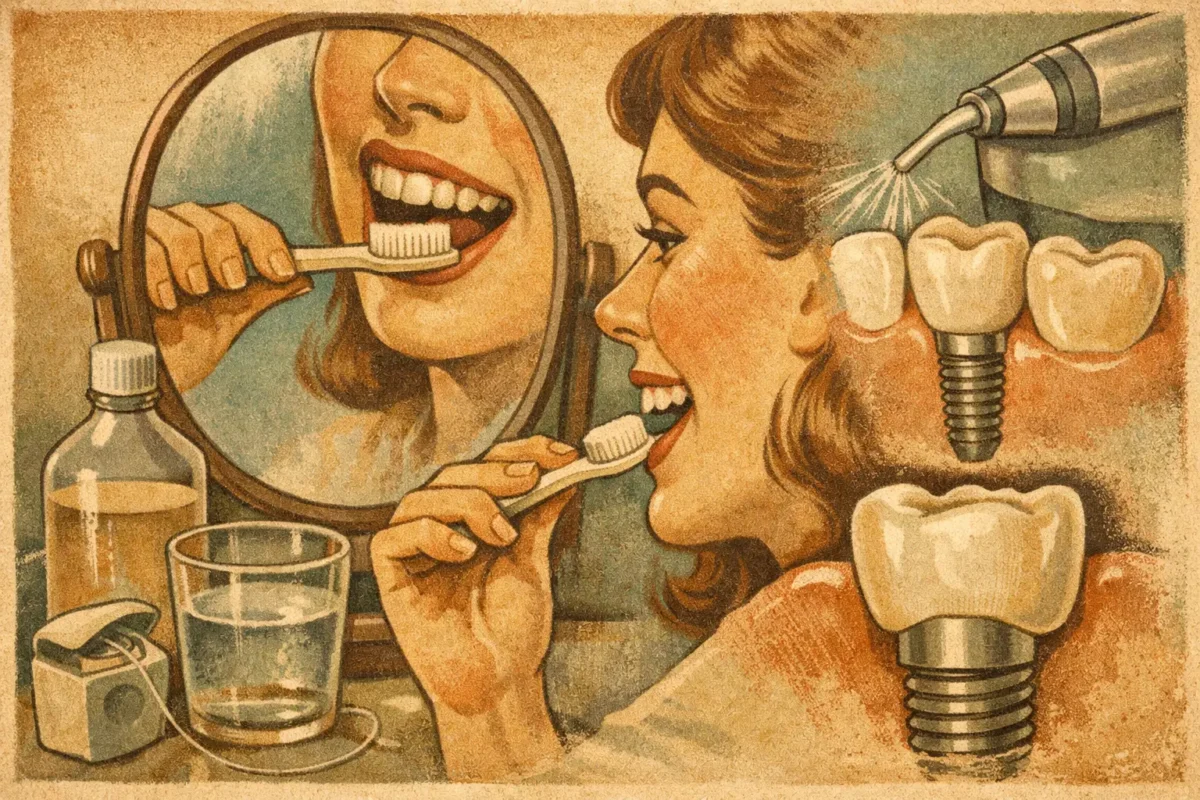
Simple habits help. Brush and floss consistently, keep up with regular dental visits, and rinse after dark drinks when possible. Using a straw for iced coffee or tea may help reduce contact with front teeth. Small choices make a real difference over time.
Choosing the right treatment plan for your smile
The best cosmetic dental results usually come from treating the cause, not just the symptom. If the issue is tartar and surface stain, scaling and polishing may give you more improvement than you expected. If deeper discoloration is present, whitening can take the result further. If there are alignment, shape, or restorative concerns, your dentist may suggest combining these treatments with a broader smile plan.
That is why a personalized approach matters so much. At a clinic like Zyva Clinics, where appearance and health are treated as part of the same self-care experience, patients benefit from care that is both practical and confidence-building. The goal is not simply whiter teeth. It is a smile that feels healthy, looks refreshed, and fits you naturally.
If you have been thinking about improving your smile, teeth whitening scaling and polishing may be the right place to start. The right plan begins with understanding what your teeth need now, so your results look better and last longer. A brighter smile feels even better when it is built on clean, healthy teeth.