
How Long Do Clear Aligners Take?
May 18, 2026
How to Prevent Gum Disease Every Day
May 22, 2026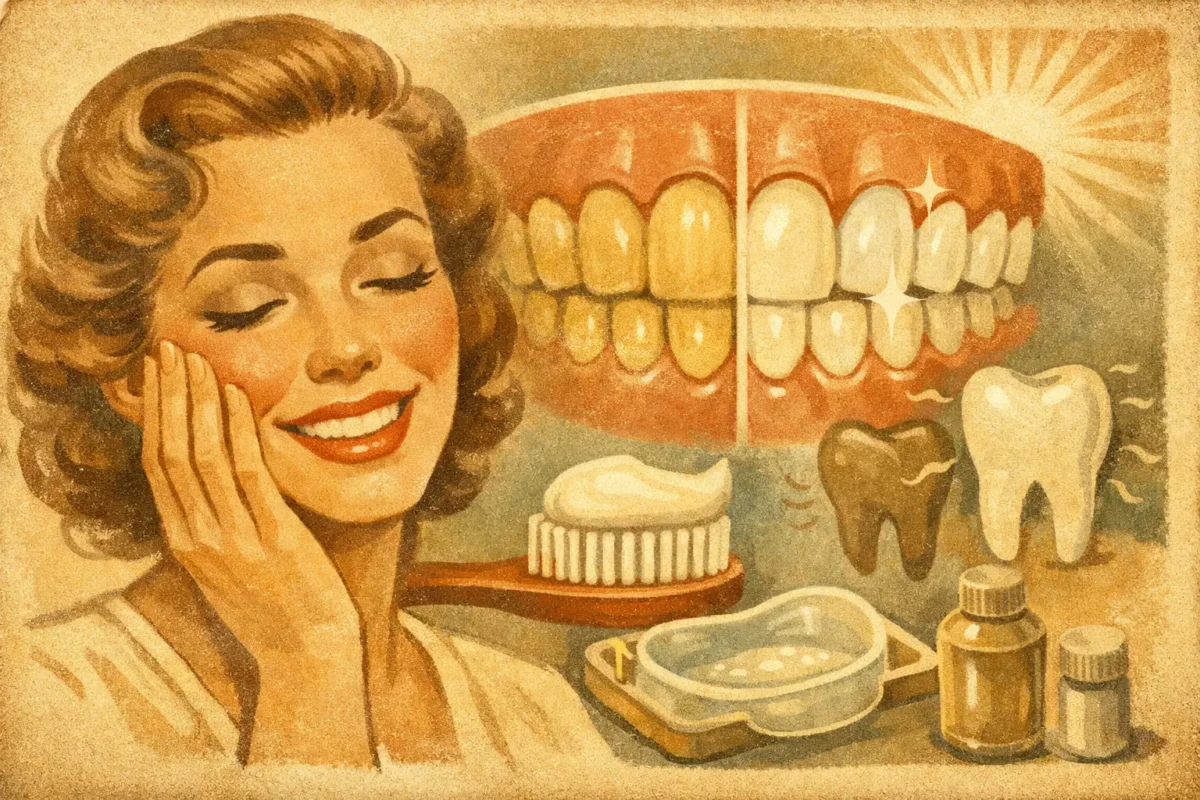
That sharp zing when cold water hits your teeth is enough to make anyone think twice about whitening. If that sounds familiar, teeth whitening for sensitive teeth is not off the table – it just needs a gentler, more personalized approach.
Many people assume sensitivity means they have to live with stains forever. In reality, the better question is not whether you can whiten, but how to do it without making your teeth feel worse. The safest path depends on why your teeth are sensitive in the first place, how deep the staining is, and whether your enamel and gums are healthy.
Why sensitive teeth react to whitening
Whitening products work by breaking down stain molecules inside the enamel. Even when treatment is done correctly, that process can temporarily irritate the tooth and increase sensitivity. For someone who already has exposed dentin, gum recession, worn enamel, or a habit of clenching and grinding, the effect can feel much stronger.
Sensitivity is not always caused by whitening itself. Sometimes whitening simply reveals an issue that was already there, such as a cavity, a cracked filling, thinning enamel, or irritated gums. That is why a proper dental evaluation matters before choosing any whitening method, especially if your teeth already react to hot, cold, sweet, or brushing.
Teeth whitening for sensitive teeth starts with the cause
Not all discoloration is the same, and not all sensitivity behaves the same way either. Surface stains from coffee, tea, red wine, or smoking may respond well to gentle polishing or lower-strength whitening. Deeper internal discoloration can be more stubborn and may require a different plan.
At the same time, tooth sensitivity can come from several sources. Receding gums may leave root surfaces exposed. Aggressive brushing can wear enamel away. Acidic foods and drinks can soften enamel over time. Even whitening strips that were used too often in the past can leave teeth feeling more reactive.
When patients try to solve all of this alone with a strong over-the-counter kit, they often end up disappointed. The whitening may be uneven, the sensitivity may spike, and the root problem is still there. A personalized treatment plan usually delivers a better result with far more comfort.
The safest whitening options for sensitive teeth
If your teeth are sensitive, gentler does not mean ineffective. It means using the right concentration, the right timing, and the right protective measures.
Professional whitening under dental supervision is often the most comfortable option because it can be adjusted to your needs. Instead of using a one-size-fits-all product, your dentist can choose a lower-strength formula, shorten contact time, and protect the gums during treatment. This is especially helpful for patients with existing sensitivity or uneven enamel wear.
Custom take-home trays can also work well. Because the trays fit your teeth closely, the whitening gel stays where it should and is less likely to irritate the gums. Treatment can be spaced out over a longer period, which is often easier for sensitive teeth than trying to whiten quickly in one intense round.
For some patients, whitening toothpaste for sensitivity support can help maintain brightness, but it is usually not enough to create a dramatic color change on its own. These products are better for upkeep than transformation.
What to avoid if your teeth are already sensitive
The biggest mistake is assuming stronger means better. High-concentration whitening gels, frequent strip use, and DIY whitening trends can all push sensitive teeth past their limit.
Charcoal powders and abrasive pastes are a common problem. They may make teeth look cleaner at first by scrubbing away surface debris, but they can also wear enamel down over time. Less enamel means more exposure, more yellow tones showing through, and often more sensitivity.
Using whitening products on unhealthy teeth is another risk. If you have untreated decay, leaking fillings, gum inflammation, or visible recession, whitening first is usually the wrong move. Comfort and safety come before shade improvement.
It also helps to avoid stacking treatments. For example, using whitening strips, whitening mouthwash, and whitening toothpaste all at once can sound efficient, but it often increases irritation without improving results in a meaningful way.
How dentists reduce sensitivity during whitening
This is where the right care plan makes a real difference. Sensitive teeth often respond well when whitening is paired with desensitizing support.
A dentist may recommend using a sensitivity toothpaste with potassium nitrate or fluoride for a week or two before treatment. In some cases, fluoride varnish or other in-office desensitizing treatments can calm the teeth before whitening begins. During treatment, the gel strength can be adjusted and sessions can be shortened based on how your teeth respond.
Spacing matters too. Some patients do better with fewer applications over a longer timeline instead of trying to reach a brighter shade immediately. It takes more patience, but it is often the difference between a positive experience and one that leaves you avoiding cold drinks for days.
At a clinic that values both appearance and oral health, whitening is not treated like a stand-alone cosmetic add-on. It works best when it is part of a bigger picture that includes enamel protection, gum health, and a result that still feels comfortable in daily life.
When stains are not the real problem
Sometimes patients ask for whitening when the issue is actually buildup, dehydration, or contrast. A professional cleaning and polishing can remove surface stain and make teeth look brighter without using bleach at all. If plaque and tartar are contributing to a dull appearance, this can be the simplest first step.
In other cases, whitening is not the ideal solution because the discoloration comes from restorations, trauma, or enamel defects. Crowns, veneers, and tooth-colored fillings do not whiten the way natural enamel does. If a front tooth is darker because of injury or if old fillings no longer match, a different cosmetic plan may be needed.
That is one reason consultation matters so much. Good cosmetic dentistry is not about pushing a treatment. It is about choosing the option that gives you a natural-looking result with the least stress on your teeth.
How to prepare for whitening if you have sensitivity
A little preparation can make whitening much easier. Start by getting your teeth checked if you have not had a recent exam. Sensitivity is a symptom, not a diagnosis, so it helps to know what is causing it.
Before treatment, use a sensitivity toothpaste consistently rather than just the night before whitening. Brush gently with a soft-bristled toothbrush and avoid aggressive scrubbing. If you tend to overdo acidic drinks like soda, citrus water, or sports drinks, cutting back can help protect enamel.
During the whitening period, it is wise to avoid very hot or very cold foods if your teeth feel reactive. It also helps to limit stain-causing drinks for a short time, especially right after treatment, when teeth may be more likely to pick up pigment.
What kind of results should you expect?
This depends on the starting shade, the type of stains, and how conservative the whitening plan needs to be. Sensitive teeth can absolutely become noticeably brighter, but the process may need to be slower than it would be for someone with no sensitivity history.
That trade-off is usually worth it. A slightly more gradual result is far better than an aggressive approach that leaves you uncomfortable. Most patients care about looking fresher, cleaner, and more confident – not chasing an unnaturally bright white that does not suit their features.
A natural result often looks best anyway. Whitening should lift your smile, not make it look artificial. For many adults, the goal is to restore brightness that has been lost over time while keeping the teeth healthy and strong.
When to choose professional help
If you have ongoing sensitivity, gum recession, previous dental work on visible teeth, or you have already had a bad reaction to whitening products, it makes sense to seek professional guidance. This is especially true if you want results that are noticeable but still safe.
At Zyva Clinics, the goal is not just whiter teeth. It is a healthier, more confident smile achieved in a way that respects your comfort. That means listening to your concerns, checking for causes of sensitivity, and recommending a treatment plan that fits your teeth rather than forcing your teeth to fit a product.
If your smile has been holding you back but sensitivity has made you hesitant, there is good news. With the right plan, patience, and professional care, whitening can feel a lot more manageable than you may think. The best place to start is not with the strongest product on the shelf – it is with a careful approach that protects your comfort while bringing your confidence back.