Teeth Whitening, Scaling and Polishing
May 4, 2026
How to Reduce Skin Pigmentation Safely
May 8, 2026
You usually know something feels off about your smile before you know how to describe it. Maybe your teeth look worn in photos, one tooth has shifted, whitening no longer helps, or an old crown stands out more than it used to. A smile makeover treatment guide should make that process feel less overwhelming, not more. The goal is not a copy-and-paste celebrity smile. It is a healthy, balanced, natural-looking result that fits your face, your lifestyle, and your budget.
At its best, a smile makeover is part cosmetic, part functional, and fully personalized. Some patients only need whitening and minor reshaping. Others need a more structured plan that combines straightening, repair, replacement, and gum care. What matters most is starting with the right diagnosis, because the best-looking smile is usually built on strong oral health first.
What a smile makeover really includes
A smile makeover is not one treatment. It is a customized combination of dental procedures used to improve the appearance of your smile while protecting comfort, bite, and long-term function. The exact mix depends on what is bothering you and what your dentist finds during the exam.
Common concerns include stained teeth, chipped edges, uneven spacing, crowding, missing teeth, worn enamel, old dental work, and gums that look uneven when you smile. Some of these are mostly cosmetic. Others affect your bite or make teeth harder to clean, which means appearance and health are often connected.
This is why a smile makeover plan should never begin with shade selection alone. If decay, gum inflammation, grinding, or bite imbalance is present, those issues need attention first. Whitening a smile that has untreated cavities or placing veneers on teeth under too much pressure can create expensive problems later.
Smile makeover treatment guide: where to start
The first step is a consultation with a full assessment of your teeth, gums, bite, and existing dental work. This appointment should feel collaborative. You should be able to say what you like about your smile, what you want to change, and what level of treatment feels realistic for you.
Photos, digital scans, and X-rays often help shape the plan. They allow your dentist to evaluate tooth position, bone support, wear patterns, and how your smile looks in relation to your lips and face. In many cases, the treatment sequence matters just as much as the treatments themselves.
For example, if your teeth are crowded and also stained, straightening often comes before whitening. If you have a missing tooth and also want veneers, the replacement plan may need to be finalized first so proportions stay balanced. If you grind your teeth, your dentist may recommend protecting the bite before doing cosmetic work.
A good plan answers a few practical questions clearly: what needs to happen first, what can wait, how long the process may take, and which choices give the best value over time.
The treatments most often used
Teeth whitening is one of the simplest ways to refresh a smile, especially when the main issue is staining from coffee, tea, wine, smoking, or age. Professional whitening can create a noticeable change quickly, but it does not alter tooth shape or fix crowns, fillings, or internal discoloration. If you already have visible dental work, shade matching may need careful planning.
Dental bonding is useful for small chips, gaps, and minor shape corrections. It is conservative and usually more affordable than porcelain, which makes it a strong option for subtle improvements. The trade-off is durability. Bonding can stain or wear faster than veneers, especially if you bite your nails, chew ice, or clench your teeth.
Veneers are thin porcelain shells placed on the front of teeth to improve color, shape, symmetry, and proportion. They can be transformative, but they are not the right answer for every patient. Veneers work best when the underlying teeth and gums are healthy and when the bite allows them to last. They also require a careful design process. A beautiful veneer case should still look like you, just more polished and harmonious.
Crowns are often chosen when a tooth needs both cosmetic improvement and structural support. If a tooth is heavily filled, cracked, or worn down, a crown may be safer than a veneer. The aesthetic result can be excellent, but preserving natural tooth structure is always part of the conversation.
Orthodontic treatment, including braces or clear aligners, is often the smartest long-term option for teeth that are crooked, crowded, or spaced. Straightening teeth can improve both appearance and cleanability, which supports gum health and lowers future maintenance problems. It does take more time than quick cosmetic fixes, but in the right case, the result is more conservative and more stable.
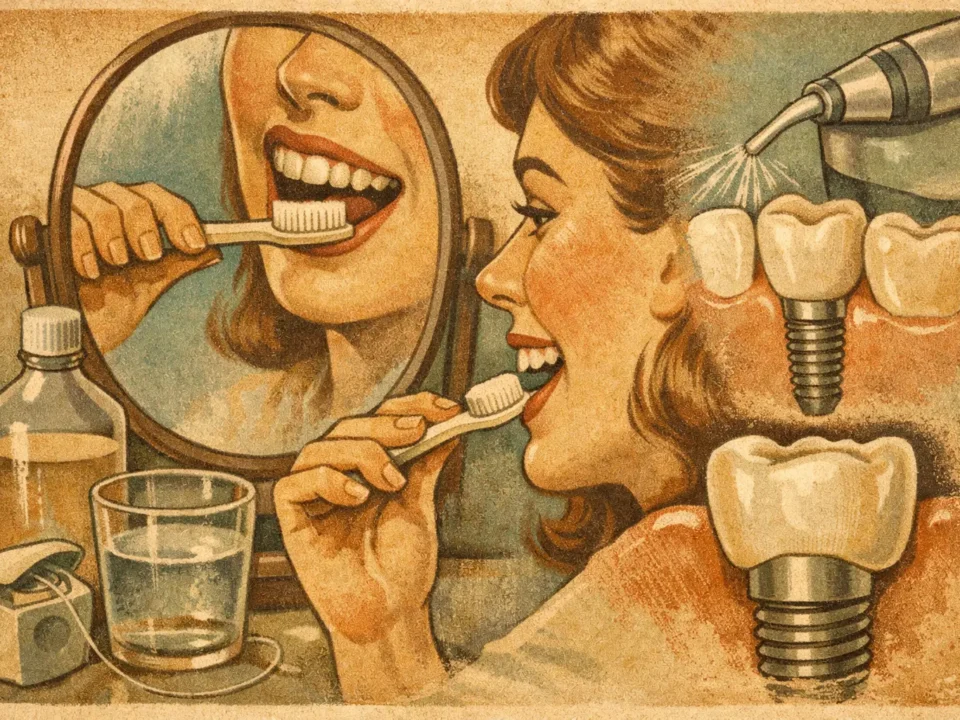
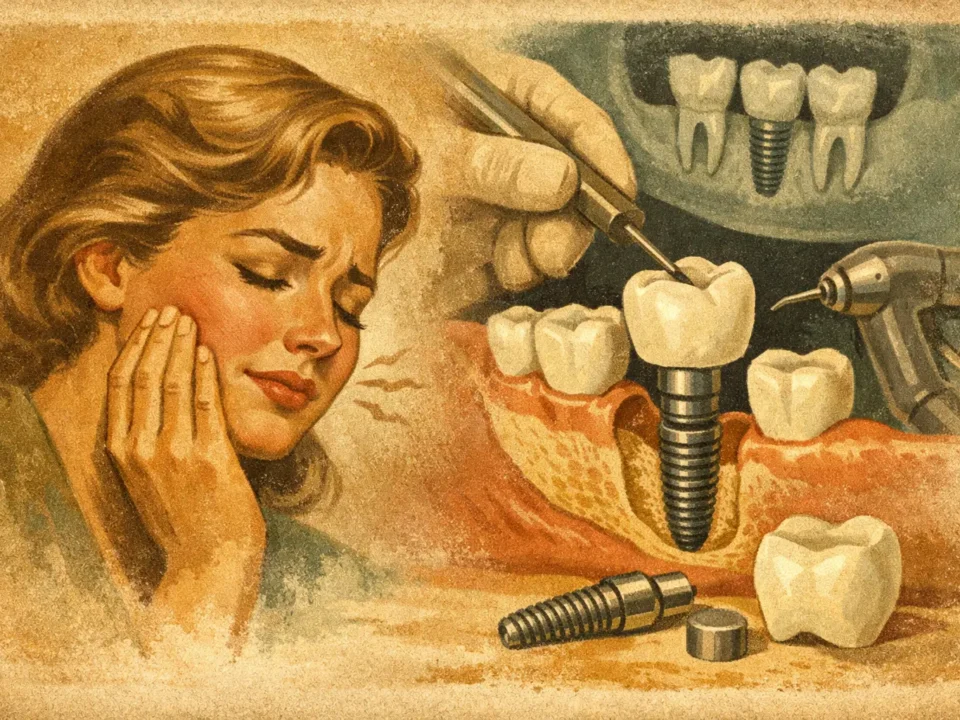
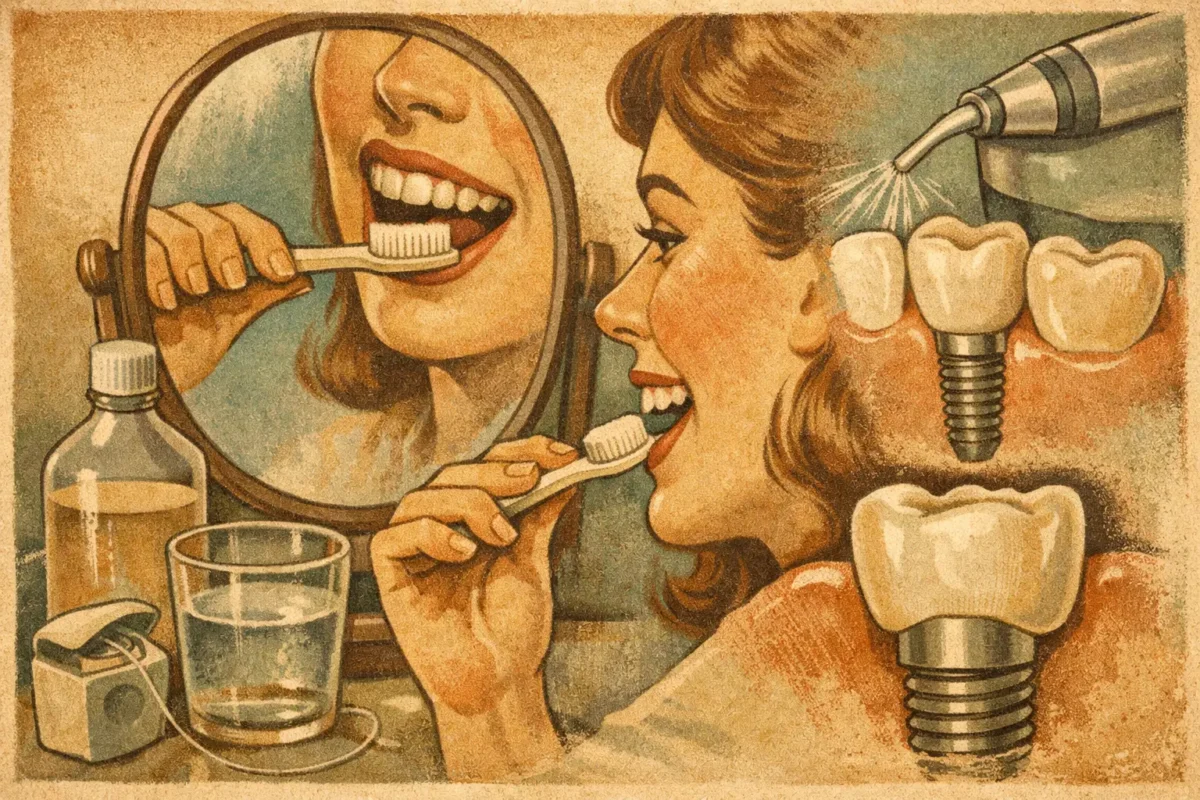
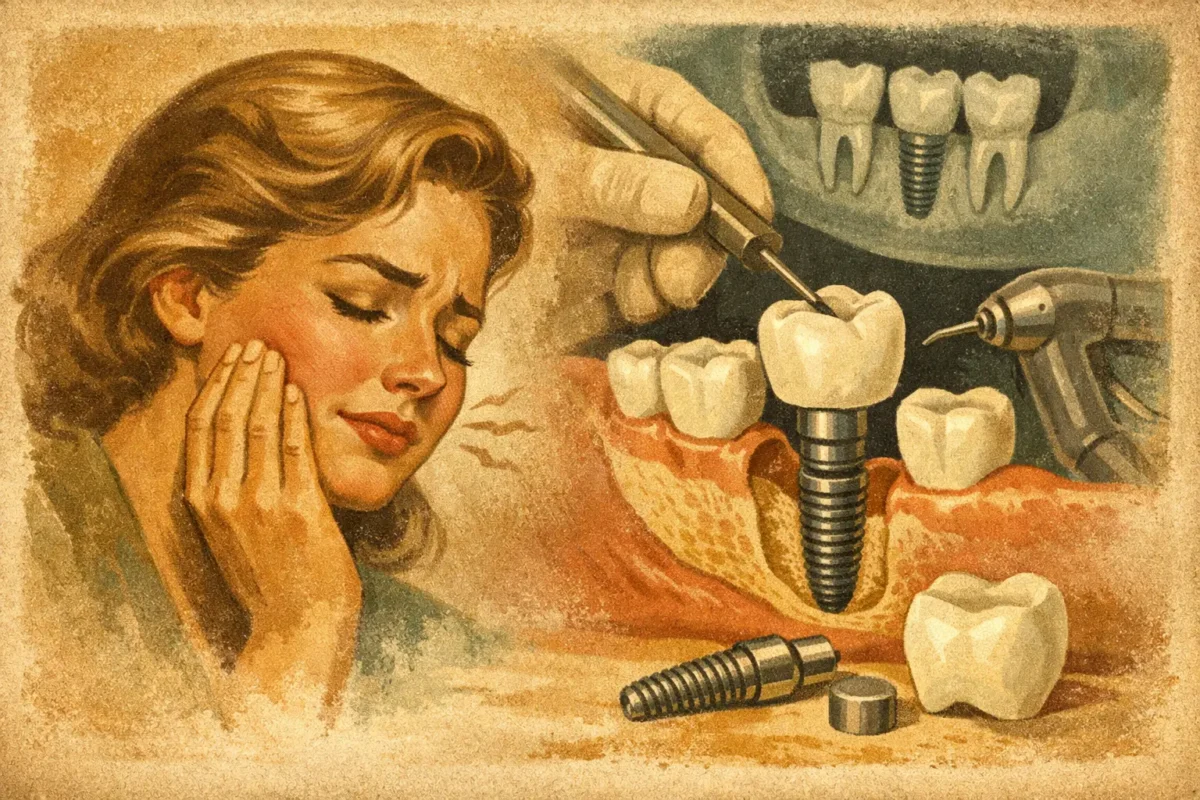
Dental implants are commonly used when one or more teeth are missing. They restore the look of a complete smile while helping preserve bone and support chewing function. Not every patient is an immediate implant candidate, though. Bone levels, gum health, medical history, and healing time all matter.
Gum contouring may be recommended if the teeth look short or the gumline appears uneven. Sometimes the issue is not the teeth themselves, but the frame around them. Small changes in gum shape can create a more balanced smile without making the teeth look artificial.
How dentists build a natural-looking result
The best cosmetic dentistry is rarely the most obvious. A strong smile makeover respects facial proportions, lip movement, skin tone, age, and personality. Someone who wants a bright, camera-ready look may choose a different finish than someone who wants a softer, understated result for everyday confidence.
Tooth size, translucency, edge shape, and color all influence the final appearance. Very white teeth can look beautiful on the right person, but they can also make natural skin tones and existing dental work look mismatched. Perfect symmetry is not always the goal either. Tiny variations can make a smile look more real and flattering.
This is especially important for adults who want to look refreshed, not altered. In a clinic that understands both smile aesthetics and overall facial presentation, the conversation often becomes more holistic. Your smile is one of the first things people notice, but it works together with your skin, lips, and facial balance to create that overall sense of confidence.
Cost, timeline, and what affects both
There is no single price for a smile makeover because there is no single treatment plan. The total depends on how many teeth are involved, whether health issues need to be addressed first, what materials are used, and whether treatment includes orthodontics, implants, or multiple stages.
A simple plan with whitening and bonding may be completed quickly and at a lower cost. A more complex makeover involving aligners, crowns, implants, or gum reshaping can take months. That does not mean one approach is better than the other. It means the right treatment is the one that solves your actual concerns safely.
If you are comparing options, ask about longevity and maintenance, not just the starting fee. A lower-cost treatment that needs frequent repair may not be the best value. On the other hand, not every cosmetic concern requires the most expensive solution. Good planning is often what saves money over time.
How to prepare for your consultation
Bring clarity, not technical knowledge. It helps to know what bothers you most, whether that is color, alignment, missing teeth, or worn edges. It also helps to mention habits like clenching, smoking, or drinking a lot of coffee, because these affect treatment choices and long-term results.
You can also be honest about your timeline and budget. A caring dental team will not see that as a limitation. It helps them build a realistic phased plan. Sometimes the best approach is to start with health and function, then complete cosmetic refinements in stages.
If you want a smile that looks natural in everyday life, say that. If you want something brighter and more noticeable, say that too. The more specific you are about your goals, the easier it is to create a result that feels right when you look in the mirror.
Choosing the right provider for a smile makeover treatment guide
Experience matters, but so does communication. You want a provider who explains why a treatment is being recommended, what alternatives exist, and what trade-offs come with each option. Cosmetic dentistry should never feel rushed or one-size-fits-all.
Look for a clinic that values comfort, planning, and follow-up care. This kind of work is not only about how your teeth look on the day treatment ends. It is also about how well your smile holds up six months, three years, and ten years later. At Zyva Clinics, that patient-first approach is part of what makes personalized care feel reassuring from the first consultation onward.
A smile makeover can be life-changing, but the best place to begin is with a calm, informed conversation. When your treatment plan is built around health, comfort, and the way you want to feel every day, confidence tends to follow naturally.