Dental Implants for Missing Teeth Explained
June 3, 2026
Dental Crowns vs Veneers: Which Fits?
June 7, 2026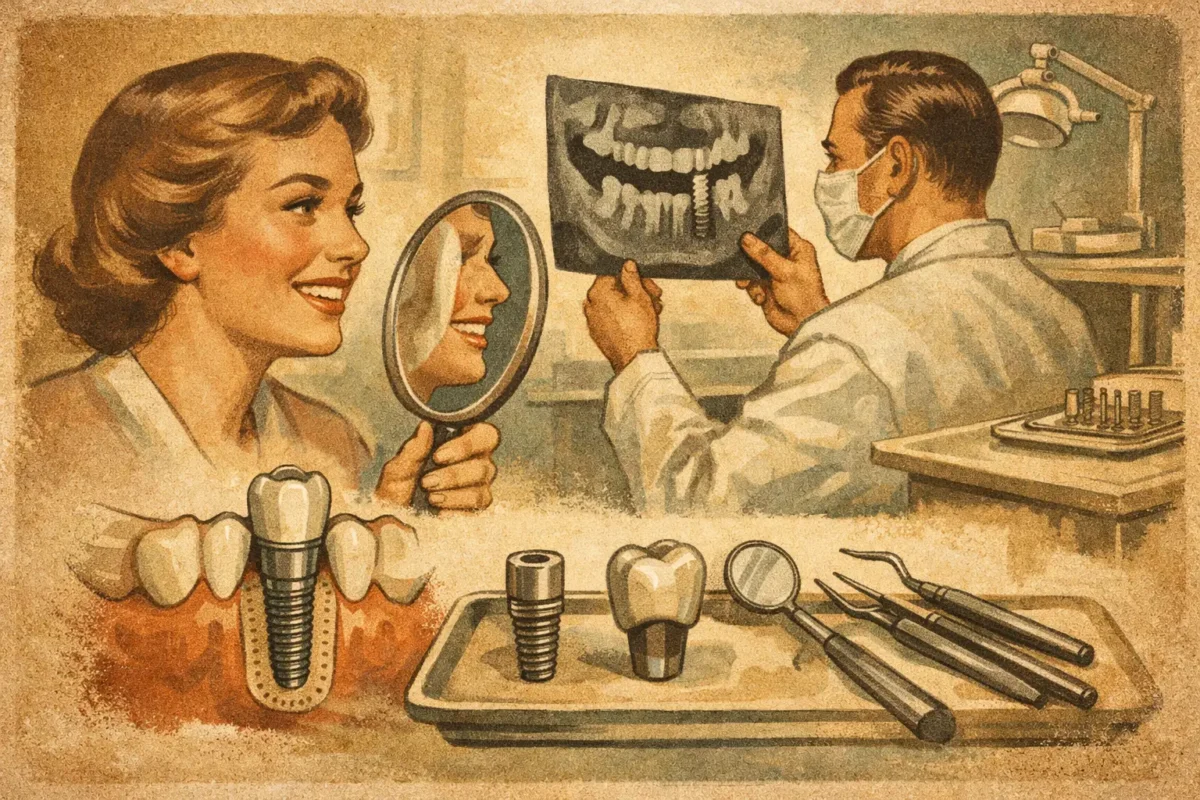
Missing a tooth changes more than your bite. It can make you think twice before smiling in photos, speaking up in meetings, or ordering the foods you actually enjoy. If you’re wondering how to prepare for dental implants, the good news is that the process starts well before the procedure itself – and the right preparation can make treatment smoother, recovery easier, and results more predictable.
Dental implants are designed to replace missing teeth in a way that looks natural, feels stable, and supports long-term oral health. But they are not a one-size-fits-all treatment. Your timeline, healing process, and treatment plan depend on your bone health, gum condition, medical history, and the number of teeth being replaced. That is why preparation matters so much.
How to prepare for dental implants starts with a full evaluation
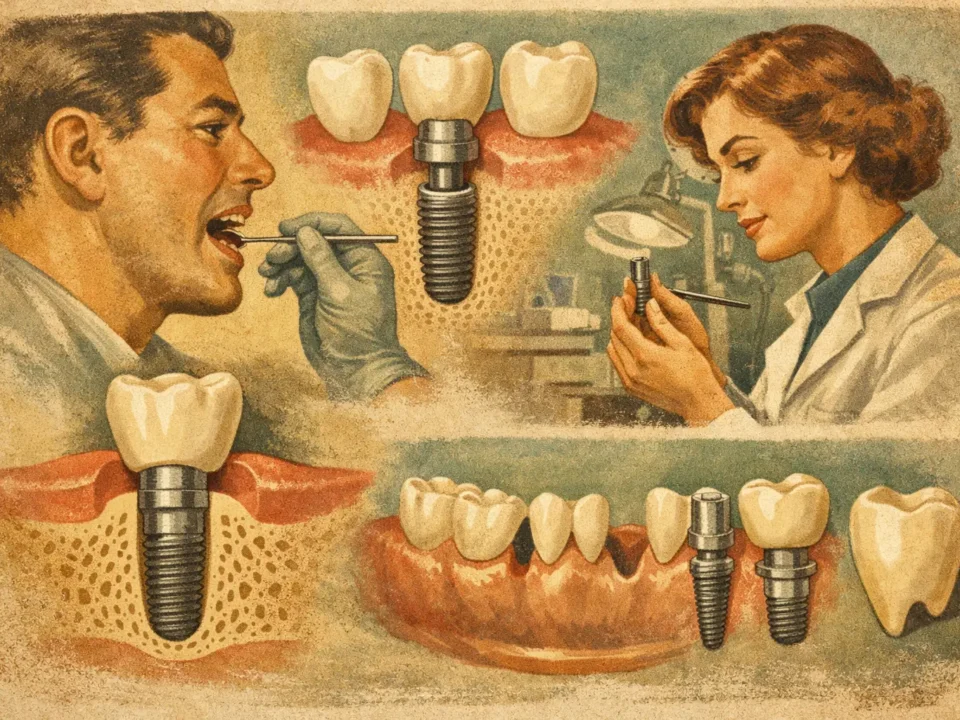
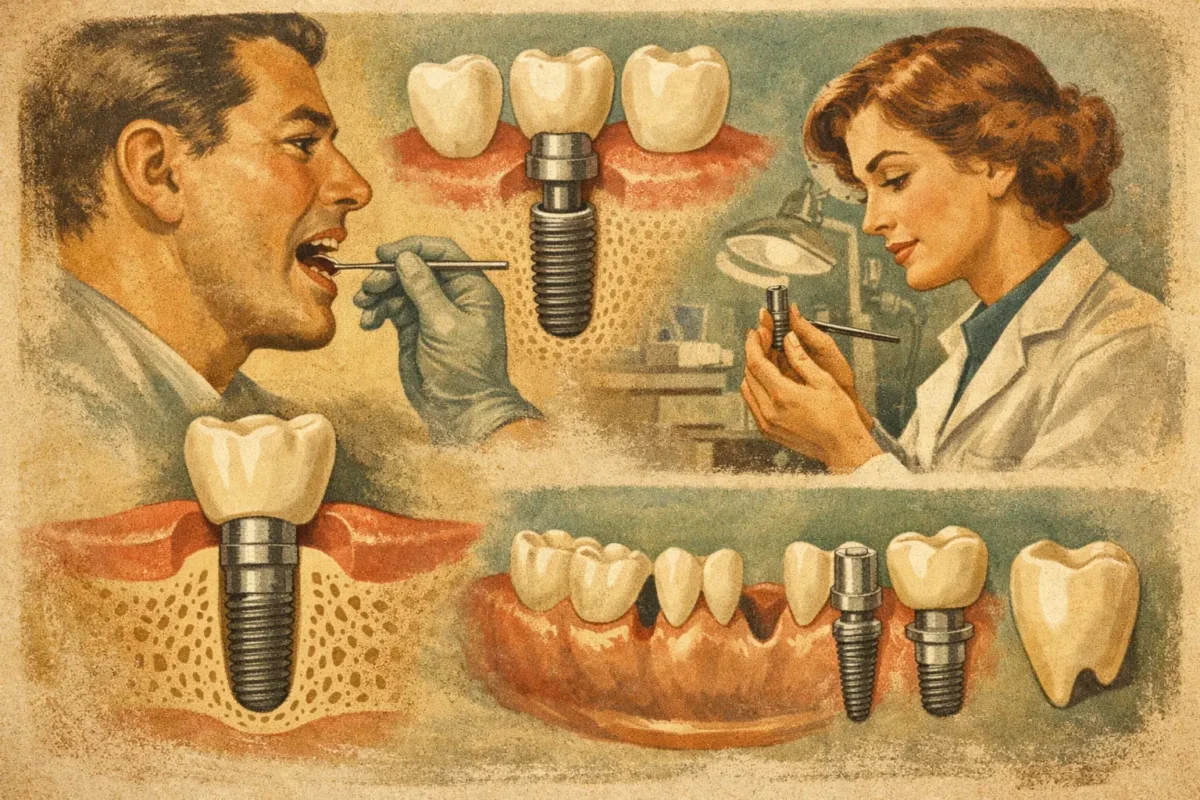
The first step is a detailed consultation. This is where your dentist examines your teeth, gums, jawbone, and bite to decide whether implants are the right option for you. X-rays and 3D imaging are often used to check bone density, identify the exact implant position, and spot any issues that could affect healing.
This appointment is also your chance to talk openly about your goals. Some patients want to restore one missing tooth without affecting neighboring teeth. Others are thinking about replacing several missing teeth or improving comfort with a more secure alternative to dentures. Your treatment plan should reflect both your oral health needs and the result you want to live with every day.
If your dentist finds gum disease, untreated decay, or signs of infection, those problems usually need to be handled first. It can feel frustrating to hear that implant treatment must wait, but this is part of safe planning. Healthy gums and a clean mouth create a stronger foundation for successful healing.
Get your mouth ready before implant surgery
One of the most practical parts of how to prepare for dental implants is improving your oral hygiene before surgery. Even if you already brush and floss regularly, your dentist may ask you to be extra consistent in the weeks leading up to treatment. Plaque and bacteria increase the risk of inflammation, and that can interfere with healing.
A professional cleaning may be recommended before your implant appointment. If there is tartar buildup or gum irritation, it is better to deal with it early rather than hope it settles on its own. In some cases, a tooth extraction or bone graft may be part of your treatment plan, which means your preparation period could include additional healing time before the implant is placed.
This is also the stage to ask practical questions. Will you need one procedure or several? Will a temporary tooth be placed? How long will healing take before the crown is attached? Clear answers can ease anxiety and help you plan around work, social events, and daily responsibilities.
Bone grafting and timing
Some patients have enough jawbone for immediate implant placement. Others need bone grafting first because bone can shrink after a tooth is lost. This does not rule out implants. It simply changes the timeline.
If a graft is needed, your dentist will explain how long the area should heal before moving to the next step. Waiting can test your patience, especially if you are eager to complete your smile, but it often improves stability and long-term success.
Review your health history honestly
Dental implants have a high success rate, but your general health still plays a major role in recovery. Be ready to discuss any medications you take, previous surgeries, allergies, and medical conditions such as diabetes, autoimmune disorders, or heart concerns. These details help your dentist plan more safely and reduce avoidable complications.
Smoking is one of the biggest issues to address before implant treatment. Tobacco can slow healing and increase the risk of implant failure. If you smoke or vape, your dentist may strongly advise you to stop before surgery and avoid nicotine during recovery. This can be difficult, but even a temporary break can support better healing.
If you grind your teeth at night, mention that too. Teeth grinding can put excess pressure on implants and may affect how your restoration is designed. In some cases, a night guard becomes part of the long-term plan.
Medications and surgery prep
Do not stop prescription medications on your own, but do ask whether anything needs to be adjusted before your procedure. Blood thinners, certain supplements, and anti-inflammatory medications may need review. Your dental team may also give you instructions about eating before surgery, taking antibiotics, or using a medicated mouth rinse.
Small details matter here. The more transparent you are, the more personalized and safe your treatment plan becomes.
Prepare your schedule, meals, and recovery space
A lot of people focus on the surgery and forget about the first 24 to 72 hours afterward. That is often when good planning makes the biggest difference. Depending on the procedure, you may want to take time off work, avoid strenuous exercise, and keep your calendar light for a few days.
Before your appointment, stock up on soft foods that are easy to eat without much chewing. Yogurt, soup, mashed potatoes, smoothies, scrambled eggs, oatmeal, and soft pasta are common options. Very hot foods, crunchy snacks, and anything hard or sticky may need to wait until your dentist says it is safe.
You should also arrange transportation if sedation will be used. Even if the procedure itself feels straightforward, it is better not to assume you will be ready to drive yourself home. A little planning helps you recover with less stress.
At home, keep your aftercare supplies within easy reach. This may include prescribed medication, gauze, a cold pack, water, and the written instructions from your dental team. When you are tired after treatment, simple setup can feel like a real comfort.
Know what to expect emotionally, not just physically
Patients often ask about pain, but the emotional side of implant treatment matters too. It is normal to feel excited, nervous, impatient, or all three. For many adults, implants are not just a dental decision. They are tied to confidence, appearance, aging, and how you feel when you look in the mirror.
A caring clinic will not rush past those feelings. If you are worried about discomfort, healing time, or how the final result will look, say so. The more your concerns are addressed before treatment, the more comfortable you are likely to feel during the process.
This is especially true if you have avoided dental care in the past because of fear or embarrassment. You deserve a plan that feels supportive, respectful, and realistic. At Zyva Clinics, that patient-first approach is part of making care feel more comfortable from the very beginning.
How to prepare for dental implants after the procedure is just as important
Preparation does not stop once the implant is placed. A successful result depends on how well you protect the area while it heals. Your dentist may tell you to avoid chewing on that side, rinse gently, take medications as directed, and return for follow-up visits so the implant can be monitored.
Healing takes time because the implant needs to bond with the jawbone in a process called osseointegration. Some patients heal faster than others. Age, bone quality, smoking habits, oral hygiene, and overall health all affect the timeline. That is why comparing your progress to someone else’s rarely helps.
Be patient with the process. The goal is not just to replace a tooth quickly. The goal is to create a strong, comfortable, natural-looking result that lasts.
Long-term habits that protect your investment
Once your final crown, bridge, or denture is attached, daily care still matters. Implants do not get cavities, but the gums and bone around them can still become inflamed if plaque builds up. Brushing, flossing, and regular dental checkups remain essential.
If you tend to delay appointments once a problem feels solved, this is one habit worth changing. Preventive visits help your dentist spot small issues before they become expensive or painful. That kind of maintenance protects both your oral health and your confidence.
A few signs you are ready to move forward
You are likely ready for implant treatment when you understand the timeline, have a clear plan for healing, and feel comfortable asking questions. You do not need to know every technical detail, but you should know what the process involves, what your responsibilities are, and what kind of result is realistic for your case.
Good preparation is not about being perfect. It is about showing up informed, honest, and ready to support your own healing. When that happens, dental implants can feel less intimidating and much more like what they really are – a step toward comfort, function, and a smile that feels like yours again.
If dental implants are on your mind, start with a conversation, not a guess. The right guidance can turn uncertainty into a plan you feel good about.