
How to Maintain a Smile Makeover
June 1, 2026
How to Prepare for Dental Implants
June 5, 2026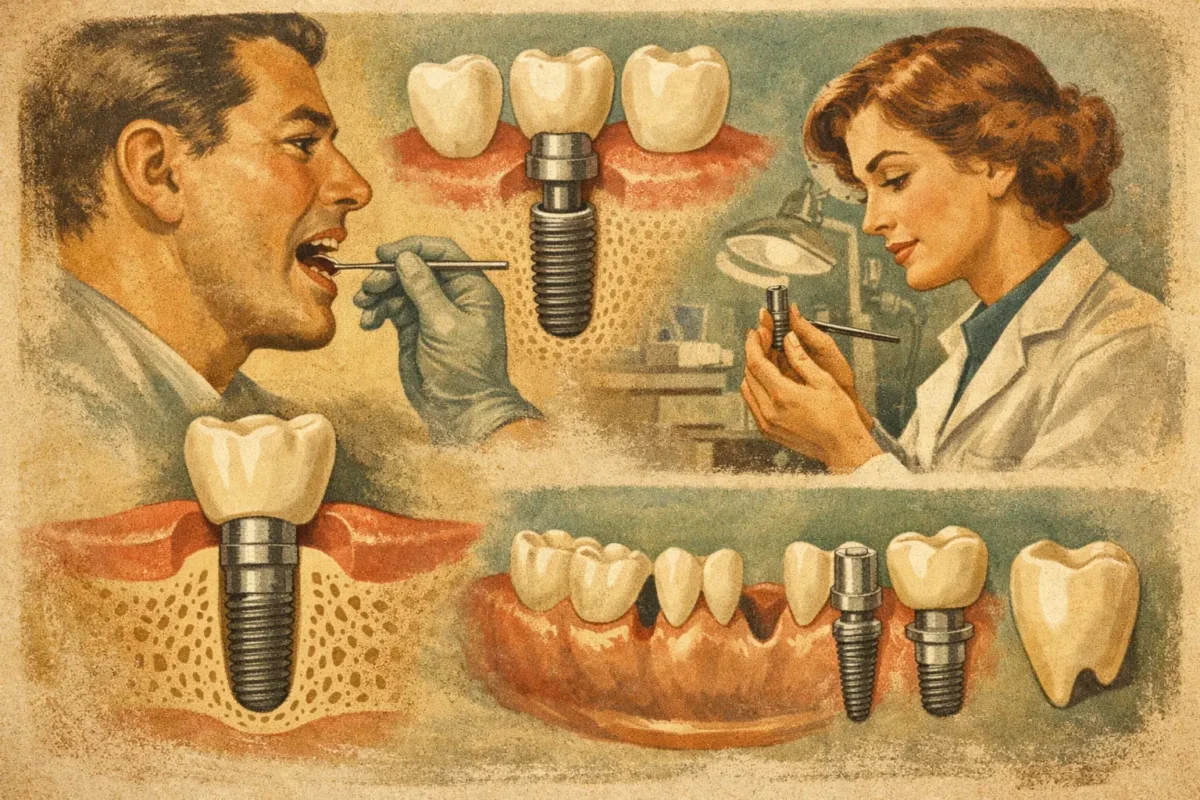
A gap in your smile can change more than how your teeth look in photos. It can affect how you chew, how clearly you speak, and how confident you feel in everyday moments. That is why many adults start asking about dental implants for missing teeth when they want a solution that feels stable, natural, and built to last.
For many patients, implants are not just a cosmetic upgrade. They are a way to restore normal function and protect long-term oral health. If you have lost one tooth, several teeth, or you are tired of dealing with loose dentures, understanding your options can make the next step feel much easier.
What are dental implants for missing teeth?
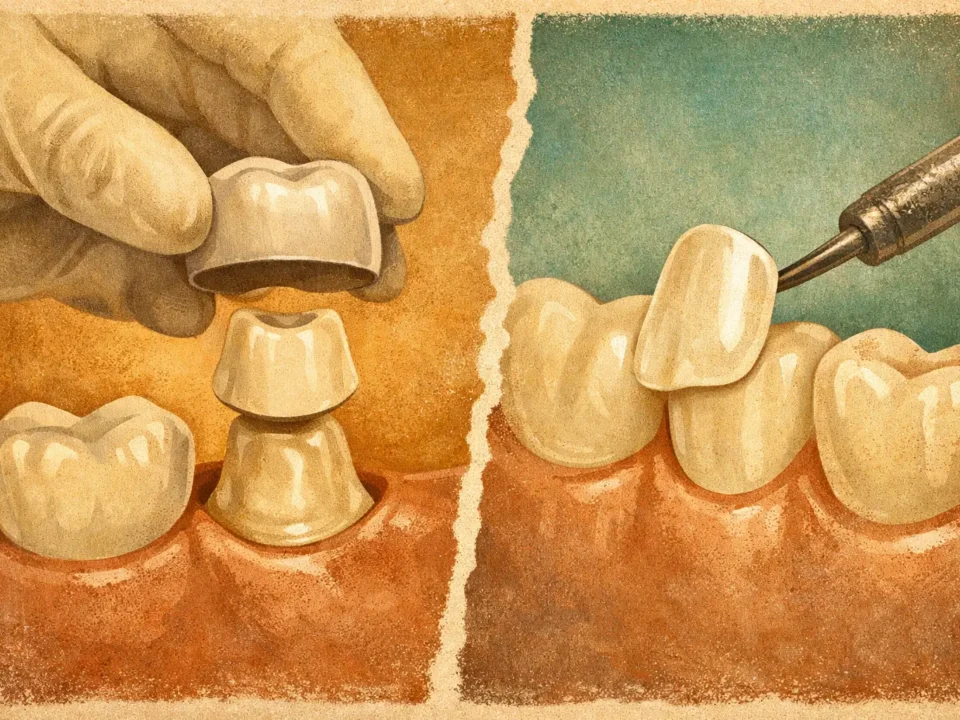
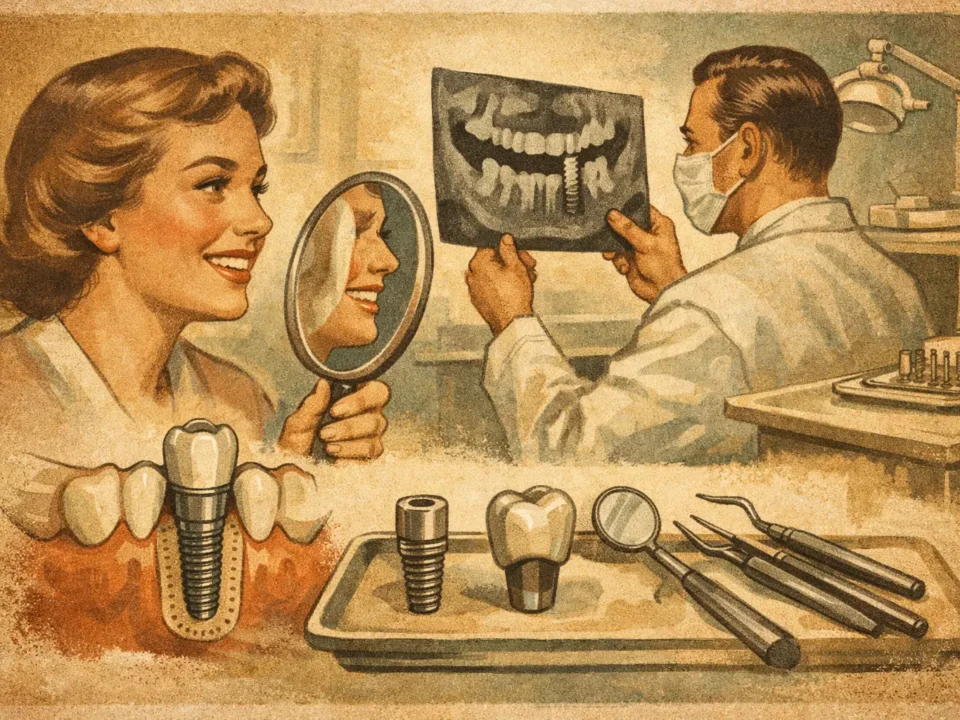
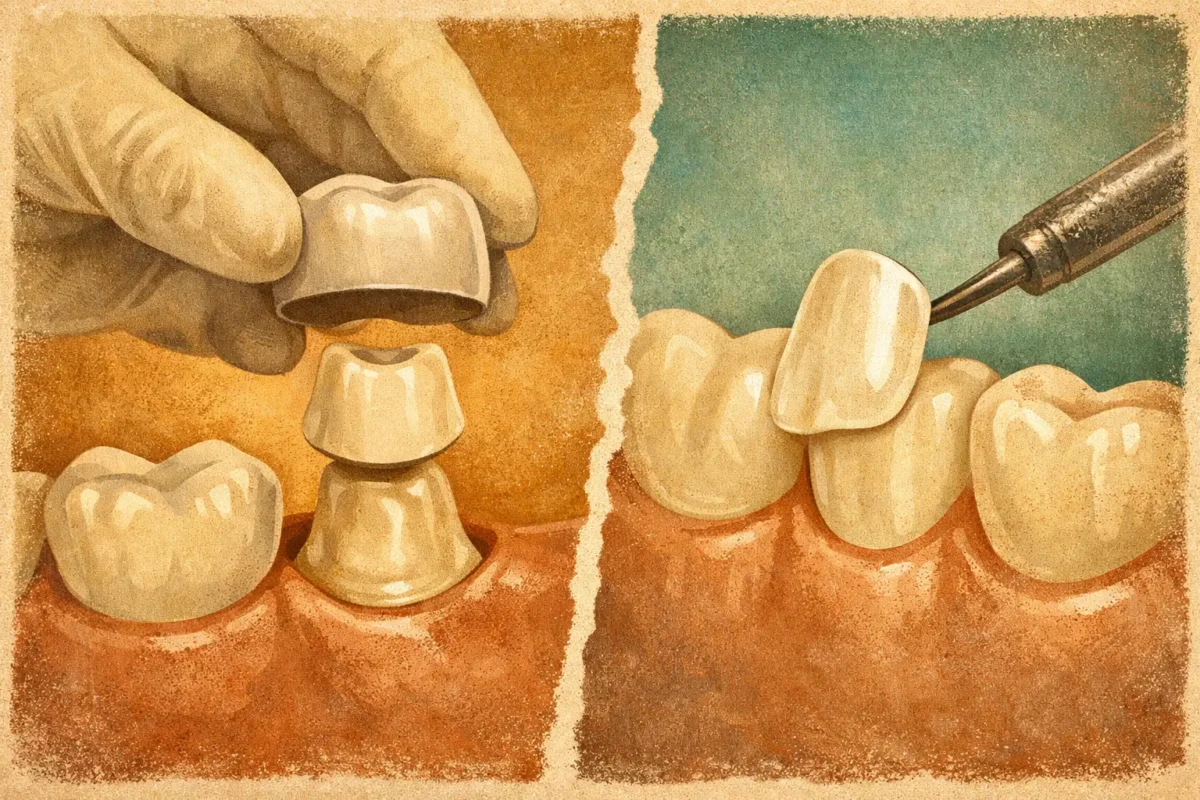
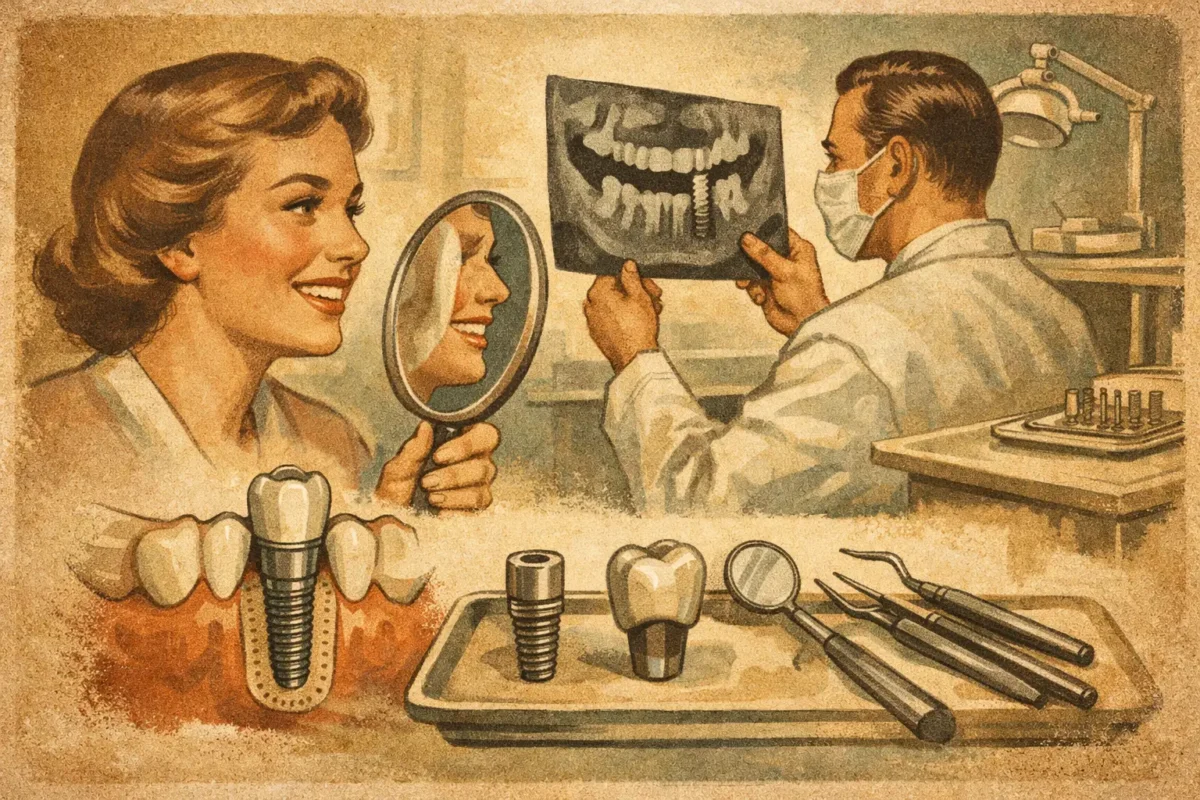
Dental implants are small titanium posts placed in the jawbone to act like artificial tooth roots. Once the implant heals and bonds with the bone, a custom restoration is attached on top. That may be a crown for one missing tooth, a bridge for several missing teeth, or a full-arch denture for broader tooth loss.
What makes implants different from other replacements is their support system. Instead of relying on neighboring teeth or sitting on the gums alone, they are anchored in the jaw. This gives them a more secure feel and helps create a result that looks and functions much closer to natural teeth.
Patients often like implants because they do not want a removable option, or they want to avoid changing healthy nearby teeth to support a bridge. Others choose them because they want to eat, smile, and speak with less self-consciousness.
Why implants are often considered the closest thing to natural teeth
A missing tooth leaves more than an empty space. Over time, the jawbone in that area can begin to shrink because it is no longer being stimulated by a tooth root. This is one reason facial structure can subtly change after tooth loss, especially if several teeth are missing.
Dental implants for missing teeth help address that issue in a way traditional removable appliances cannot. Because the implant sits in the bone, it helps maintain stimulation in the area. That does not mean every patient will have the same result, but it is a major advantage when preserving oral structure is part of the treatment goal.
There is also the everyday comfort factor. Implant-supported teeth typically feel firmer than removable options. Many patients find they can chew more confidently and do not worry as much about slipping, clicking, or movement while talking.
Who may be a good candidate?
A good implant candidate is not defined by age alone. What matters more is overall oral health, gum health, and whether there is enough bone to support the implant. Many healthy adults are candidates, including people who have been missing teeth for quite some time.
That said, it depends. Some patients need gum treatment first. Others may need a bone graft if the jawbone has thinned. Smoking, uncontrolled diabetes, teeth grinding, and certain medical conditions can also affect healing and long-term success. None of these automatically rule implants out, but they do make proper planning even more important.
This is where a detailed consultation matters. A careful exam, digital imaging, and a conversation about your goals help determine whether implants are the right fit and what type of treatment plan makes sense for you.
Your options for dental implants for missing teeth
Implants are not one-size-fits-all. The right option depends on how many teeth are missing, where they are located, the condition of the surrounding bone and gums, and your budget and preferences.
If you are missing one tooth, a single implant with a custom crown is often the most straightforward option. It replaces the tooth without involving the teeth next to it.
If several teeth are missing in a row, an implant-supported bridge may work well. Instead of placing an implant for every single tooth, a few implants can support a section of replacement teeth.
If you are missing most or all teeth in an arch, a full-arch implant solution may offer more stability than traditional dentures. Some patients want a fixed option that stays in place, while others prefer an overdenture that snaps onto implants for extra support but can still be removed for cleaning.
Each option has trade-offs. A fixed full-arch restoration can feel more natural to some patients, but it may involve a higher investment. A removable implant-supported denture can improve comfort significantly while remaining more budget-conscious for some families.
What the treatment process usually looks like
Many patients feel more comfortable once they know what to expect. Implant treatment usually happens in stages rather than in a single visit.
The process begins with a consultation and planning appointment. Your dentist reviews your oral health, takes scans or X-rays, and checks the quality and quantity of available bone. This is also when questions about timing, comfort, healing, and cost should be discussed clearly.
If a damaged tooth needs to be removed, that may happen before implant placement or, in some cases, at the same time. Some patients also need bone grafting to create a stronger foundation.
Next comes implant placement. The implant is positioned in the jawbone during a minor surgical procedure. After that, healing time is needed so the bone can integrate with the implant. This phase is important because it creates the stable base that makes implants so reliable.
Once healing is complete, the final crown, bridge, or denture is attached. The restoration is designed to match your smile, bite, and facial features as naturally as possible. For many patients, this is the stage where they feel the emotional benefit most strongly. Eating feels easier. Smiling feels less guarded. Daily life feels more normal again.
Does getting implants hurt?
This is one of the most common concerns, and it is understandable. Most patients are surprised that implant placement is more manageable than they expected. Local anesthesia is used during the procedure, and many people describe the recovery as similar to or easier than a tooth extraction.
You may have some soreness, swelling, or mild discomfort afterward, especially in the first few days. The exact experience varies depending on the number of implants placed and whether grafting or extractions were involved. A personalized aftercare plan, along with clear instructions, makes recovery smoother and less stressful.
Comfort is not only about the procedure itself. It is also about feeling informed, cared for, and supported throughout treatment. That reassurance matters just as much as the clinical steps.
How long do dental implants last?
Implants are designed to be a long-term solution. With good placement, healthy gums, and consistent home care, the implant itself can last for many years. In many cases, even decades. The crown or denture attached to the implant may need maintenance or replacement over time because of normal wear.
Long-term success depends on habits. Daily brushing and flossing still matter. Routine dental visits still matter. If gum disease develops around an implant, it can threaten the support around it. That is why follow-up care is not optional. It is part of protecting your investment and your health.
Cost, value, and the bigger picture
Implants usually cost more upfront than a removable denture or traditional bridge. That is often the biggest hesitation for patients. But the full value is not only in the first price tag. It is in durability, comfort, appearance, stability, and the ability to preserve surrounding structures.
For some people, a bridge or denture may still be the right choice. Budget, treatment timeline, and medical considerations all play a role. The best decision is the one that balances your health needs with what feels realistic and sustainable for you.
At a clinic like Zyva Clinics, that conversation should feel personal, not pressured. The goal is to help you understand your options clearly so you can choose with confidence.
When to book a consultation
If you are avoiding certain foods, hiding your smile, or noticing changes in the way your bite feels, it is worth getting an evaluation sooner rather than later. Waiting too long after tooth loss can sometimes lead to more bone loss and more complex treatment later.
A consultation does not commit you to treatment. It simply gives you answers. And for many patients, that first conversation is what turns uncertainty into relief.
A restored smile is never only about teeth. It is about feeling comfortable in your own face again, speaking without hesitation, and enjoying daily life without that constant reminder of what is missing.