
How to Treat Acne Scars Safely
May 14, 2026
How Long Do Clear Aligners Take?
May 18, 2026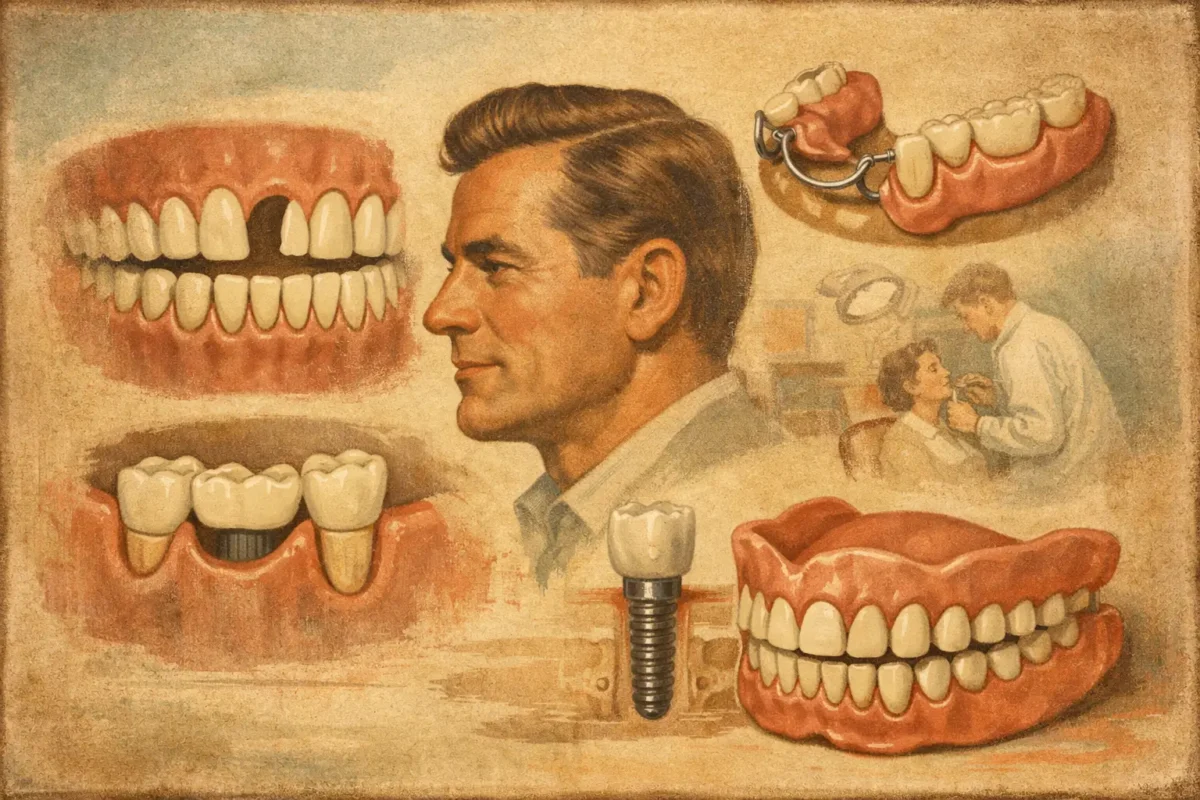
Losing a tooth changes more than your smile. It can affect how you chew, how clearly you speak, how your bite feels, and even how confident you are in photos, meetings, or everyday conversations. If you are weighing the best options for missing teeth, the right choice depends on your oral health, budget, timeline, and the kind of result you want to live with long term.
Some people want the closest thing to a natural tooth. Others want a faster or more affordable solution. There is no single answer that fits everyone, which is why a personalized treatment plan matters.
What are the best options for missing teeth?
The best options for missing teeth usually include dental implants, dental bridges, and full or partial dentures. In some cases, implant-supported dentures offer a middle ground between stability and affordability. The best treatment for you depends on how many teeth are missing, where the gap is located, the condition of your gums and jawbone, and how important appearance and comfort are in your daily life.
If the missing tooth is in a visible area, esthetics often become the priority. If it is a back tooth, chewing strength may matter more. If multiple teeth are missing, your dentist will also look at how to protect the surrounding teeth and keep your bite balanced.
Dental implants: the closest match to a natural tooth
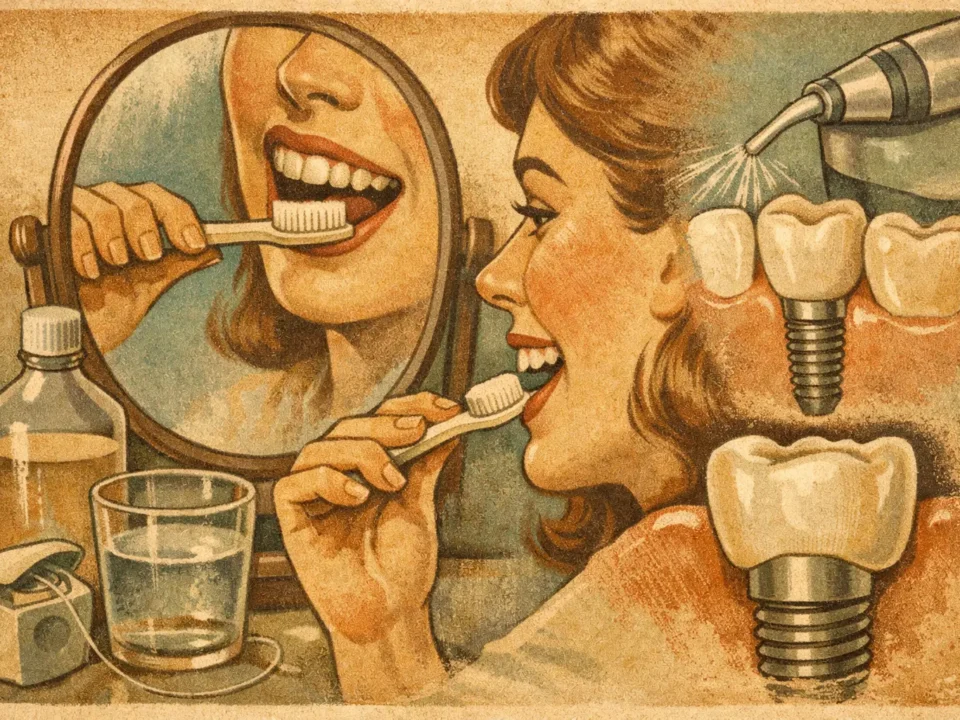
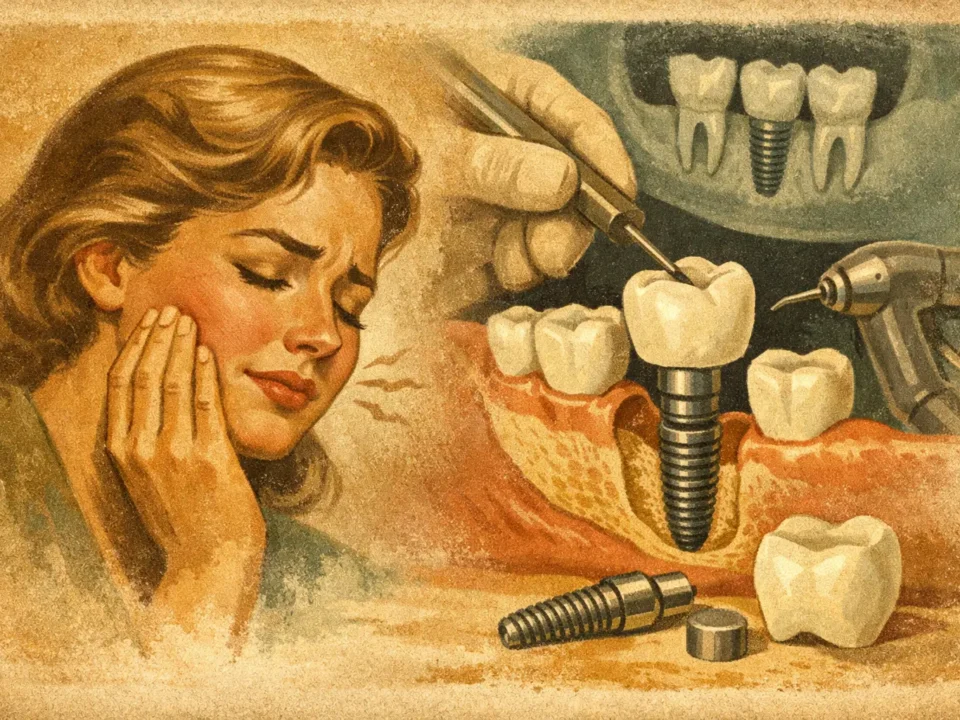
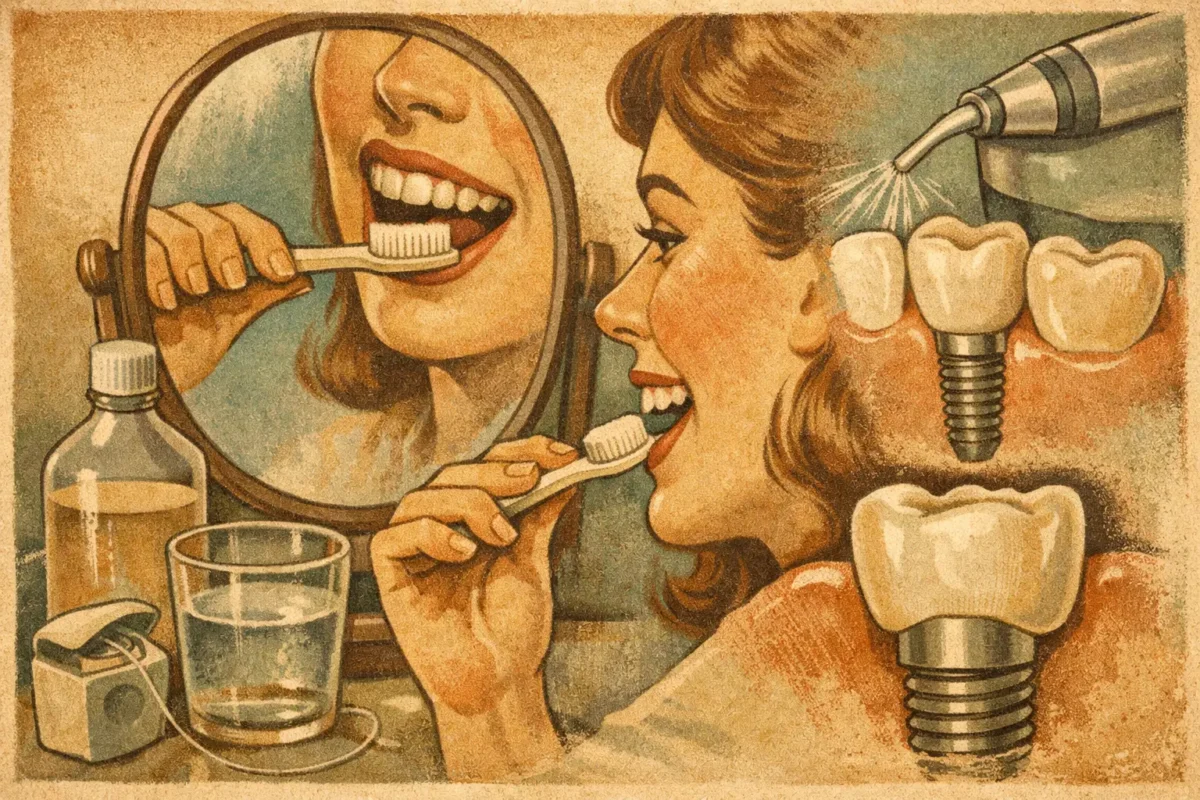
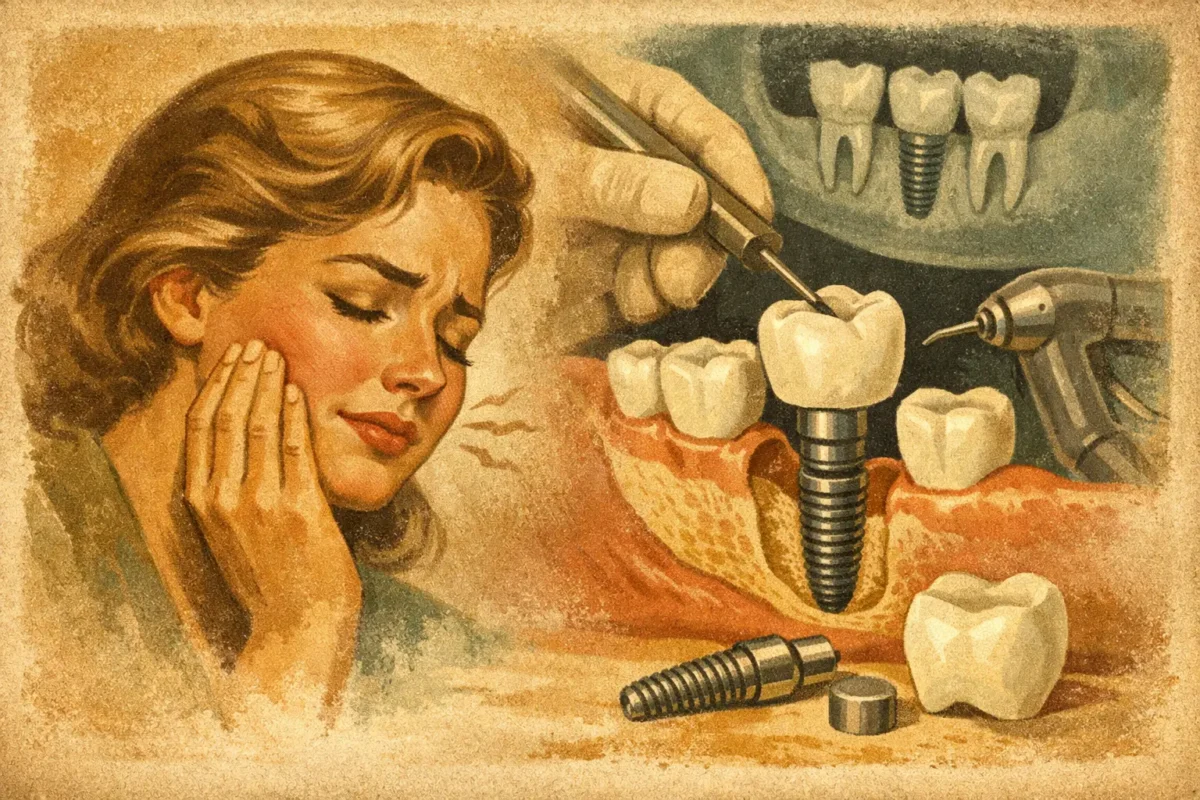
Dental implants are often considered the gold standard for replacing missing teeth. An implant acts like an artificial tooth root and is placed into the jawbone, then topped with a crown that looks and functions like a natural tooth.
For many adults, implants are the most comfortable and confident-feeling option because they stay fixed in place. You do not remove them at night, and you do not rely on neighboring teeth for support. They can also help preserve bone in the jaw, which is an important advantage after tooth loss.
That said, implants are not always the fastest route. Treatment can take several months, especially if bone grafting is needed first. They also tend to cost more upfront than bridges or dentures. Still, many patients prefer the long-term value because of their stability, appearance, and durability.
Implants may be a strong fit if you have healthy gums, enough bone support, and want a long-lasting solution that feels very close to your own teeth.
When implants may not be ideal
Implants are not the best fit for every patient. If you have significant bone loss, uncontrolled gum disease, certain medical conditions, or you want the quickest possible replacement, another option may make more sense. Smoking and poor oral hygiene can also affect healing and long-term success.
This does not automatically rule implants out, but it does mean proper planning matters. In many cases, preparatory treatment can improve eligibility.
Dental bridges: a fixed option with a shorter timeline
A dental bridge replaces one or more missing teeth by anchoring an artificial tooth to the natural teeth on either side of the gap. Because it is fixed in place, many patients like the convenience and natural appearance.
Bridges usually take less time than implants and may cost less upfront. They can work especially well when the teeth next to the gap already need crowns or support. For someone who wants a reliable, non-removable solution without surgery, a bridge can be very appealing.
The trade-off is that a traditional bridge usually requires reshaping the neighboring teeth. That means healthy tooth structure may need to be removed. Bridges also do not replace the tooth root, so they do not provide the same bone-preserving benefit as implants.
With good care, a bridge can serve you well for many years. It is simply important to understand both the convenience and the compromise before deciding.
Dentures: practical and affordable for multiple missing teeth
Dentures remain one of the most common solutions for missing teeth, especially when several or all teeth need to be replaced. Partial dentures fill in spaces when some natural teeth remain, while full dentures replace an entire arch.
Modern dentures can look much more natural than many people expect. They can improve facial support, chewing ability, and smile appearance, particularly for patients who have lived with multiple missing teeth for a long time.
Dentures are often more budget-friendly than implants, and they can usually be made in a shorter timeframe. For some patients, that accessibility is a major benefit.
Still, they do come with adjustment. Removable dentures may shift, rub, or feel bulky at first. Lower dentures can be less stable than upper ones, and some patients notice changes in taste, speech, or confidence when eating certain foods. Regular adjustments may also be needed as the shape of the gums and jaw changes over time.
Implant-supported dentures: more security, less movement
If you like the affordability of dentures but want more stability, implant-supported dentures are worth considering. These dentures attach to dental implants, giving them a more secure fit than traditional removable dentures.
This option can reduce slipping, improve chewing strength, and help patients feel more at ease when talking or laughing. It is often a very good solution for people missing many teeth who want better function but may not need or want a full set of individual implants.
The cost is higher than standard dentures, but often lower than replacing every missing tooth with a separate implant. For many patients, that balance makes sense.
Best options for missing teeth based on your situation
A single missing tooth often calls for either an implant or a bridge. If the neighboring teeth are healthy and you want to preserve them, an implant is usually the more conservative choice. If you want a quicker fixed option or the nearby teeth already need crowns, a bridge may be practical.
Several missing teeth in a row can often be replaced with a bridge, partial denture, or implant-supported solution. The right answer depends on the span of the gap, the health of the remaining teeth, and your priorities around comfort and maintenance.
If all or most teeth are missing, full dentures or implant-supported full-arch options are often the main paths forward. This is where detailed planning really matters, because the best result is not just about replacing teeth. It is about restoring facial support, bite function, and confidence in daily life.
Factors to think about before choosing
Appearance matters, but it should not be the only factor. A beautiful smile needs healthy support underneath. Your dentist should evaluate your gums, bone levels, bite alignment, and long-term oral health before recommending treatment.
Cost is another real consideration. The least expensive option at the beginning is not always the most cost-effective over time. Dentures may need more adjustments or replacements. Bridges may eventually need to be redone. Implants generally cost more upfront but can offer longer-term stability.
Comfort and maintenance also matter. Some patients strongly prefer fixed teeth that feel more like their own. Others are comfortable with removable options if it keeps treatment within budget. There is no wrong priority here, as long as you are making an informed decision.
Timing can also shape the plan. If a tooth was recently lost, early treatment may help preserve bone and simplify replacement. Waiting too long can sometimes narrow your options or increase the amount of treatment needed.
Why replacing missing teeth matters sooner rather than later
It is easy to delay treatment if the gap is not visible or painful. But missing teeth can lead to problems that build slowly. Nearby teeth may shift into the space, your bite can change, and chewing forces may become uneven. Over time, this can contribute to wear, jaw discomfort, and even more tooth loss.
Bone loss is another concern, especially after a tooth is removed and not replaced. The jawbone no longer receives the same stimulation, which can lead to shrinkage in that area. This can affect both appearance and future treatment options.
Replacing missing teeth is not just cosmetic. It supports your long-term oral health, function, and facial balance.
Getting the right treatment plan
The best treatment starts with a careful consultation, not a rushed recommendation. Good planning should include digital imaging, a full review of your oral health, and a conversation about your goals, comfort level, and budget. At Zyva Clinics, this kind of personalized approach helps patients choose with clarity and confidence rather than pressure.
If you are deciding among the best options for missing teeth, think about what you want your result to feel like in real life. Do you want the most natural function possible? The shortest treatment time? The most affordable path now, or the strongest long-term value?
A confident smile is not only about filling a gap. It is about choosing a solution that supports your health, fits your lifestyle, and helps you feel like yourself again. The next best step is a professional evaluation that turns your options into a plan you can feel good about.