
Laser Hair Removal vs Waxing: Which Wins?
May 12, 2026
Best Options for Missing Teeth Explained
May 16, 2026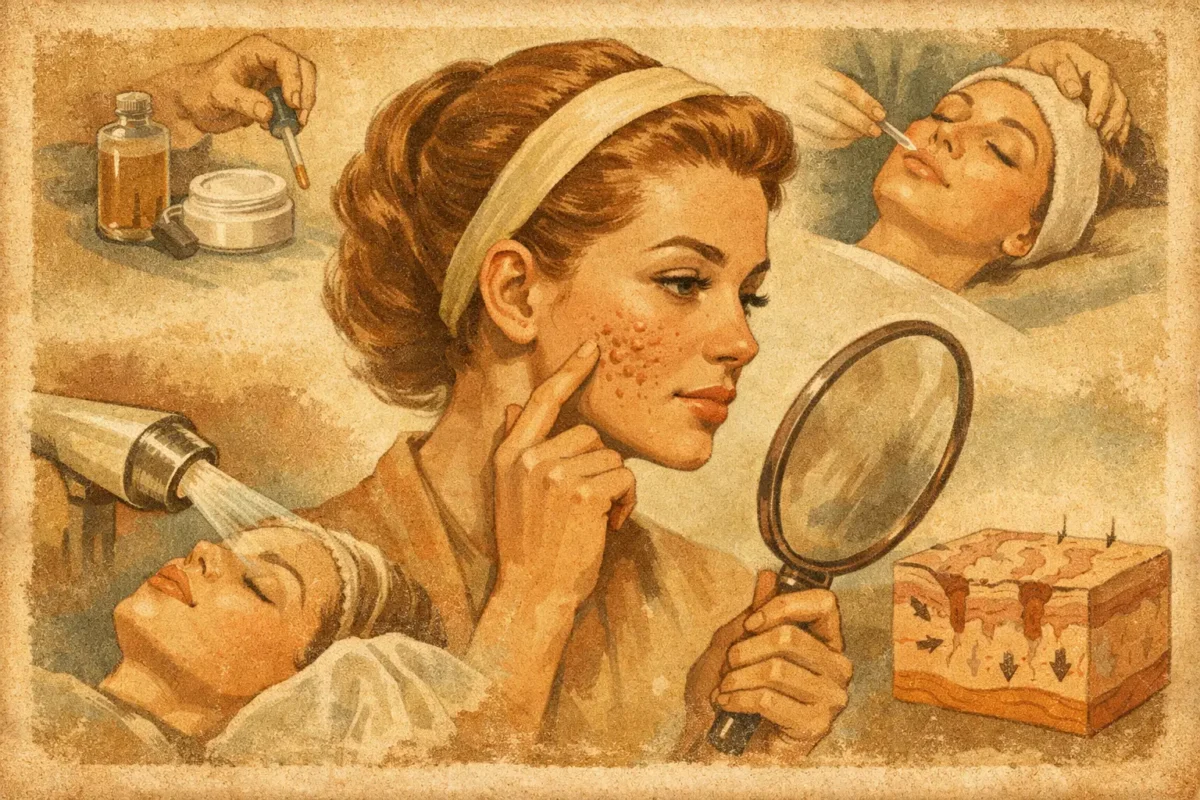
Acne may fade, but the marks it leaves behind can linger long after breakouts are under control. If you are wondering how to treat acne scars, the first thing to know is that not all scars are the same – and the right treatment depends on what your skin has actually been through.
Some people are dealing with dark marks that slowly fade on their own. Others have textured scars that catch the light, makeup that sits unevenly, or skin that feels rough no matter how many products they try. That difference matters, because treating discoloration is very different from treating a true scar.
How to treat acne scars starts with the right diagnosis
This is where many people lose time and money. They buy brightening serums for indented scars, or harsh exfoliants for skin that is already inflamed. A better approach starts with understanding what type of acne marks you have.
Post-inflammatory hyperpigmentation is not a scar in the strict medical sense. These are the brown, red, or purple marks left after a breakout heals. They can improve with time, sunscreen, and targeted skin care. True acne scars involve a change in skin texture. They may look like small pits, rolling dents, or raised areas, and they usually need more than topical products alone.
Atrophic scars are the most common. These include ice pick scars, which are narrow and deep, boxcar scars with sharper edges, and rolling scars that create uneven texture. Hypertrophic or raised scars are less common on the face but can happen, especially on the chest, shoulders, or jawline. Each type responds best to different treatments, so a personalized plan is always better than guessing.
What actually helps acne scars
If your goal is smoother skin, more even tone, and a boost in confidence, it helps to think in layers. Some treatments improve pigment. Others improve texture. Some do both, but gradually.
For discoloration, ingredients like retinoids, azelaic acid, niacinamide, and gentle chemical exfoliants can help support cell turnover and brighten leftover marks. Daily sunscreen is essential. Without it, dark marks tend to last longer and can become more stubborn. This is one of the simplest steps in how to treat acne scars at home, but it only works when used consistently.
For texture changes, home care has limits. Topical products can support skin health and improve the overall look of the skin, but they do not rebuild deeper structural changes on their own. If scars are indented or raised, in-clinic treatment usually gives more meaningful results.
That does not mean every scar needs an aggressive procedure. It means the treatment should match the scar type, skin tone, sensitivity level, and your schedule. Some people want steady improvement with little downtime. Others are comfortable with a stronger treatment plan if it means faster visible change.
Professional treatments for acne scars
Microneedling is one of the most widely used options for atrophic acne scars. It works by creating controlled micro-injuries in the skin to stimulate collagen production. Over time, this can improve skin texture and soften the look of shallow boxcar and rolling scars. Results are gradual, so most people need a series of sessions rather than a single treatment.
Chemical peels can help with post-acne marks and certain superficial scars. The strength and type of peel matter. A gentle peel may freshen dull skin and reduce pigmentation, while deeper peels can improve texture more noticeably but may involve more downtime and a higher risk of irritation if not selected carefully.
Laser treatments are another effective option, especially for texture and persistent discoloration. Some lasers target pigment, while others focus on resurfacing and collagen remodeling. This category can deliver excellent results, but it is not one-size-fits-all. Skin tone, scar depth, and healing history all matter when deciding whether laser treatment is the right fit.
Subcision is often recommended for rolling scars that appear tethered under the skin. This treatment releases the fibrous bands pulling the skin downward, allowing the area to lift and heal more evenly. It is often combined with other treatments for better overall improvement.
For deep ice pick scars, procedures such as TCA CROSS may be considered. This technique places a focused chemical solution into the scar to encourage remodeling. It can be very useful for the right scar type, but precision is important.
Raised scars may respond better to steroid injections, silicone-based care, or other scar-flattening treatments. Trying resurfacing alone on a raised scar is not always the right move. This is one of those moments where expert assessment really changes the outcome.
How long does it take to see results?
This is one of the most common concerns, and the honest answer is that it depends. Pigment can fade in a matter of weeks to months with good skin care and sun protection. Textured scars usually take longer. Collagen remodeling is a gradual process, and most in-clinic treatments work best as a series.
You may notice early changes in brightness or smoothness after the first session, but deeper scar improvement usually builds over time. It is better to expect steady progress than an overnight fix. The skin responds best when treatment is thoughtful, not rushed.
Mistakes that can make acne scars worse
One of the biggest mistakes is treating active acne and scarring as if they are separate issues when they are happening at the same time. If breakouts are still ongoing, new scars can form while you are trying to improve older ones. In many cases, the first step is getting acne under control before starting more intensive scar work.
Another common issue is over-exfoliating. Strong acids, scrubs, and repeated irritation can weaken the skin barrier, increase inflammation, and make discoloration more obvious. More treatment is not always better treatment.
Skipping sunscreen is another setback. UV exposure can deepen post-acne marks and slow visible improvement. Even excellent treatment plans can stall if the skin is not protected day to day.
There is also the temptation to try every trending product at once. That usually leads to irritation, confusion, or both. A clear plan tends to work better than a crowded shelf.
Choosing the right acne scar treatment for your skin
The best treatment is not the trendiest one. It is the one that fits your scar type, skin condition, comfort level, and goals.
If your main concern is dark marks after breakouts, a medical-grade skin care routine and sun protection may be enough to make a real difference. If your skin has visible indentations, a procedure-based plan is more realistic. If you have both pigment and texture, combination treatment may be the most effective approach.
Skin tone also matters. Some treatments carry a higher risk of post-inflammatory pigmentation in deeper skin tones if they are not selected and performed carefully. This does not mean treatment is off the table. It means personalization matters.
Downtime matters too. A professional with a busy schedule may prefer a gradual plan with minimal recovery, while someone preparing for a wedding or major event may want to plan treatments around a longer timeline. Good care is not just about what works on paper. It is about what works in real life.
When to see a professional
If you have tried products for months and your skin texture has not changed, it is a good time to seek professional guidance. The same goes for scars that affect your confidence, scars that seem to be getting more noticeable, or acne that is still actively causing new marks.
A consultation can help clarify what is actually treatable, what kind of results are realistic, and how many sessions you may need. That clarity is valuable. It helps you avoid trial and error and move toward treatment with more confidence.
At a clinic that understands both skin health and appearance, the goal is not just to perform a treatment. It is to build a plan that feels safe, comfortable, and worth your time. At Zyva Clinics, that patient-first approach matters because visible results are only part of the experience. Feeling supported through the process matters too.
If acne scars have been bothering you for a while, you do not need to keep guessing. The right care plan can improve your skin gradually, naturally, and in a way that helps you feel more comfortable every time you look in the mirror.