
Is Teeth Polishing the Same as Whitening?
April 28, 2026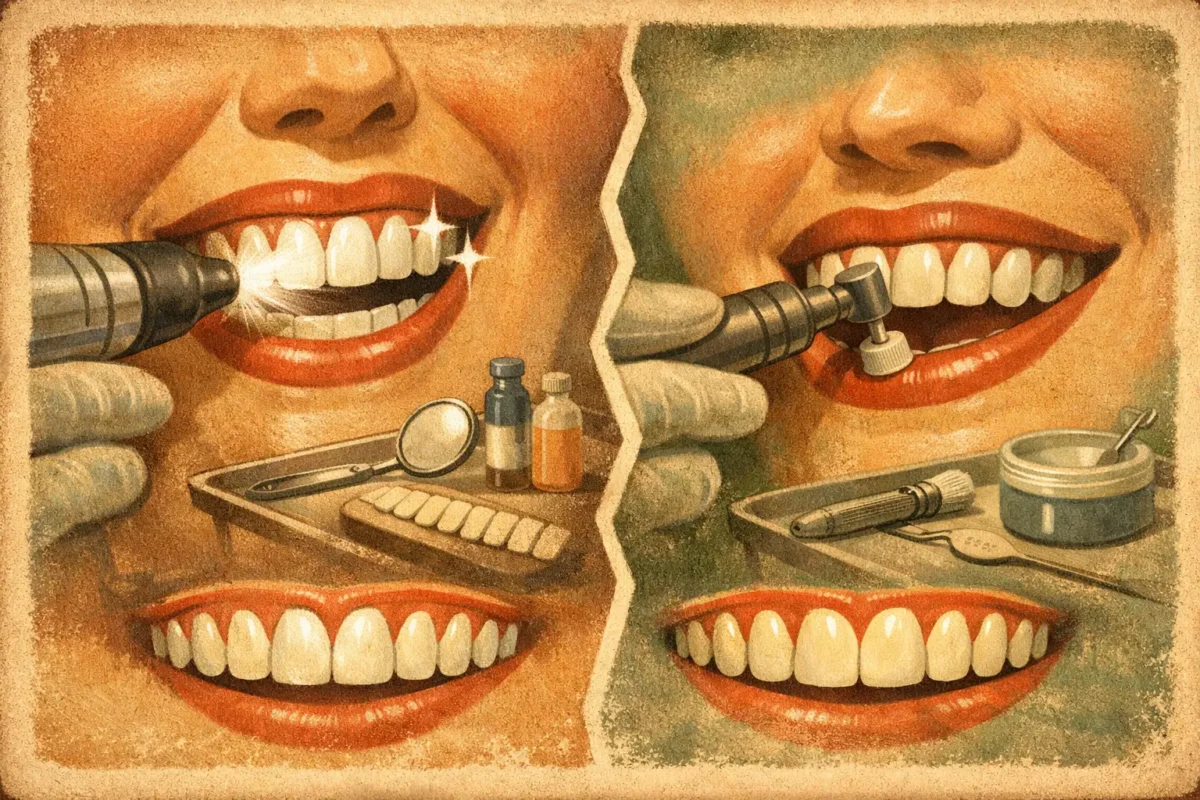
You look in the mirror before work, notice your teeth seem a little dull, and start wondering whether you need whitening, polishing, or both. That is where the teeth whitening and polishing difference really matters. These treatments are often mentioned together, but they do not do the same job, and choosing the right one can make a real difference in your results, comfort, and long-term smile care.
At a glance, polishing is mainly about removing surface buildup and stains to make teeth look cleaner and smoother. Whitening is designed to lighten the actual shade of your teeth. One refreshes the outside. The other changes the color more noticeably. For many patients, understanding that simple distinction helps them avoid unrealistic expectations and choose treatment with more confidence.
What is the teeth whitening and polishing difference?
The easiest way to understand the teeth whitening and polishing difference is to think about what each treatment is targeting.
Dental polishing focuses on the outer surface of the teeth. During a professional polishing appointment, your dental team removes plaque, minor surface stains, and residue that can collect from coffee, tea, red wine, tobacco, or everyday eating. Afterward, teeth often feel smooth and look cleaner and brighter, but polishing does not usually change the natural underlying color of the teeth.
Teeth whitening goes a step further. It uses whitening agents to break down stain compounds within the tooth structure and lighten the overall shade. This is the treatment people usually mean when they want a visibly whiter smile rather than simply a cleaner one.
That is why someone can leave a polishing session saying, “My teeth feel great,” while someone leaving a whitening treatment is more likely to say, “My teeth look several shades brighter.” Both reactions are valid. They just come from different results.
What polishing does well
Polishing is often underestimated because it sounds simple, but it has real value. If your teeth are stained on the surface, a polish can make a noticeable improvement in a short appointment. It is especially useful for patients whose teeth are not deeply discolored but have become dull from daily habits.
A professional polish can also improve how your teeth feel. When stain and buildup are removed, the enamel surface feels smoother and cleaner. Many patients love this part just as much as the visual result.
Polishing is also commonly paired with routine dental cleaning. In that setting, it supports oral hygiene as well as appearance. For patients who want a fresh, maintained smile without changing the shade dramatically, polishing may be exactly what they need.
Still, there is a limit. If your teeth are naturally darker, or if discoloration has moved beyond surface stain, polishing alone will not deliver the bright white result you may have in mind.
What whitening does well
Whitening is the better fit when the goal is a lighter tooth color. It is designed for people who want to reduce yellowing, age-related darkening, or deeper staining that brushing and polishing cannot fully remove.
Professional whitening can be a strong option for special events, career confidence, or simply feeling better about your smile in everyday life. It is one of the most requested cosmetic dental treatments for a reason. A brighter smile often looks healthier, more youthful, and more polished overall.
That said, whitening is not one-size-fits-all. Results can vary depending on the starting shade of your teeth, the type of staining present, enamel condition, and whether you have crowns, veneers, or fillings in visible areas. Restorations do not whiten the same way natural teeth do, so treatment planning matters.
Some patients also experience temporary sensitivity after whitening. This is common and usually manageable, but it is part of the decision. A professional consultation helps determine whether whitening is appropriate and how to do it comfortably.
Teeth whitening vs polishing: which one do you need?
When patients ask about teeth whitening vs polishing, the answer usually comes down to their main concern.
If your teeth are healthy but look stained from coffee, tea, or smoking, and you mainly want a cleaner, fresher appearance, polishing may be enough. If your teeth look yellow overall and you want a noticeably lighter shade, whitening is the stronger option.
Sometimes, the best answer is both. A professional cleaning and polishing can remove surface buildup first, creating a cleaner base before whitening treatment. This can help your results look more even and give your dental team a clearer view of your natural tooth shade.
There are also cases where neither treatment should be the first step. If you have gum inflammation, tooth decay, worn enamel, or untreated sensitivity, your dentist may recommend addressing oral health issues before cosmetic treatment. A healthy foundation always comes first.
Why the confusion happens
It is easy to see why these treatments get mixed up. After polishing, teeth can look brighter because surface stains are gone. That visible improvement leads some people to assume polishing and whitening are basically the same thing.
They are not. Polishing can reveal a cleaner version of your current tooth color. Whitening aims to create a lighter version of it.
Another reason for confusion is marketing language. Some products and beauty conversations use words like “brightening,” “cleaning,” and “whitening” almost interchangeably. In a clinical setting, those differences matter. Clear expectations are one of the biggest parts of patient satisfaction.
What kind of stains respond best to each treatment?
Surface stains, also called extrinsic stains, usually respond best to polishing. These stains sit on the outside of the enamel and are often linked to dark beverages, certain foods, and tobacco use.
Deeper stains, sometimes called intrinsic stains, are more likely to need whitening or another cosmetic approach. These can develop from aging, certain medications, trauma, or internal discoloration within the tooth. Whitening may help in many of these cases, but not always to the same degree.
This is where a professional evaluation becomes valuable. Two people may both say, “My teeth are stained,” while needing very different treatments.
Safety and comfort matter
Any cosmetic dental treatment should be done with your oral health in mind. Professional polishing is generally very safe when done appropriately, but it should not be overused unnecessarily. Whitening should also be tailored to your teeth, especially if you have sensitivity, dental restorations, or gum concerns.
A patient-centered clinic will not just ask how white you want your teeth. It will ask about your dental history, habits, current sensitivity, and the look you want to achieve. That kind of planning helps protect your comfort and gives you a result that looks natural, not forced.
For many adults, convenience matters too. If you already care about both your appearance and long-term health, having expert guidance in one place makes the process feel much easier. At Zyva Clinics, this kind of personalized planning is part of creating a smile that feels healthy, confident, and truly yours.
How long do results last?
Polishing results can fade fairly quickly if staining habits continue, although regular hygiene visits help maintain that clean feel and appearance. Whitening results usually last longer, but they are not permanent either. Coffee, tea, red wine, smoking, and inconsistent oral care can gradually reduce brightness over time.
Maintenance depends on your habits, enamel condition, and the treatment used. Some patients benefit from occasional touch-ups. Others do well with routine cleanings and small lifestyle adjustments. The key is not chasing a one-time perfect result. It is building a smile care plan that fits real life.
A good treatment plan is personal
The best cosmetic dentistry is not about choosing the most dramatic option. It is about choosing the right one for your teeth, your goals, and your comfort level.
If you want cleaner teeth and a fresher finish, polishing may be enough. If you want a whiter smile and a more visible color change, whitening is usually the better path. And if you are not sure, that is completely normal. Most patients are not expected to know the clinical difference before they walk in.
What matters is getting honest guidance, safe treatment, and results that make you feel more confident every time you smile. A brighter smile should never feel confusing or rushed. With the right care, it can feel simple, comfortable, and well worth it.