Does Teeth Polishing Whiten Teeth?
April 29, 2026
Teeth Whitening and Polishing Price Guide
May 1, 2026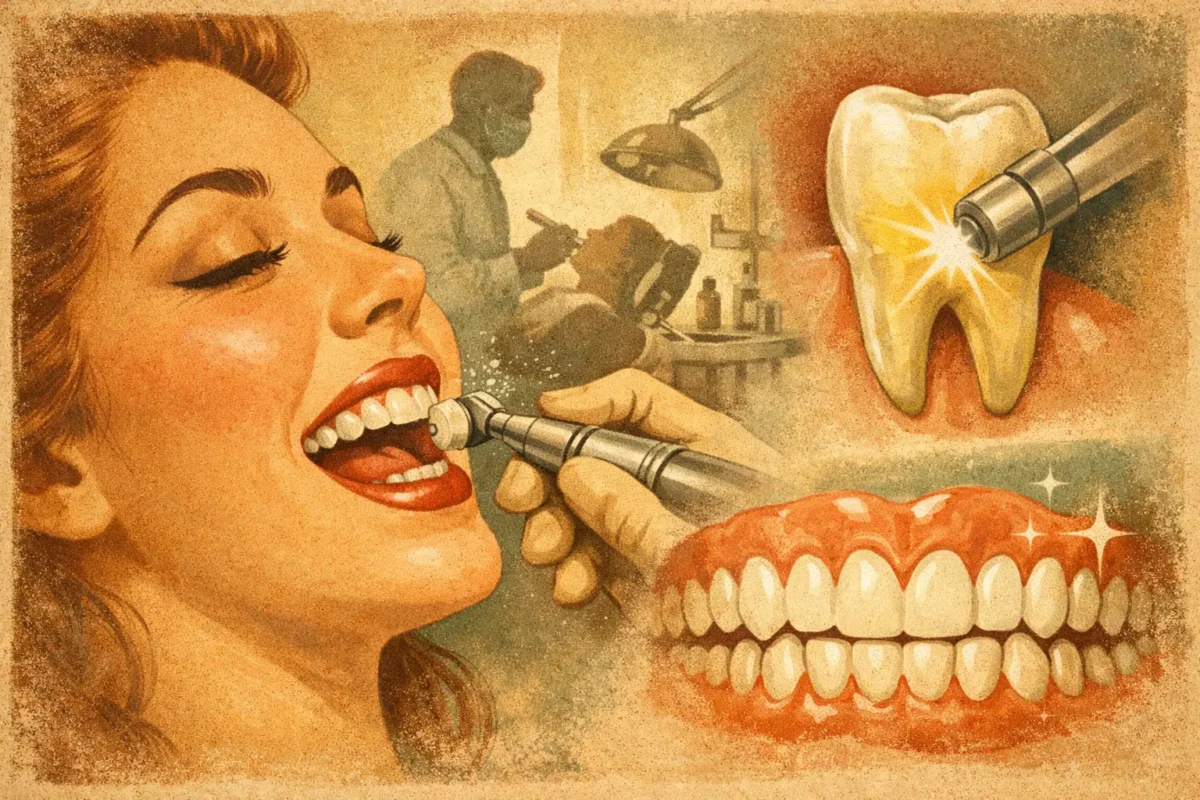
A brighter smile can make you look more refreshed even when nothing else has changed. If you have noticed stains from coffee, tea, smoking, or simply the natural dulling that happens over time, you may be wondering what is teeth whitening and polishing and whether they are the same thing. They are often paired together, but they do different jobs, and understanding that difference can help you choose the right care for your smile.
At a glance, teeth whitening is designed to lighten the shade of your teeth, while polishing focuses on removing surface buildup and smoothing the tooth surface so your smile looks cleaner and feels fresher. Both can improve appearance, but the best option depends on what is causing the discoloration in the first place.
What is teeth whitening and polishing in dental care?
Teeth whitening is a cosmetic dental treatment that uses safe whitening agents to break down stains within the enamel and dentin. This is what changes the actual shade of the teeth. Professional whitening is commonly used for yellowing caused by age, food, drinks, and certain lifestyle habits.
Teeth polishing, on the other hand, is usually performed after a dental cleaning or as part of a cosmetic refresh. It uses a polishing paste and specialized tools to remove soft plaque, minor external stains, and the rough feeling that can build up on the tooth surface. Polishing does not bleach the teeth or dramatically change their natural color, but it can make them look noticeably brighter by clearing away surface discoloration.
That distinction matters. If your teeth look dull because of surface stains, polishing may give you a visible improvement. If the color change is deeper or more widespread, whitening is usually the treatment that delivers the result you are looking for.
How teeth whitening works
Professional teeth whitening typically uses peroxide-based gels. These ingredients release oxygen molecules that penetrate the tooth and break apart stain compounds. As those compounds become smaller, the teeth appear lighter.
This is why whitening can do more than a routine cleaning. It targets discoloration that sits below the surface, not just what can be polished away. Depending on the condition of your teeth and the system used, treatment may be done in the clinic, with custom take-home trays, or with a combination of both.
In-office whitening is popular because it is controlled by a dental professional and often produces faster results. Your gums and soft tissues are protected, the whitening gel is applied carefully, and the shade is monitored during the visit. For patients who want a safer, more tailored approach than over-the-counter products, this is often the most comfortable and predictable option.
Still, whitening is not one-size-fits-all. Some stains respond better than others. Yellow tones often lift more easily than gray or brown discoloration, and restorations such as crowns, veneers, and fillings do not whiten the way natural teeth do. That is why a consultation matters before treatment begins.
What teeth polishing does for your smile
Polishing is less about changing the internal color of the teeth and more about refining the surface. During treatment, a dental professional removes light external stains and smooths the enamel so teeth look cleaner and feel slicker.
This can make a real visual difference, especially if your teeth pick up stains from coffee, red wine, tea, or tobacco. It can also help your mouth feel fresher because the polished surface is less likely to hold onto soft debris right away.
That said, polishing has limits. It will not turn naturally darker teeth into a much lighter shade, and it will not correct deep staining caused by aging, medications, or trauma. Patients sometimes expect polishing to work like whitening, and that is where confusion happens. The treatment is valuable, but it is not a substitute for bleaching when true shade change is the goal.
Whitening vs polishing: which one do you need?
If you are trying to decide between the two, the answer usually comes down to the type of discoloration and the result you want. If your teeth are generally healthy but look a bit stained from daily habits, polishing may be enough to restore a cleaner appearance. If you want your teeth to look several shades lighter, whitening is the treatment that addresses that concern.
Many patients benefit from both. A professional cleaning and polish can remove surface buildup first, which creates a better starting point for whitening. Once the teeth are clean, the whitening process tends to be more even and the final result more noticeable.
This is one reason a personalized treatment plan matters. Rather than guessing based on online photos or store-bought kits, an exam can help identify whether the issue is surface stain, internal discoloration, tartar buildup, enamel wear, or something else entirely.
Who is a good candidate for teeth whitening and polishing?
Most healthy adults with natural teeth can be considered for these treatments, but suitability depends on oral health first. If you have cavities, gum inflammation, exposed roots, or untreated sensitivity, those issues should usually be addressed before cosmetic whitening.
Polishing is often appropriate as part of preventive dental care, especially for patients who are keeping up with regular cleanings. Whitening is best for patients who want a brighter smile and understand that results vary based on tooth condition, habits, and existing dental work.
Pregnant patients, people with severe enamel erosion, and those with certain types of intrinsic staining may need a different approach. If you have veneers or crowns on front teeth, your dentist should also discuss how whitening may affect color matching. Honest guidance is important here because the safest treatment is not always the most aggressive one.
What to expect during treatment
A whitening appointment usually begins with a shade assessment and a quick review of your dental health. The lips and gums are protected, the whitening gel is applied to the teeth, and the product is left on for a controlled period of time. Some systems use a light to support the process, while others do not. After treatment, your teeth are rinsed and the new shade is checked.
Polishing is simpler and shorter. After any necessary cleaning, a polishing cup or brush with a mildly abrasive paste is used to remove light stains and smooth the enamel surface. The process is generally comfortable and can leave your teeth feeling noticeably cleaner right away.
Some patients have only polishing during a routine visit. Others choose polishing before whitening as part of a smile-refresh plan. At Zyva Clinics, this kind of personalized approach fits well with patients who want dental care to feel both practical and confidence-building.
Are teeth whitening and polishing safe?
When performed by trained dental professionals, both treatments are considered safe for suitable candidates. The key is proper assessment, quality materials, and attention to comfort.
Whitening can cause temporary sensitivity in some patients, especially if the teeth are already prone to sensitivity. This usually fades within a short period, but it should still be discussed before treatment so the plan can be adjusted if needed. Polishing is also safe when used appropriately, though it should not be overdone or treated like a cosmetic shortcut at every visit.
This is where professional care makes a difference. It is not just about making teeth look brighter. It is about protecting enamel, checking gum health, and choosing the right method for your smile rather than the fastest trend.
How long do results last?
Polishing results are immediate, but surface stains can return if the habits causing them continue. Whitening can last months or longer depending on your diet, smoking status, oral hygiene, and whether you keep up with maintenance.
Coffee, tea, dark sodas, red wine, and tobacco all tend to shorten the life of whitening results. Good brushing, flossing, regular cleanings, and occasional touch-ups help keep your smile brighter for longer. Using a straw for dark drinks and rinsing with water afterward can also help reduce new staining.
The trade-off is simple. The more staining habits you keep, the more maintenance you may need. That does not mean whitening is not worth it. It just means the best results come from treatment plus sensible aftercare.
The value of a professional consultation
If you have been thinking about improving your smile, knowing what is teeth whitening and polishing gives you a better starting point. Whitening changes tooth shade. Polishing removes surface stain and refines the finish. They work differently, and the right choice depends on your teeth, your goals, and your oral health.
The most satisfying results usually come from care that is tailored to you, not copied from someone else. A professional consultation can show you what is realistic, what will look natural, and what will help you feel more confident every time you smile. Sometimes the smallest refresh is enough to make a big difference.