
Is Laser Hair Removal Safe? What to Know
May 30, 2026
Dental Implants for Missing Teeth Explained
June 3, 2026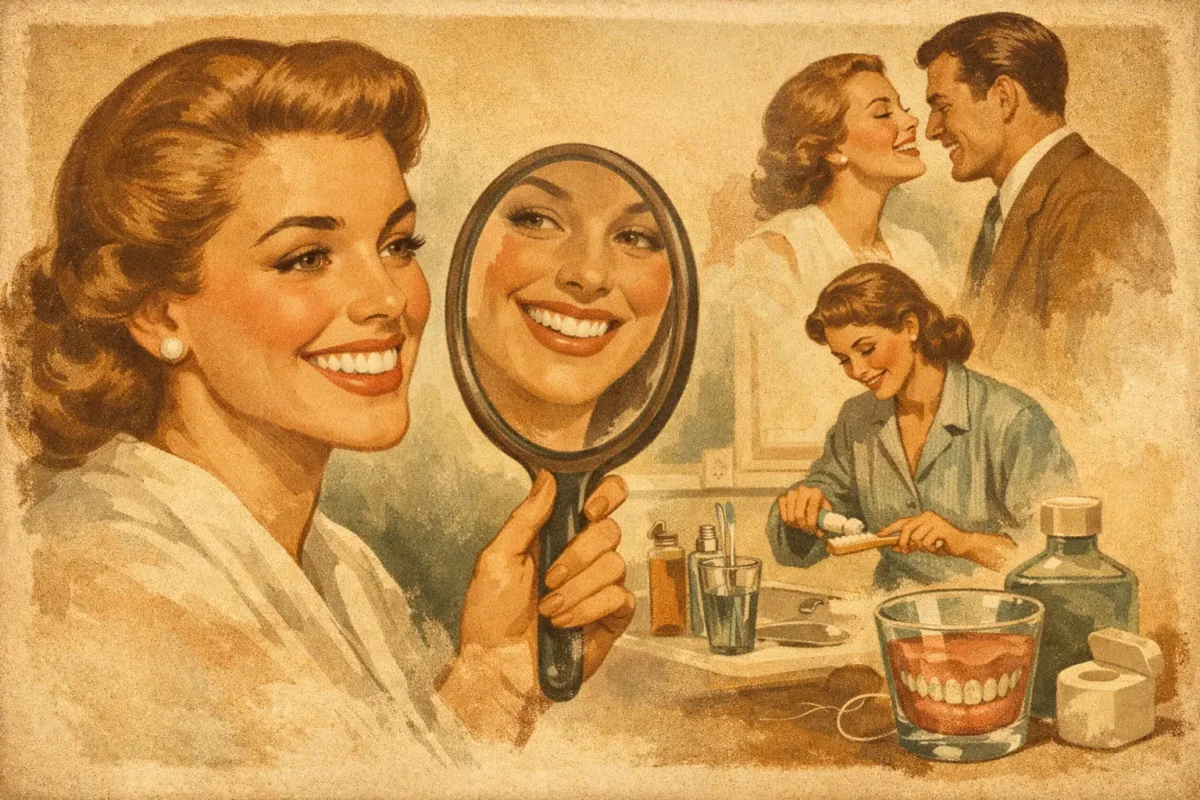
A smile makeover can change more than your reflection. It can make work meetings feel easier, photos feel less stressful, and everyday conversations feel more natural. Once you have invested in treatment, learning how to maintain a smile makeover becomes the next step in protecting those results for the long term.
The good news is that maintenance is usually simple when you know what your specific smile includes. Veneers, crowns, whitening, implants, bonding, and aligner-based corrections all improve a smile in different ways, and each one needs slightly different care. The goal is not to treat every makeover the same. It is to build habits that keep your teeth healthy, your restorations looking natural, and your confidence intact.
How to maintain a smile makeover starts with daily habits
The most important part of long-term care happens at home. A consistent oral hygiene routine helps prevent staining, gum inflammation, decay around restorations, and wear that can shorten the life of cosmetic work.
Brush at least twice a day with a soft-bristled toothbrush and a non-abrasive toothpaste. This matters more than many patients realize. Whitening toothpastes and harsh stain-removing formulas can be too rough for veneers, bonding, or polished surfaces. They may not ruin your smile overnight, but over time they can dull the finish and contribute to uneven wear.
Flossing is just as important. Even the most beautiful cosmetic result can lose its appeal if the gums become swollen or if plaque builds up between teeth. If you have implants, bridges, or areas that are harder to clean, your dentist may suggest floss threaders, interdental brushes, or a water flosser. The right tool depends on your treatment plan and your mouth, not just general advice found online.
A simple mouthwash can also help, especially if you are prone to plaque buildup or gum irritation. Alcohol-free formulas are often a comfortable choice for patients with dry mouth or sensitive tissues. If you grind your teeth, wear your night guard as instructed. This one habit can make a major difference in protecting veneers, bonding, crowns, and even natural enamel.
Food and drink choices make a visible difference
One of the fastest ways to shorten the fresh look of a smile makeover is to ignore what causes staining and wear. Coffee, tea, red wine, dark sodas, and tobacco are common culprits. That does not mean you have to give up every favorite. It means being realistic about the effect they have.
If your smile makeover included whitening, these habits matter even more because natural teeth can pick up stains again over time. Veneers and crowns are generally more stain-resistant than natural enamel, but the surrounding teeth may darken and create an uneven look. In other words, maintenance is not only about protecting restorations. It is also about preserving color balance across your whole smile.
Drinking staining beverages through a straw, rinsing with water afterward, and avoiding long sipping sessions can help. Crunchy fruits and vegetables can support oral cleanliness between brushing, while sugary snacks and acidic drinks increase the risk of decay and enamel erosion. If your makeover involved bonding, chipping is another concern, so biting directly into hard foods, chewing ice, or opening packages with your teeth is best avoided.
Protect the health behind the cosmetics
A smile makeover looks cosmetic on the surface, but its success always depends on oral health underneath. Gum disease, untreated cavities, and bite problems can affect how long your results last. That is why patients who do best over time are usually the ones who think beyond appearance and stay committed to preventive care.
Healthy gums frame the teeth and support the entire smile. If your gums bleed when you brush, feel tender, or look puffy, do not wait for a routine cleaning to mention it. Early intervention can prevent small problems from becoming bigger ones. The same goes for sensitivity, bad breath, jaw tension, or a change in the way your teeth come together.
This is especially true if your makeover included implants, crowns, or orthodontic correction. Implants need healthy surrounding tissue. Crowns need clean margins and stable bite pressure. Straightened teeth can shift if retainers are not worn as directed. A beautiful result stays beautiful longer when the foundation is protected.
Professional maintenance keeps your smile consistent
Home care is essential, but it does not replace routine checkups and cleanings. Professional maintenance appointments help your dental team spot early wear, polish surfaces safely, and monitor the condition of both natural teeth and cosmetic restorations.
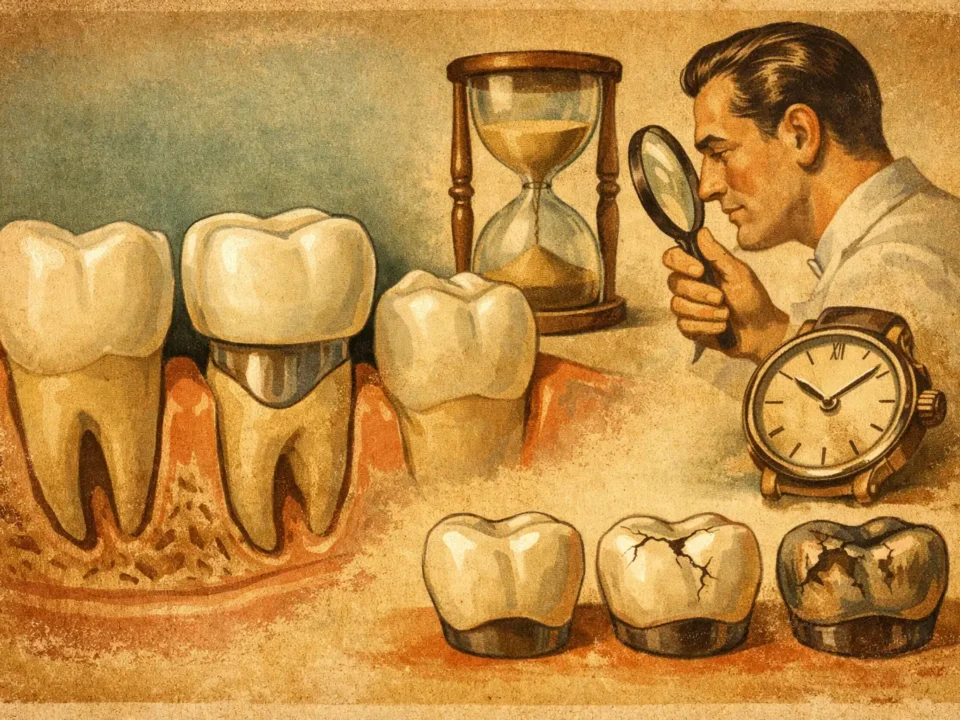
If you are wondering how to maintain a smile makeover for years instead of months, this is one of the most important answers. Regular visits allow small adjustments before they become expensive repairs. A rough edge on bonding, a tiny stain line around a veneer, or bite pressure on a crown may seem minor at first, but catching it early helps protect your investment.
The right maintenance schedule depends on your treatment and risk factors. Some patients do well with standard six-month visits. Others benefit from more frequent hygiene appointments, especially if they have a history of gum disease, heavy staining, dry mouth, or complex restorative work. It depends on your oral health, habits, and the materials used in your makeover.
Professional whitening touch-ups may also be part of the plan if your smile includes natural teeth that were whitened during treatment. This is normal. Whitening is not permanent, and expecting it to last forever often leads to disappointment. Planned refreshes are a smarter, more controlled way to maintain brightness.
Know what your smile makeover includes
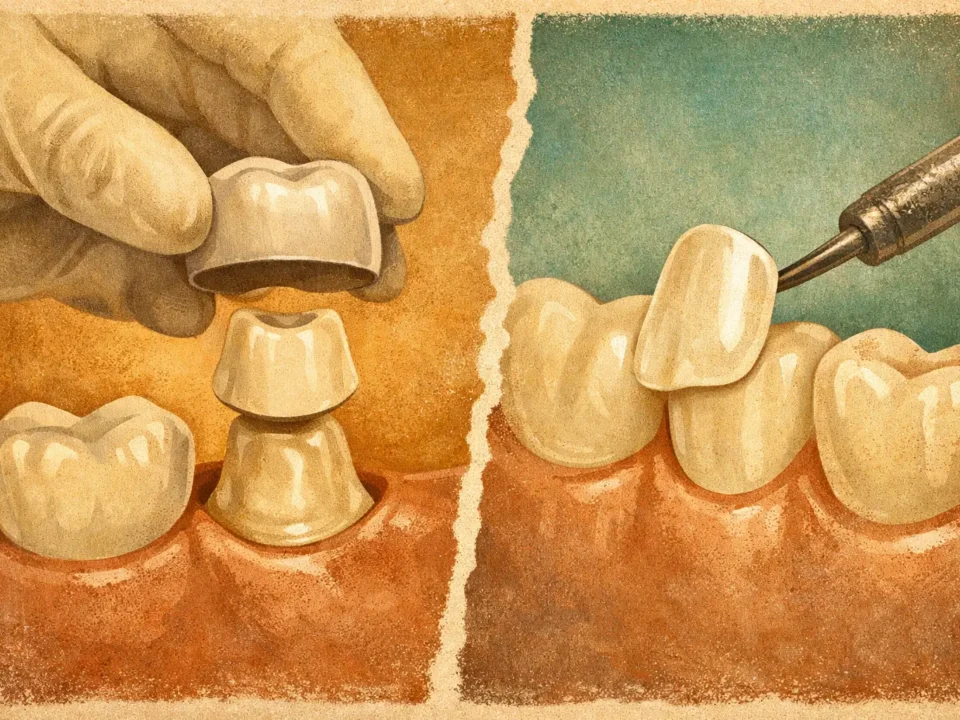
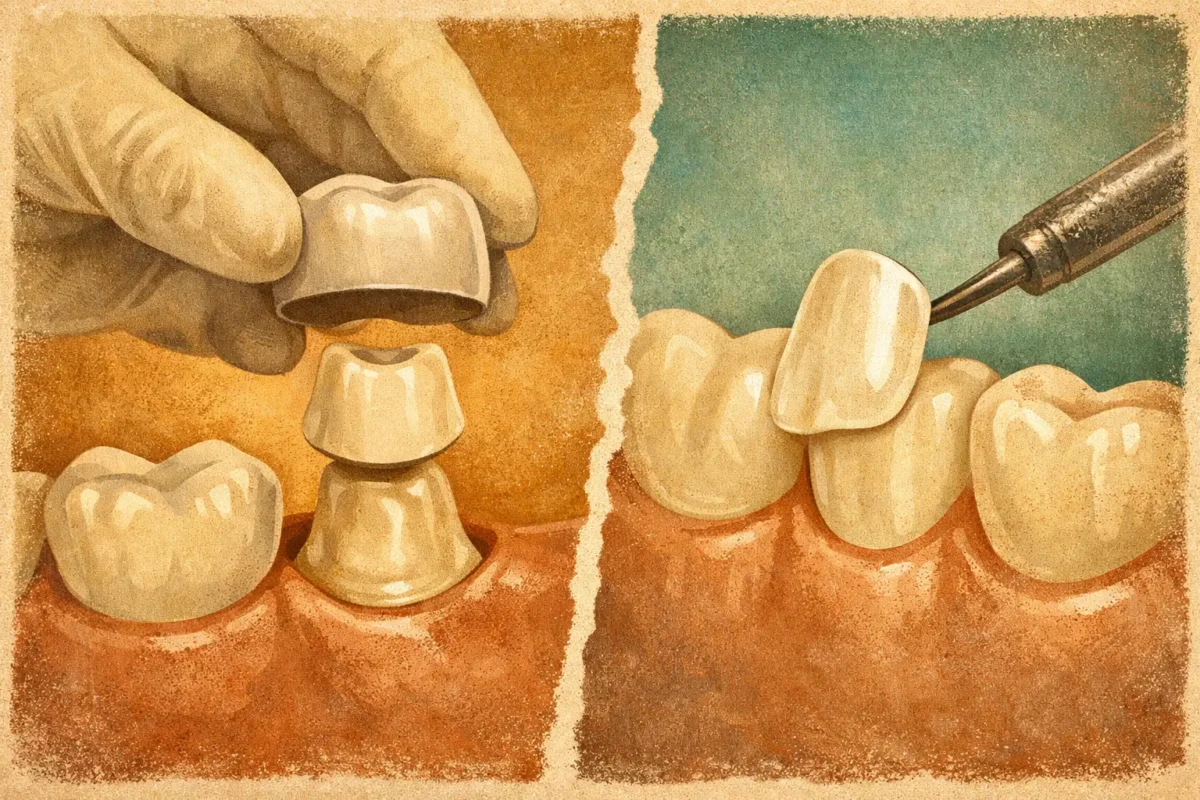
The phrase smile makeover can describe many different combinations of treatment. That is why generic advice only goes so far. Veneers need protection from grinding and chipping. Bonding may require occasional touch-ups because it can stain or wear faster than porcelain. Crowns are durable but still need excellent hygiene at the gumline. Implants cannot get cavities, but the surrounding tissues can still become inflamed without proper cleaning.
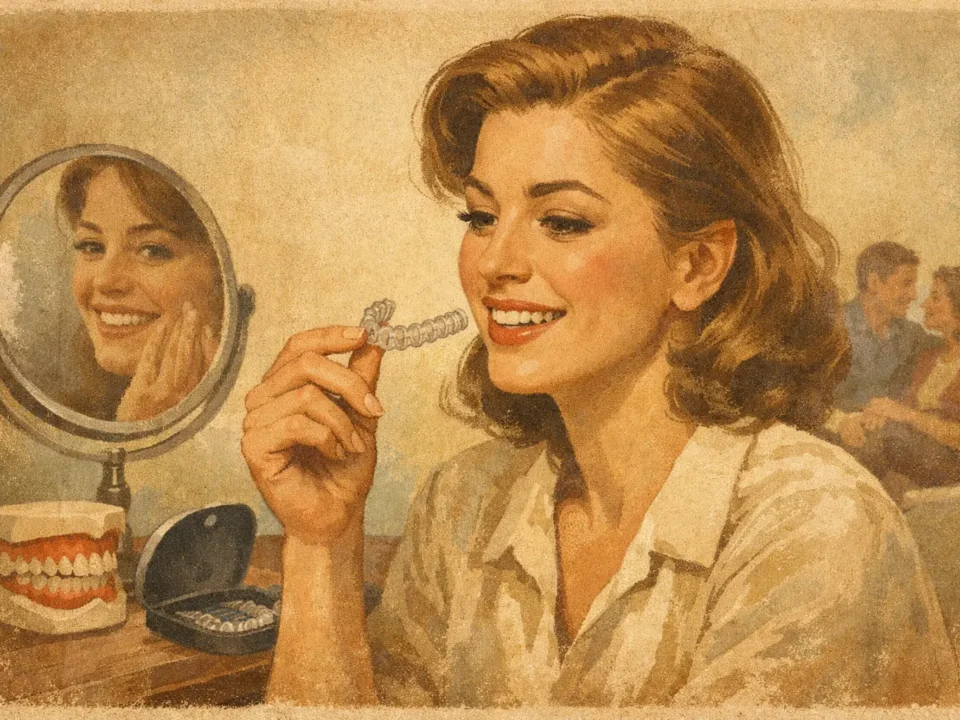
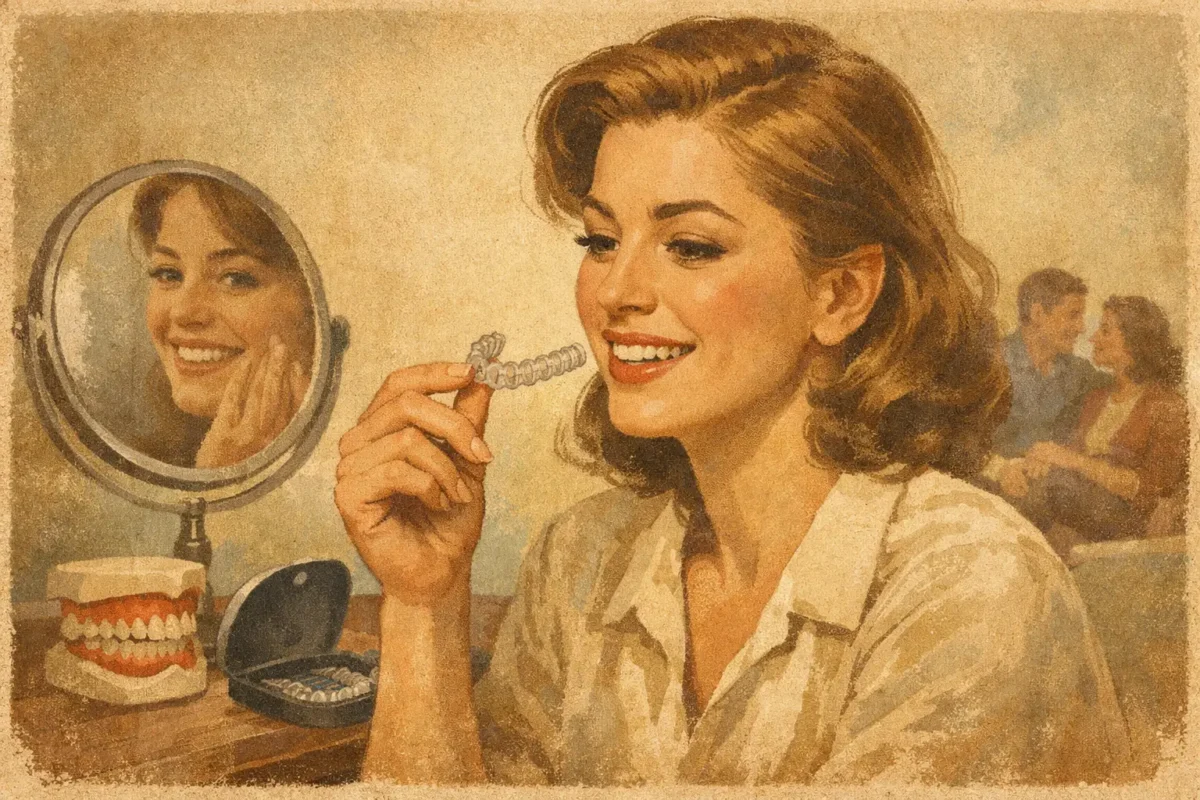
If your makeover included clear aligners or braces before the cosmetic phase, retainer wear is non-negotiable. Teeth naturally want to shift, especially in the months after active movement. Skipping retainers can slowly change spacing and alignment, which affects both function and appearance.
If you are not sure what maintenance your materials require, ask for a written care plan. Clear instructions are part of quality care, and they make it easier to protect your results with confidence.
Lifestyle habits can quietly damage your results
Some of the biggest threats to a smile makeover are not dramatic. They are repetitive, everyday habits that patients barely notice. Clenching during stress, chewing pens, nail biting, smoking, and frequent acidic snacking can all shorten the life of cosmetic and restorative work.
Dry mouth is another issue that is often overlooked. Saliva helps protect teeth and gums, neutralize acids, and reduce plaque buildup. If you take medications that cause dry mouth or you breathe through your mouth at night, tell your dental provider. You may need extra support to keep your smile healthy.
Even skincare and beauty habits can play a small role. Lipsticks with strong blue or warm undertones can make teeth appear brighter or more yellow, and dehydration from long workdays, travel, or caffeine-heavy routines can affect overall oral comfort. For many adults, maintaining a smile makeover is really about maintaining a healthy routine that supports both appearance and wellness.
At a clinic like Zyva Clinics, where dental care and aesthetics are approached together, that bigger picture matters. Confidence tends to last longer when care feels connected, personalized, and easy to keep up with.
When to call your dentist sooner
Do not wait for your next scheduled visit if something changes. If a veneer feels loose, a crown feels high, bonding chips, an implant area becomes sore, or your gums start pulling away from the teeth, it is worth getting checked promptly. The same goes for sudden staining, persistent bad breath, or a retainer that no longer fits.
Many maintenance issues are simple when handled early. Waiting usually makes them more complicated and more expensive. If something feels off, trust that instinct.
A smile makeover is not a one-time finish line. It is ongoing care for something that supports how you look, feel, and show up every day. Treat it like part of your self-care routine, stay consistent with the basics, and let your dental team help you protect the results you worked for.